

Maddy summaryThis concurrent resolution (HCONRES 69) commemorates the 15th anniversary of the January 8, 2011, Tucson shooting that killed six people and injured 13, including former Congresswoman Gabby Giffords. It honors the victims, survivors, and Giffords - now a prominent advocate for gun violence prevention - and recognizes her leadership in promoting civility and reducing gun violence. The resolution also commends Tucson residents and first responders for their resilience and reaffirms Congress’s commitment to respectful dialogue and opposing political violence. As a ceremonial resolution, it does not create new laws or policies.
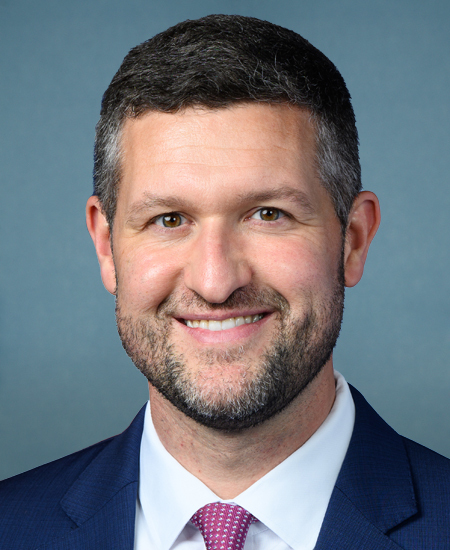
Rep. Patrick Ryan
Sponsored bills
Maddy summaryHR 6964 amends the National Security Act of 1947 to require the National Security Strategy to include "strategies and capabilities needed to ensure the safety and security of schools" at all levels - elementary, secondary, and colleges. It mandates a joint assessment by the Education and Homeland Security Secretaries of threats to these schools, including consultation with state leaders, and requires a report to Congress within 180 days of enactment. The bill directly affects all public and private elementary, secondary, and higher education institutions across the United States. This legislation shifts school safety into the formal national security framework without altering existing funding or operational procedures.
Maddy summaryThis bill prohibits the use of federal funds for any military action against Venezuela from its enactment date through December 31, 2026, unless Congress either declares war or passes new specific authorization meeting War Powers Resolution standards. It directly affects all federal agencies and military operations that would require funding for actions targeting Venezuela. The key mechanism blocks funding for military force unless Congress explicitly authorizes it through one of two specific pathways. A narrow exception allows actions already compliant with existing War Powers Resolution rules. This is a funding restriction, not a ban on military action itself.
Maddy summaryHR 4611 (EACH Act of 2025) requires all federally funded health programs - including Medicaid, Medicare, military health plans, and the Indian Health Service - to cover abortion services without restrictions, repealing the Hyde Amendment's long-standing ban on federal funding for most abortions. This directly affects millions of people enrolled in these programs, particularly low-income women, women of color (including 25% of Black women and 22% of Hispanic women on Medicaid), and young people. The bill mandates coverage in all federally administered health plans and prohibits state or private insurers from restricting abortion coverage in health insurance. It aims to eliminate current federal and state barriers that deny abortion access to people who rely on government health programs.
Maddy summaryHR 1404, the CHAMPVA Children’s Care Protection Act of 2025, expands healthcare eligibility under the CHAMPVA program for children of veterans. It increases the maximum age for children to receive medical benefits from 21 to 26 years old, regardless of marital status. This change directly affects dependent children of veterans who were previously eligible until age 21, extending coverage through their mid-twenties. The policy amendment applies to medical care provided on or after the bill’s enactment date.
Maddy summaryHR 6859, the HOTDOG Act, requires the Federal Trade Commission (FTC) to study concession pricing at venues that received public funding (like tax credits or bonds) and host events 5+ days yearly. The study will compare food and drink prices inside these venues to nearby community prices, examine pricing practices like dynamic pricing, and assess how well venues disclose prices before purchase. The FTC must complete this study within 90 days and submit a report with findings and recommendations to Congress within one year. This bill directly affects major sports arenas and concert venues using public subsidies, focusing on transparency and affordability without setting immediate price rules.
Maddy summaryHCONRES 61 directs the President to withdraw U.S. military forces from hostilities against any terrorist organization designated by the president in the Western Hemisphere. This bill specifically applies to military operations involving U.S. armed forces in the region targeting such groups. The key provision requires the withdrawal unless Congress has passed a formal declaration of war or specific authorization for that military action. The resolution invokes Section 5(c) of the War Powers Resolution to compel this change in military deployment.
Maddy summaryThis bill requires TRICARE to cover fertility-related care, including in vitro fertilization (IVF), for active-duty military members and their dependents starting October 2027. It mandates up to three IVF cycles per year with single embryo transfers by default (unless medically necessary), eliminates cost-sharing barriers after an infertility diagnosis, and prohibits coverage for genetic screening, cloning, or artificial wombs. The law defines "infertility" based on medical guidelines and specifies covered treatments like egg/sperm retrieval, embryo preservation, and fertility medications. It does not apply to former service members or their dependents.
Maddy summaryThe Protect America's Workforce Act cancels an executive order issued on March 27, 2025, that excluded certain groups from federal labor-management relations programs, making it legally unenforceable. It also ensures that all collective bargaining agreements between federal agencies and labor unions, which were active as of March 26, 2025, remain fully effective until their agreed terms expire. This directly affects federal agencies, labor unions, and the employees covered by these agreements. The bill prevents federal funds from being used to implement the canceled executive order while preserving existing labor agreements.
Maddy summaryThis bill (HR 6694) designates the U.S. Postal Service facility at 130 North Winton Road in Rochester, New York, as the "Lieutenant James N. Lyons Post Office." It updates all official federal references to the location to reflect this new name. The change is purely ceremonial and affects how the post office is identified in government documents and records.