

Maddy summaryThis bill prohibits U.S. courts from enforcing judgments based on Shari'a or any foreign law if they conflict with constitutional rights, particularly in family law cases like divorce, child custody, or inheritance. It requires courts to apply only U.S. law when foreign legal systems would violate fundamental rights such as due process, equal protection, or freedom from coercion. Contracts may still reference foreign law, but enforcement is blocked if it infringes constitutional protections. The law aims to ensure all court decisions comply with U.S. constitutional standards nationwide.
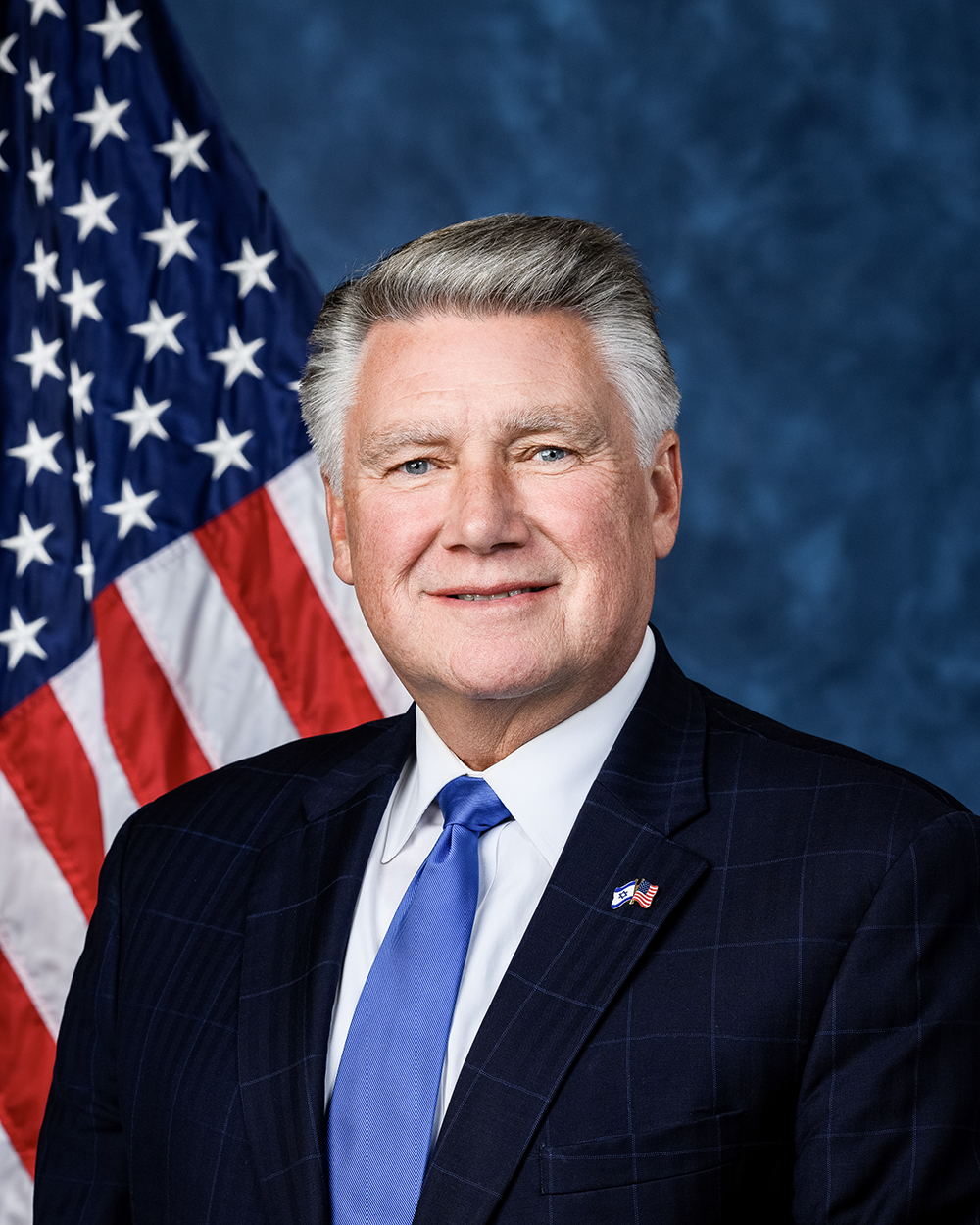
Rep. Mark Harris
Sponsored bills
Maddy summaryHRES 711 is a non-binding House resolution honoring victims of Hurricane Helene and expressing support for affected communities in western North Carolina, specifically North Carolina’s 11th Congressional District, one year after the hurricane struck on September 27, 2024. It formally recognizes the storm’s devastation - including loss of life, displaced families, and damaged infrastructure - while extending condolences to victims’ families and gratitude to first responders and recovery efforts. The resolution affirms the House’s commitment to supporting ongoing recovery and encourages federal agencies to collaborate with Congress on rebuilding. As a symbolic gesture with no new policy or funding, it focuses solely on commemoration and solidarity.
Maddy summaryThis bill would withhold 50% of federal highway funding from states that issue driver's licenses to people without proof of U.S. citizenship or legal residency status, starting in 2027. To comply, states must ban such licenses and allow local/state officials to share immigration status information with U.S. Customs and Border Protection. The Transportation Secretary would maintain a public database tracking each state's compliance with these requirements. The law directly affects state governments and their access to federal transportation funds, not individual drivers.
Maddy summaryHRES 702 is a symbolic resolution condemning the September 10, 2025, assassination of Charlie Kirk, founder of Turning Point USA and a conservative political activist. It expresses condolences to his family, praises first responders, and reaffirms the right to peaceful assembly. As a non-binding resolution, it does not create new laws or policies but serves as a formal statement of condemnation. The resolution directly addresses the House of Representatives' stance on this event, with no direct impact on constituents or legislation.
Maddy summaryThis bill amends the definition of "unauthorized alien" in immigration law by removing the phrase "or by the Attorney General" from Section 274A(h)(3) of the Immigration and Nationality Act. It is a procedural change to an existing legal definition with no new policy requirements or direct impact on specific groups. The bill does not alter enforcement mechanisms or create new obligations for employers or immigrants. This is a technical revision to statutory language, not a substantive policy change.
Maddy summaryThis bill requires the Bureau of Prisons (BOP) to issue photo identification cards meeting REAL ID standards to U.S. citizen prisoners being released from federal custody within 180 days of enactment. The card is valid for 18 months and must be accepted by states for state ID purposes (through negotiated agreements) and by federal programs like Social Security, Medicare, Medicaid, food assistance, and housing programs. It directly affects federal prisoners upon release, states (through required negotiations), and federal agencies that provide services requiring ID. The law mandates annual reports to Congress on state agreement progress but does not change existing prerelease planning procedures.
Maddy summaryHRES 539 is a formal House resolution censuring Representative LaMonica McIver (D-NJ) and removing her from the Committee on Homeland Security. It follows her federal indictment for allegedly assaulting and interfering with Homeland Security Investigations (HSI) officers at a Newark immigration facility on May 9, 2025. The resolution cites House Rule XXIII requiring members to "behave in a manner that shall reflect creditably on the House" and states her continued committee service would create a conflict of interest. The censure requires her to appear in the House well for the formal reading of the resolution. This is a disciplinary measure, not a policy change, based on pending criminal charges.
Maddy summaryH.J.Res. 118 is a symbolic resolution proposing that September 12, 2025, be designated as "The Day of the Bible" in the U.S. It does not create new laws or affect specific groups. The resolution asks Congress to express support for the designation and encourages schools, civic groups, and communities to hold educational activities about the Bible's historical role. It also requires the President to issue an annual proclamation for this day, recognizing the 1782 approval of the Aitken Bible as a milestone in American history. The bill is purely ceremonial with no legal obligations.
Maddy summaryHR 5054 amends federal law to clarify that using threats or violence to interfere with commerce (including labor disputes) is a crime, but exempts peaceful picketing and minor incidents during labor disputes. The bill specifically states that minor bodily injury, property damage, or threats related to such activities - when not part of coordinated violence - do not violate the law. It also specifies that state and local authorities, not federal prosecutors, handle cases involving these exempted activities. The law explicitly preserves existing labor protections under the National Labor Relations Act and other federal statutes.
Maddy summaryHR 5026, the ALCATRAZ Act, establishes a federal grant program to reimburse state and local governments for costs related to detaining migrants at facilities within their jurisdictions, starting January 20, 2025. Eligible states or localities must apply to the DHS Secretary for reimbursement, with funding coming from redirected FEMA shelter funds. The bill requires DHS to submit a 90-day report detailing plans for rapidly building new detention facilities and identifying underused federal or state funds that could support the program. This legislation directly affects state and local governments operating migrant detention facilities by providing financial support for their detention costs.