

Maddy summaryThe FOCA Act of 2025 prohibits federal agencies from requiring or banning contractors from using union agreements in construction project bids or contracts. It directly affects federal agencies, contractors, and subcontractors working on federally funded or assisted construction projects (like buildings or infrastructure). The law requires bid documents to not favor or penalize contractors based on whether they have union agreements, aiming to promote open competition and prevent discrimination. This changes how agencies structure bids but does not affect union agreements themselves. The bill applies to all new contracts and subcontracts after enactment, with limited exemptions only for public health/safety emergencies or national security.
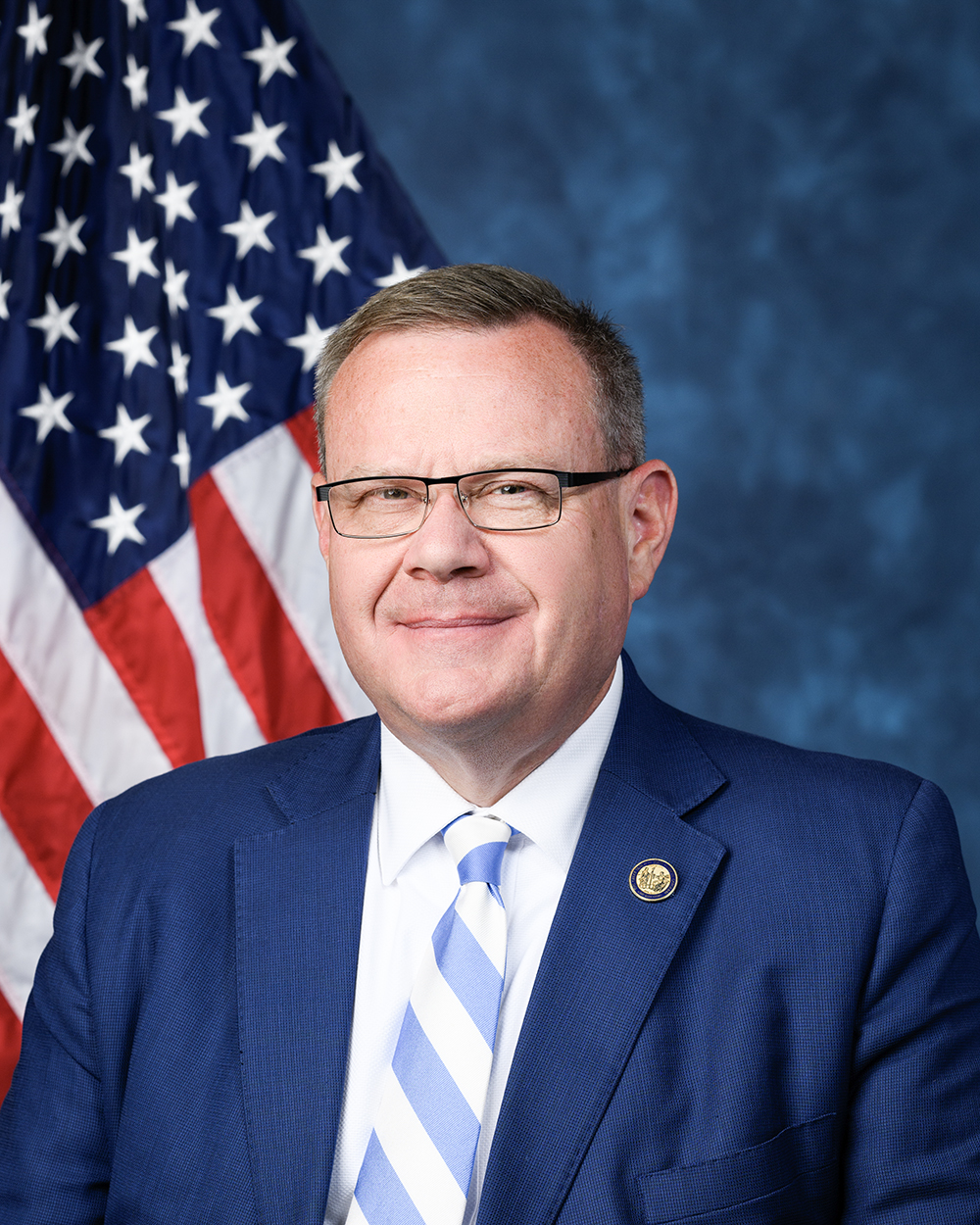
Rep. Tim Moore
Sponsored bills
Maddy summaryThis resolution urges the U.S. Secretary of State to designate Nigeria as a Country of Particular Concern (CPC) under the International Religious Freedom Act of 1998, citing ongoing violence against religious minorities. It specifically calls for Nigeria to protect religious minorities, prosecute perpetrators of attacks, and address displacement of millions caused by religiously motivated violence. The resolution also recommends increased U.S. diplomatic engagement with Nigeria and targeted sanctions against those responsible for religious freedom violations. This follows the State Department's omission of Nigeria from its CPC list in 2021-2023 and its 2024 failure to release an annual report.
Metastatic Breast Cancer Access to Care Act This bill expedites payment of Social Security Disability Insurance (SSDI) benefits and eligibility for Medicare coverage for those with metastatic breast cancer (i.e., breast cancer that has spread to other sites in the body). Specifically, the bill eliminates the 5-month waiting period for SSDI benefits and the subsequent 24-month waiting period for Medicare coverage for individuals with metastatic breast cancer. Under current law, individuals generally must wait 5 months after the onset of disability to begin receiving SSDI benefits and an additional 24 months to become eligible for Medicare.
Maddy summaryHR 2062 would allow taxpayers to deduct membership fees and medical expenses paid through health care sharing ministries (HCSMs) as medical expenses on their federal tax returns, similar to other health costs. It specifically adds HCSM membership to the list of deductible medical expenses under Internal Revenue Code Section 213(d)(1) and clarifies that HCSMs are not treated as health insurance under Section 7702C. This change directly affects individuals enrolled in HCSMs, which are faith-based or community-based cost-sharing groups operating outside traditional insurance. The bill would take effect for tax years beginning after December 31, 2025.
Resident Education Deferred Interest Act or the REDI Act This bill allows borrowers in medical or dental internships or residency programs to defer student loan payments until the completion of their programs.
Maddy summaryThis bill changes how individual investors in mutual funds (regulated investment companies) are taxed on certain dividends. It allows investors to defer paying tax on capital gain dividends that are automatically reinvested in additional fund shares through a dividend reinvestment plan. The deferred tax is recognized later when the investor sells shares or upon their death. It also establishes that shares acquired through this reinvestment are treated as held for over one year from the start, potentially qualifying for long-term capital gains rates. The rule applies only to individual investors (not estates, trusts, or dependents claimed by others).
Maddy summaryH.J.Res. 74 disapproves a rule by the Bureau of Consumer Financial Protection (BCFP) that would have prohibited creditors and consumer reporting agencies from using medical information - such as unpaid medical bills - in credit reports and credit scoring. The rule, published in the Federal Register on January 14, 2025, aimed to prevent medical debt from affecting credit scores. If enacted, this resolution would block the rule from taking effect, maintaining the current practice where medical debt can influence credit decisions. This disapproval follows standard Congressional Review Act procedures for overturning agency rules.
Maddy summaryThis bill ensures military personnel, civilian Defense workers, and supporting contractors continue receiving pay during government funding gaps in fiscal year 2025. It provides temporary funding from existing Treasury reserves to cover salaries for active-duty troops, reservists, Defense civilians, and contractors supporting military operations until Congress passes a full budget or by January 1, 2026. The measure directly affects all active-duty service members, reserve components, and their civilian/contractor support staff across the military. It does not create new policies but guarantees uninterrupted pay during budget implementation delays.
Maddy summaryHR 1851 increases the minimum required fighter aircraft inventory for the Air Force and its reserve components to 1,900 total and 1,200 for the reserve by October 2030, up from current levels (Section 2). The bill allows temporary reductions below these totals for recapitalization, but only for up to two years and with a floor of 1,800 aircraft, requiring congressional notification (Section 2). It mandates quarterly reports to Congress detailing new aircraft acquisitions, assignments, retirements, and recapitalization plans for both active and Air National Guard units (Section 3). The bill specifically protects 25 existing Air National Guard fighter squadrons from fleet reductions until 2030 and requires new aircraft to be assigned to service-retained units at a 3:1 ratio with legacy aircraft retirements (Sections 5, 6).
Maddy summaryHRES 153 is a ceremonial resolution expressing condolences to the families and loved ones of the 67 victims who died in two aviation incidents: American Eagle Flight 5342 and U.S. Army flight PAT 25, which crashed near Washington, D.C.'s Reagan National Airport on January 29, 2025. It specifically honors the victims - many connected to Wichita, Kansas (known as the "Air Capital of the World") - and extends sympathies to affected communities including Wichita, Kansas, and the National Capital Region. The resolution also commends first responders who aided in the recovery efforts. As a non-binding expression of sympathy with no policy changes, it does not affect laws or regulations.