

In committee Jun 24, 2026
1 co-sponsor
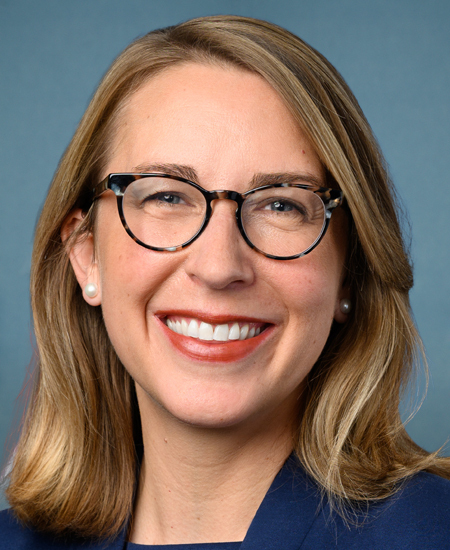
Rep. Hillary J. Scholten
Total votes
1,860
all sessions
Attendance
98%
38 missed
Near the chamber average
With party
94%
of cast votes
Lower than 85% of chamber peers
Bipartisan score
3%
crosses aisle rarely
Higher than 84% of chamber peers
Sponsored
781
bills & resolutions
Near the chamber average
Committees
8
assignments
781 bills and resolutions
Sponsored bills
Total
781
Primary
58
Co-sponsor
723
This page
781
matching current filters
Great American Outdoors Act 250
Maddy summaryThis bill redesignates the existing National Parks and Public Land Legacy Restoration Fund as the America's Legacy Restoration Fund to address deferred maintenance on federal lands. It directs revenue from recreation fees and a portion of energy development income into the fund, which must be used primarily for repairing critical infrastructure like roads, trails, and buildings managed by agencies such as the National Park Service and the Forest Service. The legislation establishes strict rules requiring that most funds go toward non-transportation projects, mandates transparency through public dashboards tracking project status, and sets aside a small percentage for matching private donations. Additionally, the bill increases entrance fees for foreign visitors to ensure they contribute to the fund, while prohibiting the use of these specific funds for land acquisition or employee bonuses.
Budget & TaxesSupports Budget & TaxesBill establishes a dedicated funding mechanism for federal land maintenance using recreation fees and energy income, directly strengthening fiscal management for public services.
EnvironmentSupports EnvironmentBill funds infrastructure repair on federal lands, directly supporting conservation and environmental protection.
TransportationSupports TransportationBill funds repair of critical infrastructure including roads and trails managed by federal agencies, directly advancing transportation maintenance.
In committee Jun 24, 2026
1 co-sponsor
Main Street Competes Act
Maddy summaryThe Main Street Competes Act updates federal policy to explicitly state that enforcing antitrust laws against illegal mergers and anticompetitive behavior should promote competition and help small businesses grow. It requires the Department of Justice and the Federal Trade Commission to submit detailed reports every two years on how their enforcement actions have impacted small businesses, including data on complaints and investigations. Additionally, the Office of Advocacy must analyze this data and provide recommendations to Congress on how to better deter unfair business practices. The bill defines key terms like "small business" and "antitrust violation" to ensure clarity in these reporting requirements.
Passed Jun 24, 2026
0 co-sponsors
Native American Entrepreneurial Opportunity Act
Maddy summaryHR 7396 establishes the Office of Native American Affairs within the Small Business Administration to specifically support Native American entrepreneurs and tribal economic development. The Office targets programs to help small businesses owned by tribal members and promotes economic growth in Indian country, providing culturally tailored assistance like training, counseling, and access to capital. It requires an appointed Assistant Administrator with tribal expertise to develop policies, collaborate with federal agencies, and provide grants to tribes or tribal organizations for outreach programs. The Office must submit annual reports to Congress on its activities and effectiveness, and its authority expires seven years after enactment. This bill directly affects Indian Tribes, Native Hawaiian Organizations, and small businesses owned by tribal members.
Passed Jun 24, 2026
1 co-sponsor
Latonya Reeves Freedom Act of 2026
Maddy summaryThe Latonya Reeves Freedom Act of 2026 strengthens the Americans with Disabilities Act to ensure individuals with long-term service and support needs have a federally protected right to live in their communities rather than institutions. It requires states and insurance providers to offer community-based services that allow people to maintain independence, control their own care, and access affordable, integrated housing. The bill mandates that public entities and insurers create enforceable transition plans to move people out of institutions, conduct self-evaluations to identify barriers, and establish clear grievance procedures for resolving complaints. Enforcement is handled by the Department of Justice, which can investigate violations, while individuals may also file civil lawsuits to seek damages or court orders preventing institutionalization.
HealthcareSupports HealthcareBill strengthens ADA to ensure access to community-based health services and affordable housing, protecting patient rights and improving care access.
HousingSupports HousingBill mandates access to affordable, integrated housing and protects the right to live in communities, directly advancing housing stability.
In committee Jun 23, 2026
1 co-sponsor
Protect Local Funding Act
Maddy summaryThe Protect Local Funding Act prohibits federal agencies from finalizing, implementing, or enforcing a specific proposed rule regarding federal financial assistance scheduled for publication in May 2026. This legislation directly affects the Office of Management and Budget and other federal agencies by legally blocking them from acting on that particular regulation. By preventing the enforcement of this rule, the bill aims to stop a specific administrative action that could impact how federal funds are distributed. The measure does not alter existing funding programs but rather serves as a procedural barrier to a future regulatory change.
In committee Jun 18, 2026
1 co-sponsor
CHILD Labor Act
Maddy summaryThis bill strengthens child labor protections by expanding the definition of hazardous work for minors, particularly in dangerous industries like mining and explosives, and requires the government to update these regulations every five years. It imposes strict rules on companies with federal contracts, prohibiting them from using child labor in their supply chains and holding them jointly liable if their subcontractors violate these rules. The legislation also increases penalties for violations, including higher fines for serious injuries or deaths, allows for stop-work orders, and enables victims to seek significant compensatory and punitive damages. Additionally, the bill mandates training programs to help identify and prevent child labor abuses and requires the Department of Labor to report annually on work-related injuries and deaths.
In committee Jun 18, 2026
1 co-sponsor
Advancing Next-Generation Genetic Learning for Effective Resource Strategy Act
Maddy summaryThis bill establishes a grant program to help state, tribal, local, and academic organizations use environmental DNA (eDNA) techniques to improve sport fish surveys. The funding, totaling $4 million annually from 2027 to 2033, is intended to expand survey coverage to remote areas, increase the frequency of data collection, and enhance the accuracy of identifying fish species and detecting invasive or endangered populations. Priority will be given to applicants who plan to collaborate with other eligible entities, and the program requires the collection of data to measure how effectively the new methods improve fisheries management.
In committee Jun 11, 2026
0 co-sponsors
Faster Labor Contracts Act
Maddy summaryHR 5408, the Faster Labor Contracts Act, requires employers to begin negotiating a first contract with a newly certified union within 10 days of written request. If no agreement is reached within 90 days, the parties must seek mediation, and if unresolved after 30 days of mediation, the dispute moves to binding arbitration by a three-member panel. The arbitration decision, based on factors like employer finances, industry standards, and cost of living, becomes binding for two years. This bill directly affects newly certified unions and their employers during initial contract negotiations, aiming to reduce delays that currently average 465 days.
Passed Jun 10, 2026
1 co-sponsor
BLANCHE Act of 2026
Maddy summaryThe BLANCHE Act of 2026 prohibits the United States government from entering into settlement agreements with the President that result in the President or a third party receiving any payment, including cash, goods, or legal fees. This rule applies to claims filed by the President or individuals who assumed office while a claim was pending, ensuring no such agreements are valid unless a federal court explicitly approves them. To gain court approval, the agreement must be proven to be between adverse parties, not collusive or fraudulent, and in the interest of justice, requiring a formal hearing with evidence presented by both sides. The law also mandates that the President file the proposed terms with the court if no separate civil action has already been initiated. These provisions aim to prevent potential conflicts of interest and ensure transparency in any legal settlements involving the highest office in the land.
In committee Jun 9, 2026
1 co-sponsor
Ask Maddy
·
AI policy assistant
Ask Maddy about Hillary J. Scholten
Scope: ohio
Hi! I can help you understand Hillary J. Scholten's legislative record. What would you like to know?
Try one of these
i
Maddy answers using official bill text and legislative records. Always verify before sharing.
Sources cited inline