Repealing Big Brother Overreach Act This bill repeals the Corporate Transparency Act. The act requires existing companies and newly created companies to report beneficial ownership information to the Department of the Treasury’s Financial Crimes Enforcement Network for purposes of addressing the financing of terrorism and money laundering.
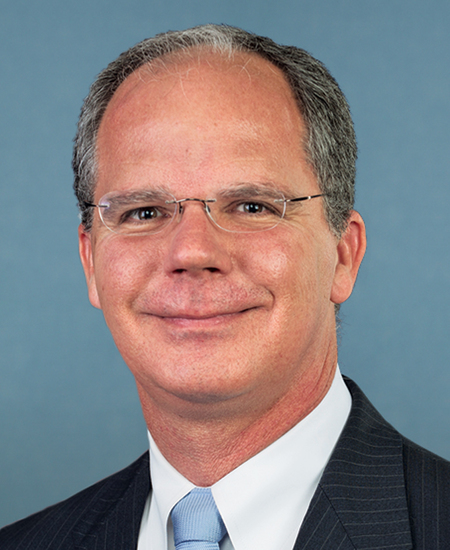
Rep. Brett Guthrie
Sponsored bills
Maddy summaryHR 1041, the Veterans 2nd Amendment Protection Act, prevents the Department of Veterans Affairs (VA) from automatically sending veterans' personal information to the national background check system (NICS) solely because a court has appointed a fiduciary (like a guardian) to manage their benefits. This directly affects veterans who have a fiduciary appointed due to mental health or cognitive challenges but are not deemed a danger to themselves or others. The bill requires a court order finding the veteran poses a danger before any such information can be shared with the NICS. It changes VA procedures to block unnecessary barriers to firearm ownership for veterans who qualify for fiduciary support without a judicial determination of danger.
Maddy summaryThe Motor Vehicle Modernization Act of 2026 establishes new requirements for the National Highway Traffic Safety Administration (NHTSA) to develop and update a comprehensive safety rulemaking and research priority plan every two years. The bill reforms the New Car Assessment Program (NCAP) by creating an NCAP Office led by an Associate Administrator and establishing an NCAP Advisory Committee with diverse stakeholders including manufacturers, safety organizations, and consumer advocates. It also mandates that NHTSA review motor vehicle safety standards every four years and creates a working group to improve consumer education about vehicle automation technologies. The legislation aims to modernize safety processes, enhance transparency about vehicle safety features, and better inform consumers about motor vehicle safety technologies.
Maddy summaryThis bill directs the Department of Defense to connect military recruits who cannot enlist with the Job Corps program for training in skilled industrial jobs within the defense industry. It expands specific workforce incentives to include Job Corps centers and gives local operators more flexibility to hire staff, partner with educational institutions, and manage their programs without waiting for federal approval. The legislation also updates rules to allow Job Corps centers to accept cash donations and grants more easily while streamlining enrollment for veterans and active-duty service members. Overall, the act aims to reduce shortages of skilled workers in defense manufacturing by aligning Job Corps training with the needs of the defense industrial base.
Maddy summaryThis bill prevents the Army from deactivating or reducing the capabilities of its Expeditionary Combat Aviation Brigades between 2027 and 2031 without first getting approval from Congress. It requires the Army Secretary to submit a detailed plan and certification showing how aircraft and personnel levels will be restored before any reductions can happen. Additionally, the law mandates that any brigades already cut back before the bill passes must be fully reinstated within one year, and it authorizes $35 million for aircraft operations and training in 2027.
Maddy summaryThe Brownfields Revitalization for a Better Tomorrow Act expands funding and support for cleaning up and redeveloping contaminated properties known as brownfields. It increases the maximum grant amounts available for site remediation and adds new criteria to prioritize projects located on former military bases or in small communities. The legislation also mandates regular audits of how federal funds are used, requires states to maintain public inventories of brownfield sites, and directs the EPA to provide technical assistance to organizations that have previously been unsuccessful in securing grants. Additionally, the bill authorizes new studies to evaluate the effectiveness of existing loan programs and to explore the feasibility of creating a larger loan program for complex cleanup projects.
This resolution expresses support for police officers and other law enforcement personnel. The resolution further recognizes law enforcement officers across the United States in the pursuit of preserving safe and secure communities; the need to ensure that such officers have the equipment, training, and resources necessary to protect their health and safety while they are protecting the public; and the law enforcement community for acts of sacrifice and heroism. The resolution expresses condolences and appreciation to the loved ones of each law enforcement officer who has made the ultimate sacrifice in the line of duty.
Maddy summaryHR 5688, the Non-Domiciled CDL Integrity Act, changes rules for issuing commercial driver's licenses (CDLs) to people who don't live in the state where the license is issued. It allows states to issue CDLs to foreign nationals with lawful U.S. immigration status and work-related visas (valid for up to one year or until their stay ends), requiring states to verify status before issuing and keep records for two years. For residents of U.S. territories like Puerto Rico, it requires proof of U.S. citizenship or permanent residency before issuing CDLs, with similar verification and record-keeping rules. The bill directly affects commercial drivers from foreign countries and U.S. territories seeking CDLs in states where they are not residents.
Maddy summaryThis bill would expand Mammoth Cave National Park by adding approximately 551 acres of land in Edmonson and Barren Counties, Kentucky, to the park's existing boundaries. The legislation modifies existing law to allow the Secretary of the Interior to acquire this specific parcel of land, as shown on a map dated May 2025. The acquisition is subject to a financial threshold adjusted for inflation, referenced in the updated law. This change directly affects the park's management and the landowners whose property would be added to the protected area.
Enhanced Iran Sanctions Act of 2025 This bill imposes sanctions on certain foreign persons (individuals and entities) that are involved in Iran's petroleum sector as well as certain associated persons. The bill also requires or authorizes actions to facilitate the enforcement of sanctions on Iran. Specifically, the bill requires the President to impose visa- and property-blocking sanctions on any foreign person that, after the bill's enactment, knowingly engages in any transaction related to the processing, export, or sale of oil, condensates, gas, liquefied natural gas, or other petrochemical products in whole or in part from Iran. The President must also impose sanctions on certain foreign persons associated with a sanctioned individual or entity. For example, the President must sanction the subsidiaries and corporate officers of a sanctioned business. The bill provides certain exceptions to these sanctions, including specifying that sanctions do not apply to the importation of goods or to conducting or facilitating transactions for humanitarian assistance. The Department of State must establish an interagency working group that shall seek to establish a multilateral contact group to coordinate international efforts to enforce sanctions on Iran. The bill expands the State Department rewards program to authorize a reward payment to any individual who furnishes information leading to the identification of a person (1) subject to sanctions under this bill, or (2) that has attempted or is attempting to evade sanctions under this bill.