

New Markets Tax Credit Extension Act of 2021 This bill makes the new markets tax credit permanent. It also modifies the credit to (1) provide for an inflation adjustment to the limitation amount for the credit after 2021, and (2) allow an offset against the alternative minimum tax for the credit (determined with respect to qualified equity investments initially made after 2020).
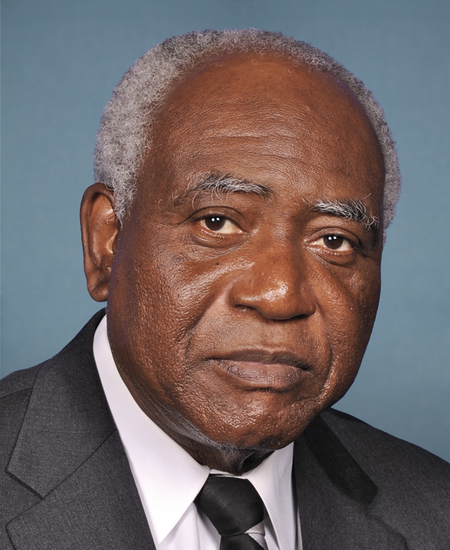
Rep. Danny K. Davis
Sponsored bills
Hospitality and Commerce Job Recovery Act of 2021 This bill extends existing and establishes new tax credits that assist the hospitality and restaurant industry. Specifically, it allows a conventionand trade show restart tax credit; extends the employee retention tax credit through 2021; suspends for taxable years 2021 through 2022, the limitation on entertainment expenses related to a trade or business, allows a restaurant and dining restart credit for businesses closed or forced to reduce services due to COVID-19 (i.e., coronavirus disease 2019); allows a 50% tax credit for travel expenditures; and allows a tax credit for unmerchantable inventory for the period between December 31, 2019, and before April 1, 2021.
National Apprenticeship Act of 2021 This bill provides statutory authority for the registered apprenticeship program within the Department of Labor and for related grant programs. The bill provides statutory authority for the Office of Apprenticeship (OA) within Labor. The OA's responsibilities include (1) supporting the development of apprenticeship models; (2) recognizing qualified state apprenticeship agencies, and operating apprenticeship offices in states without a recognized agency; (3) providing technical assistance to state agencies; (4) periodically updating requirements for each occupation in the apprenticeship program and determining whether to approve new occupations for the program; (5) promoting greater diversity in the national apprenticeship system; and (6) awarding grants provided by this bill. The bill also establishes in statute the responsibilities of state apprenticeship agencies and offices, including (1) providing technical assistance to stakeholders, (2) resolving complaints, (3) establishing state performance goals, and (4) including in its written plan a description of how its apprenticeship programs align with the skills needs of the state's employers. The OA shall enter into an agreement with the Department of Education to promote the integration and alignment of apprenticeship programs with secondary, postsecondary, and adult education. The OA shall award grants, contracts, or cooperative agreements to eligible entities to (1) expand national apprenticeship system programs, including by expanding pre-apprenticeship and youth apprenticeship programs; (2) encourage employer participation; and (3) strengthen alignment between the apprenticeship system and education providers. The bill provides statutory authority for criteria for various programs, including (1) quality standards for apprenticeships, (2) requirements for apprenticeship agreements between a program sponsor and an apprentice, and (3) acceptable uses for grant funds awarded by this bill. The bill also provides statutory authority for the National Advisory Committee on Apprenticeships. The committee's duties shall include advising the OA on matters relating to this bill and providing recommendations on topics such as increasing the participation of populations not traditionally involved in the national apprenticeship system. Labor shall engage an independent entity to conduct research on ways to improve the management and effectiveness of national apprenticeship system programs.
American Innovation and R&D Competitiveness Act of 2021 This bill eliminates the five-year amortization requirement for research and experimental expenditures scheduled to begin in 2022, thus allowing continued expensing of such expenditures in the taxable years in which they are incurred.
Living Donor Protection Act of 2021 This bill prohibits certain insurance carriers from discriminating against, and provides other protections for, living organ donors. Specifically, carriers may not deny, cancel, or otherwise impose conditions on policies for life insurance, disability insurance, or long-term care insurance based on an individual's status as a living organ donor. The bill also expressly specifies that recovery from organ-donation surgery constitutes a serious health condition that entitles eligible employees to job-protected medical leave. In addition, the Department of Health and Human Services must update educational materials on live organ donation to include information about the benefits of live organ donation and about access to insurance for living organ donors.
ABLE Age Adjustment Act This bill increases from 26 to 46 the age threshold for tax-favored ABLE (Achieving a Better Life Experience) accounts. (ABLE accounts are designed to enable individuals with disabilities to save for and pay for disability-related expenses. To establish an account, an individual must have a qualifying impairment that began before the individual attained the age threshold.)
Confederate Monument Removal Act This bill prohibits a state from providing for display in National Statuary Hall a statue of a person who voluntarily served with the Confederate States of America, and it provides for the removal, return, and replacement of any statue currently on display that depicts such a person.
Bronzeville-Black Metropolis National Heritage Area Act This bill establishes the Bronzeville-Black Metropolis National Heritage Area in Chicago, Illinois. The Black Metropolis National Heritage Area Commission shall be the local coordinating entity for the heritage area and shall submit a management plan for the heritage area. The authority of the Department of the Interior to provide financial assistance to the heritage area expires 15 years after the enactment of this bill.
This resolution supports the designation of Public Schools Week.
Department of Peacebuilding Act of 2021 This bill establishes a Department of Peacebuilding in the executive branch, dedicated to peacebuilding, peacemaking, and the study and promotion of conditions conducive to both domestic and international peace and a culture of peace. The mission of the department includes the cultivation of peace and peacebuilding as a strategic national policy objective and development of policies that promote national and international conflict prevention, nonviolent intervention, mediation, peaceful conflict resolution, and structured conflict mediation. The department shall collaborate with others to promote personal and community security and peace by supporting policies to address personal and family violence, including suicide; reduce drug and alcohol abuse; and create, through local community initiatives, peace projects that facilitate conflict resolution and healing of societal wounds. A Federal Interagency Committee on Peace is established to coordinate the actions of the department with other federal agencies. The Department of Defense and the Department of State must consult with the department concerning nonviolent means of conflict resolution when a conflict between the United States and any other government or entity is foreseeable, imminent, or occurring. The department shall encourage citizens to observe and celebrate the blessings of peace and endeavor to create peace on Peace Days.