

Maddy summaryThis bill directs the Small Business Administration to create educational resources for small business owners and employees regarding their rights and responsibilities during immigration enforcement actions. The SBA must develop online modules, a physical card, and planning guides that explain how to respond to searches or arrests, including the constitutional right to remain silent and consult a lawyer. These materials will be made available in English and the 15 most commonly spoken languages in the U.S., with content reviewed by legal experts and government agencies to ensure accuracy.
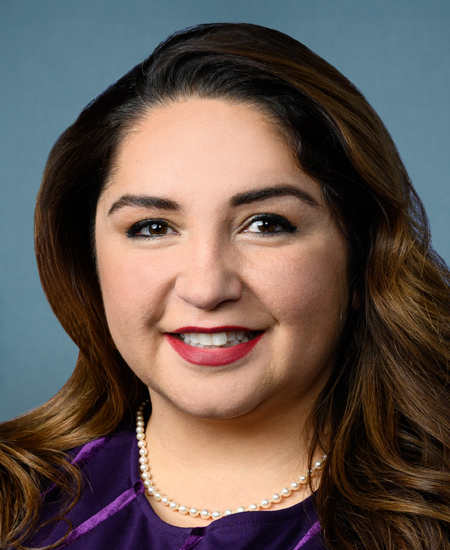
Rep. Delia C. Ramirez
Sponsored bills
Maddy summaryThis bill establishes federal protections and funding to expand access to in vitro fertilization and intrauterine insemination for individuals, military service members, and veterans. It requires most private health plans, Medicaid programs, and Medicare to cover these fertility treatments without imposing higher cost-sharing than other medical services. Additionally, the legislation mandates that the Department of Defense and the Department of Veterans Affairs provide specific fertility preservation and treatment benefits to uniformed service members and eligible veterans. The bill also includes preemption clauses that override state laws restricting these procedures and prohibits discrimination based on marital status, sex, or sexual orientation in the provision of care.
Maddy summaryThis bill, titled the No AI Data Centers on Federal Lands Act, prohibits the construction and operation of large-scale artificial intelligence data centers on any land owned or managed by the United States government. It requires federal agencies to immediately stop building or running such facilities and mandates the removal of existing structures within 30 days of the law's enactment. The legislation defines these centers as buildings with high power usage or advanced cooling systems used for developing AI models, while also specifying that any cleanup must follow environmental safety standards.
Maddy summaryThis bill expands federal election laws to prevent foreign nationals from influencing U.S. elections by tightening restrictions on domestic companies with significant foreign ownership or control. It requires businesses that are at least 50% owned by foreign individuals, or those with specific foreign influence, to file a sworn certification proving they are not foreign-controlled before making any political donations or spending money on election activities. Additionally, the law clarifies that these rules apply to state and local ballot initiatives and mandates that corporate political action funds certify their managers and board members are U.S. citizens or permanent residents. The legislation also prohibits recipients of funds from these businesses from using the money for further political contributions unless they receive and verify the required compliance certification.
Maddy summaryThe Inclusive Democracy Act of 2026 mandates that individuals with criminal convictions retain their right to vote in federal elections and requires prisons, jails, and probation offices to notify incarcerated or supervised individuals of this right. The bill establishes specific procedures for voter registration and absentee voting within carceral settings, including expedited transmission of forms and the ability to use either a prison address or a last known address for registration. It also prohibits states from rejecting ballots or registration applications based on late mailing dates or electronic submission methods and ensures that election materials and nonpartisan voter registration services can be distributed inside correctional facilities.
Maddy summaryThe Right to Learn Act of 2026 creates a grant program to help schools and community organizations support students and staff affected by immigration enforcement actions. Funds awarded by the Department of Education can be used to hire trauma-informed counselors, provide emergency assistance like food and legal referrals, and train educators on culturally responsive care. The bill strictly prohibits schools from collecting or sharing personal data about a student's immigration status and forbids denying services based on that status. Eligible recipients include public schools, early childhood programs, universities, and legal service providers, with a total funding authorization of $250 million over five years.
Maddy summaryThe MOMMIES Act expands Medicaid and CHIP coverage for low-income pregnant and postpartum individuals by extending continuous benefits for one year after childbirth and mandating full coverage of oral health services. To support these changes, the bill includes maintenance of effort provisions that prevent states from restricting eligibility or reducing benefits for this population, alongside a temporary 100 percent federal funding match for states that increase spending on these services. Additionally, the legislation establishes a five-year demonstration project to fund maternity care home models that integrate medical and social support services, while also requiring studies and guidance on improving access to doula services and telehealth for maternity care.
Maddy summaryThe Judicial Integrity Act amends federal law to clarify which judges and Supreme Court justices must recuse themselves from cases involving personal financial interests. It requires that any exemptions from these conflict-of-interest rules be established through a formal regulation issued by the Judicial Conference of the United States, which must include public notice and a comment period. This change ensures that decisions about whether a financial interest is too small to matter are made transparently rather than through individual waivers. The bill directly affects all federal judges and Supreme Court justices by tightening the standards for when they can participate in cases where they have a financial stake.
Maddy summaryThe Justice is BLIND Act of 2026 requires federal judges, including justices, magistrate judges, and bankruptcy judges, along with their spouses and dependent children, to place specific financial investments into qualified blind trusts within 90 days of taking office or enactment. This rule applies to securities, commodities, and derivatives but excludes widely held mutual funds, U.S. Treasury bonds, and income earned by spouses or children from their own jobs. The bill also mandates that these judges publicly attest to the establishment of the trust or confirm they hold no covered financial interests, with these reports made available online. Additionally, the law prohibits judges from dissolving or controlling these trusts for 180 days after they leave their judicial positions to prevent immediate conflicts of interest.