

Enhanced Iran Sanctions Act of 2025 This bill imposes sanctions on certain foreign persons (individuals and entities) that are involved in Iran's petroleum sector as well as certain associated persons. The bill also requires or authorizes actions to facilitate the enforcement of sanctions on Iran. Specifically, the bill requires the President to impose visa- and property-blocking sanctions on any foreign person that, after the bill's enactment, knowingly engages in any transaction related to the processing, export, or sale of oil, condensates, gas, liquefied natural gas, or other petrochemical products in whole or in part from Iran. The President must also impose sanctions on certain foreign persons associated with a sanctioned individual or entity. For example, the President must sanction the subsidiaries and corporate officers of a sanctioned business. The bill provides certain exceptions to these sanctions, including specifying that sanctions do not apply to the importation of goods or to conducting or facilitating transactions for humanitarian assistance. The Department of State must establish an interagency working group that shall seek to establish a multilateral contact group to coordinate international efforts to enforce sanctions on Iran. The bill expands the State Department rewards program to authorize a reward payment to any individual who furnishes information leading to the identification of a person (1) subject to sanctions under this bill, or (2) that has attempted or is attempting to evade sanctions under this bill.
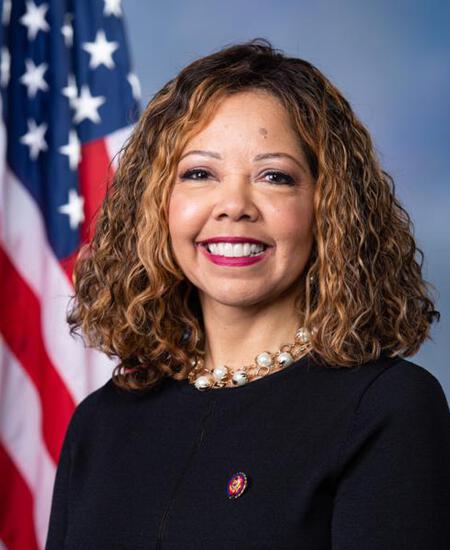
Rep. Lucy McBath
Sponsored bills
Maddy summaryThis resolution commemorates the fifth anniversary of the March 16, 2021, Atlanta spa shootings that killed eight people and denounces ongoing anti-Asian hate and xenophobic rhetoric. It honors the victims, condemns the violence, and calls for improved hate crime reporting and support services for affected communities. The measure also urges efforts to combat online disinformation, promote education on Asian American history, and expand federal programs aimed at preventing hate crimes.
Maddy summaryThis bill, known as the Fair Wages for Home Care Workers Act, would change federal labor rules to require overtime pay and minimum wage protections for certain babysitters. It specifically targets casual babysitting work that is irregular or intermittent, while excluding trained medical professionals like nurses and home health aides from these changes. The law would also allow babysitters to perform up to 20% of their work time on unrelated household tasks without losing their protected status. These amendments would apply to workers covered by the Fair Labor Standards Act of 1938 who provide custodial care for infants or children in private homes.
Maddy summaryHRES 1107 is a House resolution urging the President to issue a proclamation flying the U.S. flag at half-staff to honor Rev. Jesse Jackson. The resolution recognizes his civil rights leadership, including founding the Rainbow PUSH Coalition and his presidential campaigns in 1984 and 1988, which advanced racial equality and economic justice. This symbolic gesture directly affects the President (as the one who would issue the proclamation) and the public, who would observe the flag at half-staff.
Maddy summaryThis bill requires hospitals receiving Medicare funding to create discharge plans for pregnant patients who are expected to leave the hospital before delivery, ensuring they have safe transportation and access to backup care if needed. The discharge plans must include clinical justification for early discharge, assessment of travel logistics, identification of alternative delivery facilities, and confirmation that patients understand the information in their primary language. Additionally, the bill expands rural maternal health training grants to include racial bias training, establishes performance milestones for grant recipients, and creates a new initiative to evaluate different training models for healthcare professionals. The legislation also mandates the development of a public dashboard tracking maternal health outcomes and federal investments in maternal health research.
Maddy summaryHRES 1106 is a non-binding House resolution honoring the life and legacy of Rev. Jesse Louis Jackson, Sr., a prominent civil rights leader and activist. The resolution recognizes his lifelong work in advancing equality through organizations like Operation PUSH, his leadership in the anti-apartheid movement, and his historic presidential campaigns in 1984 and 1988. It expresses condolences to his family and calls on all Americans to continue his legacy of promoting civil rights and unity. As a commemorative resolution, it does not create new laws or affect any policies.
Maddy summaryThe DISCLOSE Act of 2026 aims to increase transparency in election spending and prevent foreign influence. It expands the ban on foreign money to cover federal, state, and local elections, including ballot initiatives and judicial nominations, and criminalizes using corporations to conceal these funds. The bill mandates that organizations spending over $10,000 on campaign-related activities, such as independent expenditures or judicial nomination advocacy, disclose their beneficial owners and top donors. Additionally, it establishes new "Stand By Every Ad" disclaimers for political communications, requiring the highest-ranking official to approve the message and, for certain ads, list their top funders. These provisions directly affect non-candidate organizations, individuals involved in political and judicial nomination spending, and foreign nationals.
Enhancing Detection of Human Trafficking Act This bill requires the Department of Labor to provide training and education to its employees on how to effectively assist law enforcement in detecting human trafficking. The bill directs Labor to determine which employees should receive the training and education based on their official duties. Further, it requires the training and education to include information that is appropriate for the employees' location or environment; that reflects current trends and best practices for the location or environment; and that is relevant to detecting human trafficking, identifying suspected victims, and referring potential cases to the Department of Justice and other appropriate authorities.
Maddy summaryThis bill, titled the Parks to People Active Transportation Act, directs the U.S. Department of Transportation to create a competitive grant program for building and improving greenway paths that connect communities. Eligible organizations such as state and local governments, regional planning councils, and Indian Tribes can apply for funding to construct hard-surfaced walkways, bikeways, or shared-use paths that cross jurisdictional lines and link to public transit. The program prioritizes projects that reduce vehicle congestion, improve safety for pedestrians and cyclists, and address disparities in access to jobs, schools, and recreational opportunities for low-income and minority communities. Grants may cover up to 80 percent of project costs, with higher funding levels available for rural areas and communities with high poverty rates, and the legislation authorizes $300 million annually from 2027 through 2031 to support these initiatives.
Maddy summaryHRES 1086 is a symbolic resolution recognizing the Clotilda as the last known ship to illegally bring enslaved Africans to the U.S. in 1860 (carrying 110 people) and condemning the U.S. government's historical role in enabling the transatlantic slave trade. It acknowledges the lasting harm of slavery on African Americans, specifically honoring the descendants who established Africatown in Alabama and maintaining cultural heritage. The resolution urges support for preserving Africatown and encourages the Architect of the Capitol to consider a memorial on Capitol grounds for the Clotilda and all victims of the slave trade. As a non-binding resolution, it has no policy or funding impact.