

Maddy summaryThe Jewish American Security Act aims to combat antisemitism by strengthening protections for Jewish students, securing Jewish communities, and increasing transparency regarding online hate speech. For educational institutions receiving federal funds, the bill mandates the creation of specific coordinators to handle discrimination complaints, requires annual training on handling antisemitism, and establishes a new federal clearinghouse to share best practices for campus safety. To support physical security, the legislation expands grant funding for nonprofit organizations and directs the Attorney General to provide resources for law enforcement agencies protecting houses of worship. Additionally, the act requires major online platforms with over 50 million monthly users to submit detailed reports to the Federal Trade Commission on how they detect, remove, and moderate antisemitic content.
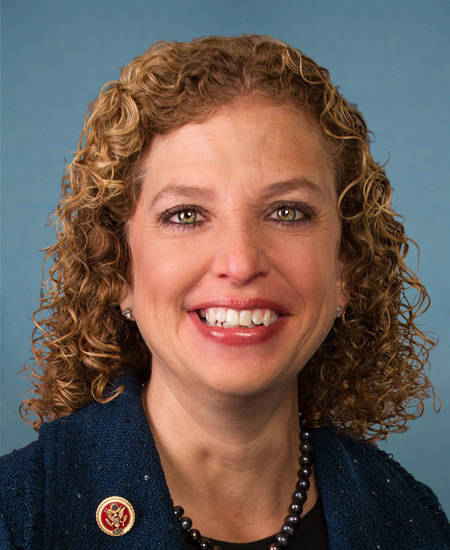
Rep. Debbie Wasserman Schultz
Sponsored bills
Maddy summaryThis bill establishes a new Office for Civil Rights and Civil Liberties within the Department of Homeland Security, led by an Officer who reports directly to the department head. The Office is tasked with overseeing compliance with civil rights laws, reviewing potential abuses or profiling by employees, and integrating these protections into all department policies and programs. It grants the Officer authority to investigate complaints, issue public reports on findings, and coordinate with other officials to ensure diverse communities are engaged effectively. Additionally, the legislation requires each major department unit to have its own civil rights officer and mandates annual reporting to Congress on the Office's activities and progress.
Maddy summaryThe Living Wage for Federal Contractors Act mandates that employees working on federal contracts receive a basic hourly wage that starts at $17.00 and increases annually to $25.00, with future adjustments tied to inflation. This requirement applies to all workers performing services or labor on federal contracts, including those at any subcontracting tier, while offering a slightly lower initial rate for tipped employees. To enforce compliance, the bill allows the government to terminate contracts for wage violations, requires contractors to repay double the amount of unpaid wages, and prohibits future contract awards to firms repeatedly found in violation. Additionally, the legislation updates existing wage standards under the Davis-Bacon and Service Contract Acts to ensure they align with the new federal living wage floor.
Maddy summaryThis resolution expresses the House of Representatives' support for the goals of Alzheimer's and Brain Awareness Month, which takes place in June. It aims to raise public awareness about Alzheimer's disease and other forms of dementia while encouraging individuals to educate themselves and advocate for better research and care services. The document highlights the significant impact of these conditions on millions of Americans and calls for increased support for patients, their families, and caregivers.
Maddy summaryThe Making Condos Safer and Affordable Act of 2026 expands federal mortgage insurance options for condominium projects to help finance repairs and replacements of shared facilities like roofs, elevators, and common areas. It allows the governing body of a condominium to take out loans secured by future mandatory payments from individual unit owners, with the government potentially insuring up to 90 percent of the project cost. Additionally, the bill modifies existing rehabilitation loan programs to let individual condo owners use these funds to pay for special assessments related to building improvements or to build reserves for future maintenance. The legislation also streamlines regulations for managing these rehabilitation projects and adjusts loan limits to better reflect the costs of such repairs.
Maddy summaryThe LIFT the BAR Act aims to restore access to federal benefits for lawfully present noncitizens by repealing several restrictions imposed by the 1996 welfare reform law and a 2024 reconciliation bill. Specifically, it would allow eligible noncitizens to receive SNAP food assistance, Medicaid, CHIP, and child nutrition programs, while also updating legal terminology to refer to "noncitizens" rather than "aliens" in relevant statutes. The legislation includes provisions to ensure these individuals can qualify for premium tax credits and would require federal agencies to issue implementation guidance within 180 days of enactment.
Maddy summaryThis resolution expresses support for designating June 28, 2026, as "Community is Stronger than Cancer Day" to honor the millions of Americans affected by cancer. The bill encourages the public to foster compassionate communities and provide support to patients, survivors, caregivers, and their loved ones. It aims to celebrate the connection and hope found within these communities rather than implementing new laws or funding.
Maddy summaryThe Comprehensive Paid Leave for Federal Employees Act expands paid family and medical leave benefits for federal workers, including those in the Executive Office of the President, the Postal Service, and the District of Columbia courts. Key provisions increase the standard leave entitlement to 12 weeks plus any accrued annual or sick leave, while also extending coverage to include pregnancy loss, fertility issues, and failed adoptions. The bill specifically adds a new category of leave allowing employees to take time off to address the needs of family members who are victims of dating violence, domestic violence, sexual assault, stalking, or sex trafficking. To fund this expanded coverage, the legislation requires employees to agree to work for a period equal to the time taken off, with exceptions made for death or serious health conditions.
Maddy summaryThis resolution expresses the House of Representatives' support for designating the fourth Sunday in June as "National Learn to Swim Week" to raise awareness about water safety. The bill highlights statistics from the CDC showing that drowning is a leading cause of unintentional injury death for children and notes that formal swimming lessons can significantly reduce drowning risks. It emphasizes the need to address disparities in swimming skills across different communities and encourages governments and schools to promote access to swimming lessons and integrate water safety education. While the measure does not create new laws or funding, it serves as a formal statement of intent to encourage action on drowning prevention and aquatic safety.
Maddy summaryThe Haitian Refugee Immigration Fairness Act of 2026 allows nationals of Haiti and their immediate family members who have lived continuously in the United States since June 26, 2024, to apply for permanent resident status. To qualify, applicants must submit their request within three years of the bill's enactment and generally cannot have been convicted of aggravated felonies, multiple crimes of moral turpitude, or acts of persecution. The bill also permits eligible individuals with existing deportation orders to apply without first overturning those orders and grants them work authorization while their applications are pending. Additionally, the legislation ensures that granting permanent residence to these applicants does not reduce the number of available immigrant visas for other categories.