

Maddy summaryThis bill amends the VA's medical services to include "produce prescriptions" as a covered benefit. It directly affects veterans with diet-related chronic conditions (like diabetes or heart disease) who are also food-insecure. The key provision defines a "produce prescription" as a VA-provided voucher or debit card for purchasing fruits and vegetables to improve their health. This changes existing VA policy to formally cover this nutrition support as part of medical care, without creating new funding mechanisms.
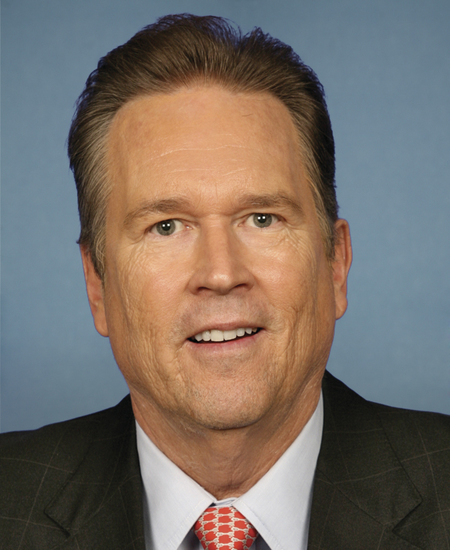
Rep. Vern Buchanan
Sponsored bills
Maddy summaryHR 7486, the Protecting Hospitals from Disaster Act of 2026, requires Quality Improvement Organizations (QIOs) to help hospitals and specific healthcare facilities prepare for and respond to extreme weather events. The bill allocates $50 million from Medicare funds in fiscal year 2026 to support this QIO assistance. It directly affects hospitals, psychiatric hospitals, skilled nursing facilities, critical access hospitals, long-term care hospitals, rural emergency hospitals, and inpatient rehabilitation facilities. The key mechanism is mandating QIOs to provide preparedness support to these facilities using the dedicated funding.
Maddy summaryThis bill amends disaster preparedness funding rules to better support companion animals during emergencies. It adds a new 90% federal funding option for specific pet-related preparedness activities, alongside the existing 50% option. States, localities, and tribes receiving disaster grants can now use funds for items like collapsible crates, mobile pet trailers, veterinary supplies, emergency generators, and animal response team training. The law directly affects government entities managing disaster response by expanding allowable uses of existing grant money for pet safety.
Maddy summaryThe No Tax Dollars for Terrorists Act requires the U.S. State Department to identify foreign countries and organizations receiving U.S. foreign aid that have provided financial or material support to the Taliban, including the amounts of aid they receive and the support they give to the Taliban. It mandates a strategy to use U.S. aid to discourage such support, with initial and follow-up reports to Congress on the strategy and its implementation. The bill also demands detailed reports on U.S. cash assistance programs in Afghanistan and the Afghan Fund, explaining how funds are transferred (including traditional money transfer systems) and how safeguards prevent Taliban access.
Maddy summaryThis bill modifies tax credit rules to help businesses recover after disasters. It allows businesses operating in designated disaster areas to treat certain unused tax credits (carryforwards) as transferrable credits against current tax liability, rather than letting them expire. Specifically, it applies to taxpayers making eligible expenditures for business operations in areas with a major disaster declaration after December 31, 2023, or a state-declared disaster meeting specific criteria. The change affects businesses in affected zones by providing immediate tax relief for qualifying expenses incurred within two years of the disaster declaration. It does not involve energy policy or new funding, but adjusts existing tax credit rules for disaster recovery.
Maddy summaryThe USMCA Travel and Tourism Resiliency Act (HR 7454) directs the U.S. Trade Representative to advocate for a new Travel and Tourism Trade Working Group under the USMCA during the next joint review. This group, co-chaired by the U.S., Canada, and Mexico, would include U.S. agencies like Commerce and Homeland Security and seek input from the travel industry to boost tourism competitiveness and exports. It requires annual meetings and regular congressional briefings, aiming to support an industry that generated $214 billion in U.S. tourism exports in 2024. The bill directly affects U.S. government agencies and the travel sector, focusing on enhancing cross-border tourism cooperation.
Maddy summaryHR 7371 (No Flight, No Fight Act of 2026) bans air carriers from transporting adult roosters as cargo, except for shipments originating from or destined to qualifying commercial farms. The bill requires shippers to provide USDA-certified documentation proving the farm meets the $350,000 annual gross income threshold for commercial operations. It defines "adult rooster" as a male chicken over 6 months old and specifies that exemptions apply only to legitimate agricultural purposes, not to prevent illegal activities like cockfighting. The Department of Transportation will enforce this rule, with violations subject to civil penalties, effective 180 days after enactment.
Maddy summaryHR 7370, the REUSE Act of 2026, requires the Environmental Protection Agency (EPA) to produce a public report within two years of enactment. The report must evaluate the feasibility, best practices, and economic impacts of reuse and refill systems for products like food, beverages, cleaning supplies, and shipping containers across sectors including retail, education, and waste management. It specifically examines job creation opportunities, cost-benefit analyses for businesses and waste management, equitable distribution strategies, and barriers to implementation. The bill does not create new regulations but mandates this study to inform future policy decisions on sustainable product systems.
Maddy summaryThis bill prevents state or local governments from banning or restricting energy connections (like installation, modification, or access) based on the type or source of energy, such as electricity, natural gas, or renewable fuels. It directly affects consumers choosing energy providers and energy companies seeking to offer services. The key provision prohibits local laws, regulations, or policies that limit energy services sold in interstate commerce, covering all energy types listed in the bill’s definitions. It does not create new programs but limits regulatory authority at the state or local level. The law aims to ensure open access to diverse energy sources without source-based restrictions.
Maddy summaryThis bill (HR 7313) designates the U.S. Postal Service facility at 3135 1st Avenue North in St. Petersburg, Florida, as the "Poul Hornsleth Post Office." It updates all federal references - such as maps, documents, and regulations - to use the new name for this specific location. The bill has no policy impact beyond renaming the post office and does not affect any individuals or create new requirements. It is a procedural measure to honor Poul Hornsleth through official designation.