

Maddy summaryHR 5541, the Every Kid Outdoors Reauthorization Act, expands eligibility for the program to include fifth graders (ages 10-11) and home-schooled learners in that age range, replacing the previous requirement for 10-year-olds. The bill authorizes $25 million annually for the National Park Service to support program operations, promote the initiative to schools and families, provide transportation assistance to financially needy schools and organizations, and conduct targeted outreach to underserved communities and children with disabilities. This reauthorization directly affects fifth-grade students and home-schooled learners aged 10-11, as well as schools and youth organizations participating in the program. The key change is broadening the age group served while maintaining the program's funding structure for operational support and equitable access.
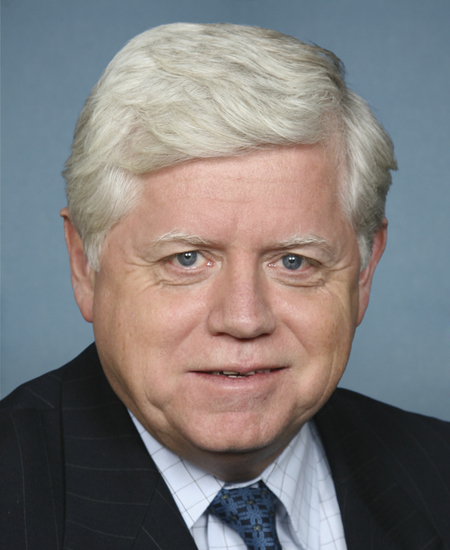
Rep. John B. Larson
Sponsored bills
Give Kids a Chance Act of 2025 This bill expands the Food and Drug Administration’s (FDA’s) authority with respect to research on rare pediatric diseases, including by permitting the FDA to take enforcement action against drug sponsors that fail to satisfy pediatric study requirements and by reauthorizing programs that support pediatric research. Specifically, the bill modifies requirements relating to molecularly targeted pediatric cancer investigations to permit research on new drugs in combination with active ingredients that have already been approved, provided certain conditions are met; permits the FDA to take enforcement action against drug sponsors that fail to comply with pediatric study requirements, if such sponsors demonstrated a lack of due diligence in satisfying the requirement; renews the FDA’s authority to award priority review vouchers to sponsors of new products intended to treat rare pediatric diseases through September 30, 2029; and reauthorizes through FY2027 certain funding for the National Institutes of Health to support priority pediatric research. The bill also provides statutory authority for the FDA’s interpretation of the orphan drug exclusivity period. The bill specifies, consistent with FDA regulations, that the seven-year market exclusivity period for drugs for rare diseases or conditions (i.e., orphan drugs) prohibits the approval of the same drug for the same approved use or indication with respect to the disease or condition. (In Catalyst Pharmaceuticals, Inc. v. Becerra , a court rejected the FDA’s interpretation and held that orphan drug exclusivity extends to all uses or indications for the disease or condition.)
Maddy summaryThis bill creates a new loan forgiveness program for public service workers with federal student loans taken out after its enactment. It provides 15% forgiveness after 24 months of qualifying public service employment, with additional 15% increments at 48, 72, and 96 months, totaling 100% forgiveness after 120 months (10 years) of service. Only borrowers with new federal Direct Loans made after the bill passes qualify, and the bill simplifies employment certification through self-certification forms or automatic verification. Interest accrued during the application process is also canceled.
Maddy summaryThis bill expands Medicare's drug price negotiation program to cover 50 drugs (up from 20) and requires health insurers to apply negotiated prices to cost-sharing for beneficiaries. It establishes annual out-of-pocket cost-sharing limits for prescription drugs under group health plans and insurance coverage, with specific limits of $2,000 for self-only coverage in 2027 that will increase annually. The bill also sets specific cost-sharing limits for insulin products, requiring coverage with no deductible and cost-sharing of no more than $35 per 30-day supply or 25% of the negotiated price. These provisions affect Medicare beneficiaries, people with group health plans, and health insurers across the country. The bill applies to plan years beginning on or after January 1, 2027.
Maddy summaryHR 6181, the John Lewis Every Child Deserves a Family Act, prohibits child welfare agencies receiving federal funds from discriminating against children, youth, or prospective foster/adoptive parents based on religion, sex (including sexual orientation and gender identity), or marital status. It directly affects LGBTQ youth in foster care - overrepresented at 30% of the system - who face higher risks of trauma, group home placements, and suicide attempts compared to non-LGBTQ peers. Key provisions require agencies to collect data on sexual orientation and gender identity, establish a National Resource Center for LGBTQ youth support, provide cultural competency training, and eliminate discriminatory practices. The law aims to improve safety, permanency, and placement stability by expanding access to family-based care and ensuring equitable services for all children in the system.
Maddy summaryThis bill (HR 6015) ensures existing labor agreements between the Department of Veterans Affairs (VA) and employee unions remain in full effect through their scheduled terms. It also cancels two executive orders (14251 and 14343) that previously excluded VA from standard federal labor-management programs. The bill directly affects VA employees and their unions by preserving current collective bargaining rights and requiring VA to follow standard federal labor rules. It does not change veterans' benefits or healthcare access; it only modifies VA's internal labor relations procedures. This is a procedural bill focused on labor-management processes, not direct policy changes for veterans.
Maddy summaryThis bill establishes fairer pay and retirement benefits for federal firefighters. It requires that overtime hours worked during a firefighter's regular schedule be included in retirement calculations, improving retirement payouts. The bill also sets a maximum 60-hour regular workweek for federal firefighters, to be defined by the Office of Personnel Management within one year. These changes directly affect federal firefighters by addressing pay disparities with municipal firefighters and enhancing recruitment and retention.
Maddy summaryThe Global Respect Act (HR 6151) requires the U.S. President to publicly list foreign officials responsible for severe human rights violations against LGBTQI individuals, including torture, prolonged detention, or violence based on sexual orientation or gender identity. It mandates denying visas and entry to listed individuals and requires annual reports on the list's updates and impacts. The bill also directs the State Department to track global violence against LGBTQI people and update annual human rights reports to include discrimination based on sexual orientation or gender identity. These provisions directly affect foreign government officials and entities implicated in such abuses, aiming to increase accountability through U.S. visa restrictions.
Maddy summaryHR 6124, the "End Rent Fixing Act of 2025," prohibits rental property owners and coordinators from sharing or analyzing rental data to set prices or lease terms across multiple properties. It bans any "coordinating function" (such as collecting and processing rental data to recommend prices or occupancy levels to multiple owners) and makes agreements with coordinators unlawful under antitrust laws. The bill directly affects rental property owners (including individuals, corporations, and property management entities) who engage in coordinated rent-setting practices. Enforcement will be handled by the Federal Trade Commission, the Attorney General, and state attorneys general under existing antitrust laws, with private lawsuits allowed for affected renters seeking triple damages.
Maddy summaryHR 6069, the RIDER Safety Act, directs federal funding for unarmed "transit support specialists" on public transit systems. These specialists are defined as staff who enhance rider safety through presence, engagement, and de-escalation - monitoring stations/vehicles, assisting riders, reporting threats, resolving minor conflicts, and connecting patrons to crisis services without police involvement. The bill amends federal transit grant rules to specifically allow operational funds for these roles, separate from traditional crime prevention funding. It directly affects public transit systems receiving federal grants under Sections 5338 or 5307, enabling them to hire and deploy this new type of safety personnel.