

Maddy summaryThis Senate Resolution expresses support for consumer choice in Ohio's automotive market by opposing government mandates that would require the transition to all-electric vehicles. The bill argues that such mandates would harm consumers by limiting affordable options, threaten jobs in the internal combustion engine sector, and strain the state's electricity infrastructure. It urges the Biden Administration to ensure federal regulations do not directly or indirectly force the purchase of electric vehicles. The resolution is a symbolic statement of principle rather than a law that creates new rules or penalties.
Sponsored bills
Maddy summaryThis bill updates the state's Aeronautics Law to formally include seaplane bases, heliports, vertiports, and spaceports alongside traditional airports. It requires the Department of Transportation to review and approve plans for these facilities before they are used for commercial purposes, ensuring safety and preventing exclusive operating agreements that could limit public access. The legislation also mandates that pilots operating aircraft within the state must hold a valid federal license and carry it during flights, with penalties established for violations. Additionally, the bill clarifies definitions for various aviation terms and outlines procedures for appealing departmental decisions regarding facility approvals.
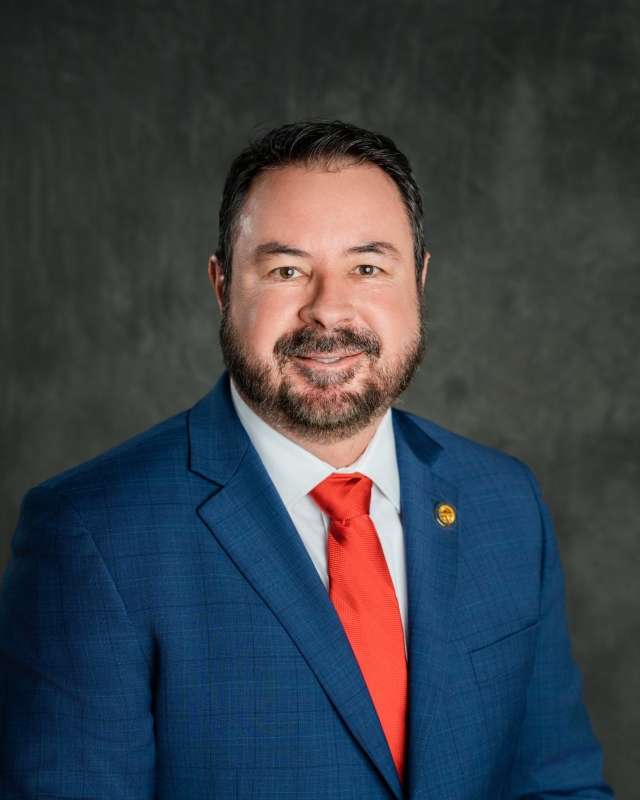
Maddy summaryThis bill is a Senate resolution that formally honors Michael A. Rulli for his service as a member of the Ohio Senate. It recognizes his leadership roles, including his committee chairmanships and his work representing constituents in Columbiana and Mahoning counties. The resolution commends his professional achievements and expresses good wishes for his future, with a copy of the document to be sent to him by the Senate Clerk.
Maddy summarySB 276 updates the rules for the state's rural business growth program by defining specific eligibility requirements and investment criteria for businesses seeking tax credits. The bill establishes new definitions for terms like "rural business concern" and "operating company," which restricts funding to smaller businesses in counties with populations under 200,000 while excluding certain industries such as gambling facilities and publicly traded companies. It also sets strict conditions for investments, requiring that debt instruments have a minimum five-year maturity and that loans be made only after a business has been denied similar financing by a commercial bank. Additionally, the legislation creates a tiered system based on county population size to categorize rural areas and adjusts the employee residency thresholds for businesses located in border counties.
Maddy summaryThis bill prohibits foreign nationals from directly or indirectly funding political campaigns, ballot issues, or election-related communications within the state. It also bars state political entities from accepting or using money from foreign nationals for these purposes and makes it illegal for anyone to knowingly help facilitate such transactions. Violations of these rules carry criminal penalties, including fines and potential jail time, with the attorney general responsible for investigating and prosecuting cases.
Maddy summaryThis bill, known as the Second Amendment Financial Privacy Act, prohibits financial institutions in Ohio from requiring merchants to use special payment codes that identify them as firearms or ammunition retailers. It prevents banks and payment processors from refusing to process credit or debit card transactions solely because a merchant sells guns or ammo. While financial institutions can still decline transactions for fraud, legal compliance, or customer requests, the law specifically bars them from using merchant category codes to distinguish firearm sellers from other businesses. The bill also establishes enforcement measures where the Attorney General can issue notices and seek court injunctions against any entity that violates these privacy protections.
Maddy summarySB 89 ratifies the Cosmetology Licensure Compact, allowing Ohio-licensed cosmetologists to practice in other member states without obtaining separate licenses for each location. The bill establishes a multistate licensing system where professionals holding a single license in their home state can work across participating states while maintaining oversight from their original licensing authority. To ensure public safety, the compact includes provisions for sharing disciplinary records, conducting background checks, and setting uniform standards for competency exams and background investigations. This framework aims to increase workforce mobility and support military families who relocate frequently, while still protecting consumers through coordinated regulation among member states.