

Maddy summaryHB 164 establishes a Foster-to-College Scholarship Program in Ohio to provide financial aid to students who entered foster care or noncertified kinship care after their thirteenth birthday. The bill also requires the Department of Education to hire a full-time school foster care liaison to help keep these students in their original schools or ensure a smooth transition to a new school when necessary. The scholarship covers the remaining cost of attendance at a college or university after subtracting all other federal, state, and private financial aid the student receives. Private colleges may choose not to participate in the program, and the funds are paid directly to the educational institution where the student is enrolled.
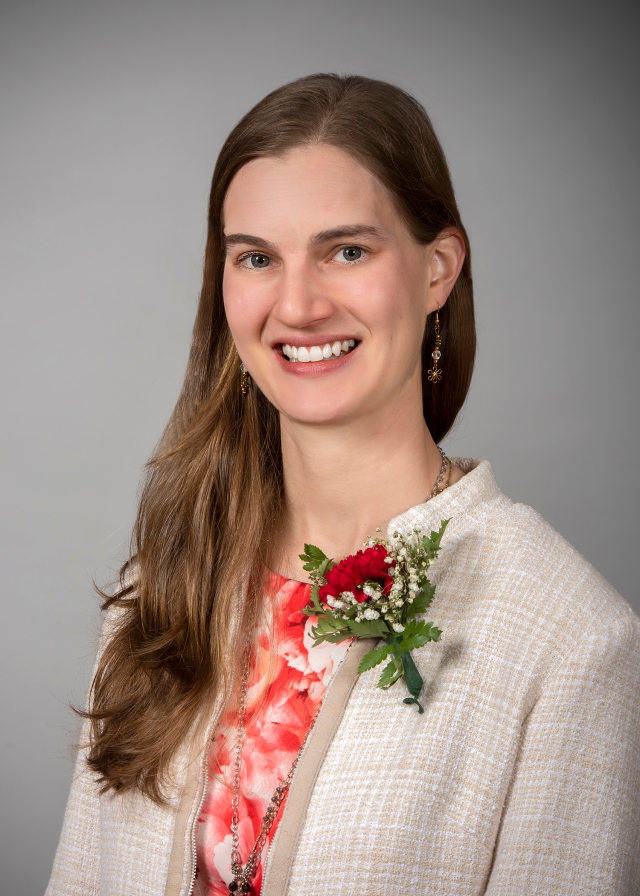
Rep. Sarah Fowler Arthur
Sponsored bills
Maddy summaryThis bill is a commemorative resolution honoring Jacob J. Derbin, a veteran and Euclid Police Department officer who passed away. It formally expresses the Ohio House of Representatives' condolences to his family and acknowledges his service and character. The resolution directs the House Clerk to send an official copy of the document to Derbin's family as a gesture of respect.
Maddy summaryThis bill is a commemorative resolution honoring the life and public service of Ronald Mottl, Sr., who recently passed away. It formally expresses the House of Representatives' condolences to his family and acknowledges his significant contributions as a politician, educator, and community leader in Ohio. The measure directs the Clerk of the House to send an official copy of the resolution to Mottl's family as a tribute to his legacy.
Maddy summaryHB 232 amends Ohio law to establish a "Historical and Patriotic Education" specialty license plate, allowing vehicle owners to contribute funds to support various causes. The bill directs money collected from this plate to a wide range of organizations, including groups focused on cancer research and patient care, autism awareness, disability support, and youth scholarship programs. Additionally, the legislation allocates funds to specific universities to provide scholarships for Ohio residents attending those institutions. Motor vehicle registrants who choose this plate will directly fund these designated initiatives through their registration fees.
Maddy summaryThis bill prohibits foreign nationals from directly or indirectly funding political campaigns, ballot issues, or election-related communications within the state. It also bars state political entities from accepting or using money from foreign nationals for these purposes and makes it illegal for anyone to knowingly help facilitate such transactions. Violations of these rules carry criminal penalties, including fines and potential jail time, with the attorney general responsible for investigating and prosecuting cases.
Maddy summaryHB 305 amends several Ohio Revised Code sections to update definitions and restrict how public funds can be used by local governments and legal aid organizations. The bill clarifies what constitutes a "political subdivision" and prohibits these entities from using taxpayer money to publish content that supports political candidates, promotes illegal activities, or engages in electioneering. Additionally, it limits legal aid funds to specific services for indigent clients and bars their use in criminal or fee-generating cases. The legislation also introduces new rules for public depositories, requiring them to notify governing boards if they are involved in federal regulatory corrective actions.
Maddy summaryHB 545 amends state laws to regulate the practice of certified nurse-midwives, certified midwives, and licensed midwives. The bill requires hospitals to establish public standards for granting staff membership and professional privileges, explicitly prohibiting discrimination against qualified midwives based on their licensure. For hospitals offering maternity services, the legislation mandates that midwives must have a collaborating physician on the medical staff who holds obstetrics privileges. Additionally, the bill defines specific nursing roles and clarifies that hospitals are not required to provide services for mental health disorders or other areas outside their current capabilities.