

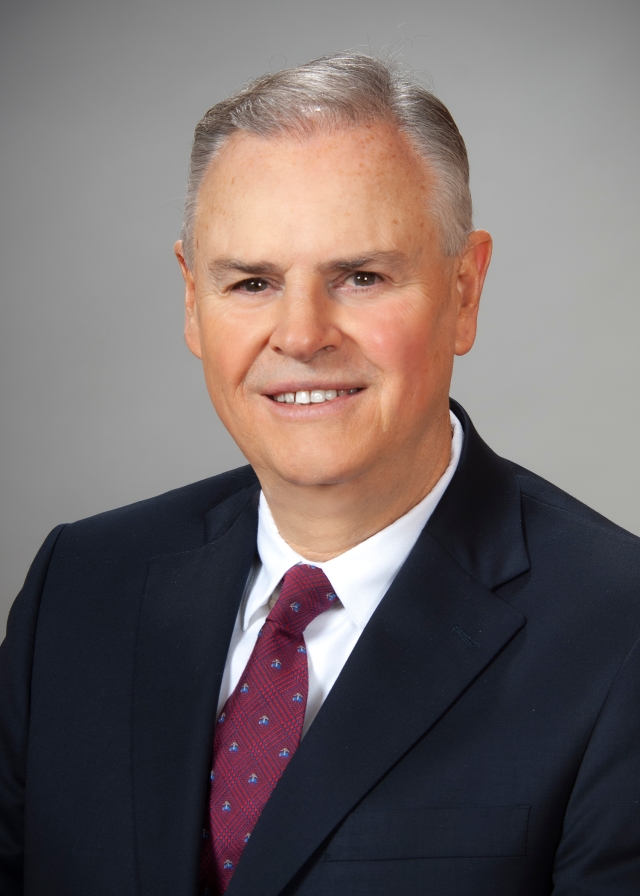
Maddy summaryThis bill formally honors Casey Weinstein, a former member of the Ohio House of Representatives, for his service to the state and his constituents in Summit County. The resolution recognizes his background as a United States Air Force Academy graduate and his work on various committees, including those focused on veterans' affairs and technology. It expresses the legislative body's appreciation for his dedication and directs the House Clerk to send an official copy of the commendation to him.
Sponsored bills
Maddy summaryThis bill formally recognizes Jena Powell for her service as a member of the Ohio House of Representatives. It directs the Clerk of the House to send an official copy of the resolution to her as a gesture of appreciation. The measure does not change any laws or policies but serves as a commemorative acknowledgment of her legislative work and leadership in Miami and Darke Counties.
Maddy summaryThis bill formally recognizes Elliot Forhan for his distinguished service as a member of the Ohio House of Representatives. It designates him as an esteemed representative and directs the House Clerk to send an official copy of the resolution to him. The measure serves as a commemorative gesture honoring his legislative work and community leadership rather than enacting new laws or policies.
Maddy summaryThis bill formally recognizes Mike Loychik for his distinguished service as a member of the Ohio House of Representatives. It honors his background as a U.S. Air Force veteran, business owner, and community leader who served constituents in Trumbull, Ashtabula, and Knox counties. The resolution commends his work on various committees and his leadership roles, including co-chairing the Sportsmen's Caucus for Ohio. Finally, it directs the House Clerk to send an official copy of this commendation to Loychik.
Maddy summaryHB 602 exempts home education learning pods from county and township zoning restrictions that would otherwise limit where they can be located. The bill prevents local zoning boards from imposing extra rules specifically targeting these groups, though it maintains the requirement that properties must still meet general zoning standards applicable to all buildings. Additionally, the legislation updates definitions within child care regulations to clarify terms such as "child care," "child day camp," and "chartered nonpublic school." These changes directly affect families organizing home education pods and local governments responsible for zoning and child care oversight.
Maddy summaryHB 70 requires all public and private schools to create policies governing the administration of both prescription and over-the-counter drugs to students. For prescription medications, the bill mandates that schools establish clear rules on which staff members are authorized to administer drugs and sets strict requirements for parental consent, detailed medical instructions from prescribers, and secure storage in locked areas. The legislation also provides legal protection for school employees who follow these approved policies, shielding them from civil liability unless they act with gross negligence. Additionally, the bill gives schools the flexibility to decide whether their staff can administer over-the-counter medications and whether they require parental permission to do so.
Maddy summaryThis bill increases the legal penalties for repeat offenders convicted of voyeurism. It specifically targets individuals who secretly record others in private settings, such as through cameras or phones, to view their private areas or undergarments. Under the new provisions, a person caught spying on someone for the second or third time would face felony charges instead of the current misdemeanor penalties. The law also maintains stricter punishments for recording minors and filming through clothing, ensuring these actions remain serious offenses.
Maddy summaryHB 397 requires the Department of Health to partner with the Department of Aging and community groups to expand public education on cognitive impairment, Alzheimer's disease, and dementia. These educational efforts aim to inform healthcare providers and the general public about early warning signs, risk reduction strategies, the importance of timely diagnosis, and available assessment tools. The bill specifically highlights the need to address disparities among diverse cultural, ethnic, and socioeconomic groups and emphasizes the role of annual physicals for those aged sixty-five and older in maintaining cognitive health. By integrating this awareness into existing public health outreach, the legislation seeks to improve early detection and promote healthier lifestyles for all communities.
Maddy summaryHB 671, titled the America First Act, amends Ohio's criminal sentencing laws to allow judges to impose community control sanctions on individuals convicted of certain driving under the influence offenses. This bill affects courts, probation departments, and offenders facing fourth-degree or higher felony OVI charges by giving judges the option to add community control to mandatory prison time or fines. Under the new provisions, offenders must adhere to strict conditions such as random drug testing, staying within the state, and avoiding drug use, with supervision provided by county probation departments or the adult parole authority. The legislation also establishes a reporting system where program administrators must notify courts or probation officers immediately if an offender violates any conditions or leaves the jurisdiction without permission.
Maddy summaryHB 328 amends state laws to specifically address the theft of catalytic converters by elevating such offenses from general theft to a distinct felony charge. The bill mandates that stealing a catalytic converter is automatically classified as a fifth-degree felony, with the severity increasing to a fourth-degree felony if the offender has a prior conviction for catalytic converter theft. Additionally, the legislation imposes specific fines ranging from $10,000 to $50,000 for business entities involved in these thefts and directs that these fines be paid to local law enforcement agencies. By creating these targeted penalties, the bill aims to provide stricter legal consequences for individuals and companies stealing these vehicle parts.