

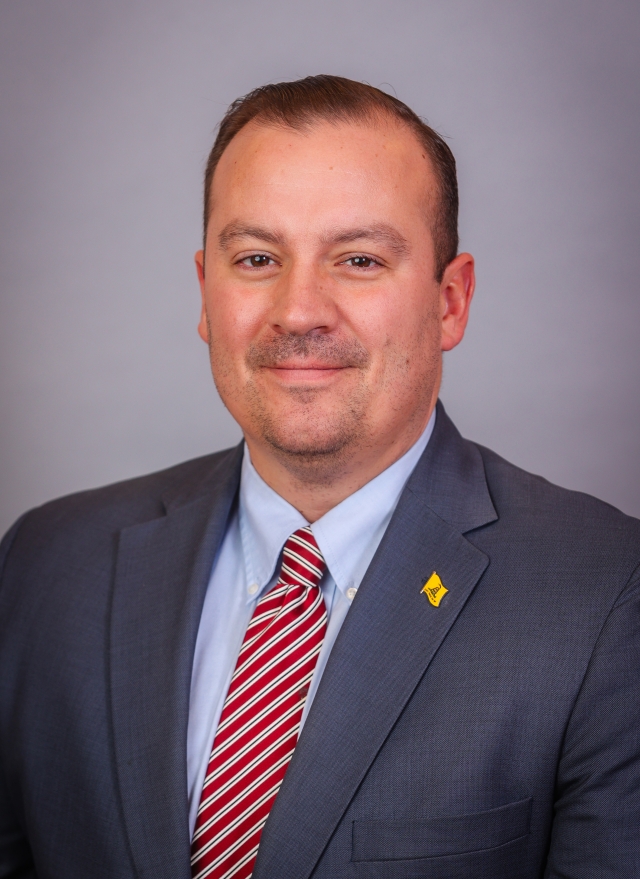
Maddy summaryThis bill formally recognizes Mike Loychik for his distinguished service as a member of the Ohio House of Representatives. It honors his background as a U.S. Air Force veteran, business owner, and community leader who served constituents in Trumbull, Ashtabula, and Knox counties. The resolution commends his work on various committees and his leadership roles, including co-chairing the Sportsmen's Caucus for Ohio. Finally, it directs the House Clerk to send an official copy of this commendation to Loychik.
Sponsored bills
Maddy summaryHB 602 exempts home education learning pods from county and township zoning restrictions that would otherwise limit where they can be located. The bill prevents local zoning boards from imposing extra rules specifically targeting these groups, though it maintains the requirement that properties must still meet general zoning standards applicable to all buildings. Additionally, the legislation updates definitions within child care regulations to clarify terms such as "child care," "child day camp," and "chartered nonpublic school." These changes directly affect families organizing home education pods and local governments responsible for zoning and child care oversight.
Maddy summaryThis bill designates a specific stretch of State Route 2 in Ottawa County as the "Cpl. Robert Dockstader Memorial Highway" to honor a fallen soldier. The legislation requires that the eastbound and westbound lanes between mile markers 117 and 122 carry this new name. Additionally, it authorizes the state transportation director to install signs along the road to display the memorial title.
Maddy summaryHB 684 proposes to ban the use of ranked choice voting for all elections in the state, including federal, state, and local offices. The bill defines ranked choice voting as a system where voters rank candidates by preference and ballots are counted in multiple rounds until a winner is determined. If passed, this legislation would prevent election officials from using this alternative voting method in any future elections within the jurisdiction.
Maddy summaryHB 390 updates the rules for handling leftover money from property foreclosure sales in Ohio. When a sale generates more money than needed to pay debts, the court clerk must notify the property owner about the surplus balance. The bill establishes specific mailing procedures and timelines for delivering these notices, depending on whether the balance is large or small and whether the owner's address is known. If the owner does not claim the funds within a set period, the money is treated as unclaimed property and handled according to existing state laws.
Maddy summaryHB 349 creates a program called EnergizeOhio to encourage the development of natural gas pipelines and related infrastructure by offering two main types of support to local governments and development organizations. First, it allows municipalities and counties to request that specific areas be designated as incentive zones, which would exempt up to 75% of qualifying property within those zones from certain taxes if the director determines that a lack of natural gas infrastructure is hurting local economic growth. Second, the bill establishes a loan fund that can provide interest-free loans for up to five years to help eligible entities purchase or lease land easements for building these pipelines, with the expectation that the loans will be repaid using revenue from selling or leasing those easements. Local governments must apply for these designations and loans, and the director of development is responsible for reviewing applications, making decisions, and managing the fund.
Maddy summaryThis bill prohibits state agencies and local government units from using public money to buy U.S. or Ohio flags that were not manufactured in the United States. It directly affects government entities such as county offices, townships, and municipal corporations by restricting their purchasing choices for these specific flags. The law requires that any flag acquired with taxpayer funds must be produced domestically, ensuring that the purchase supports U.S. manufacturing.
Maddy summaryHB 685 allows Ohio taxpayers to claim a state income tax deduction specifically for overtime wages. This provision directly affects employees who earn extra pay for working beyond their standard hours and are subject to state income tax. The bill modifies the state tax code to treat these overtime earnings similarly to how they are handled for federal tax purposes, ensuring they can be deducted from taxable income. By aligning the treatment of overtime wages with federal standards, the legislation aims to reduce the state tax burden on workers receiving such compensation.
Maddy summaryHB 370 clarifies the Ohio Department of Transportation's authority and responsibilities regarding state highways located within cities and villages. The bill grants the Director of Transportation broad powers to alter, construct, and maintain these roads, including the ability to purchase or appropriate land for improvements like bridges, bike paths, and drainage systems. It also allows the department to acquire property in the name of the state or, in specific cases involving railroads and utilities, directly in the name of those entities. Furthermore, the legislation explicitly states that the state has no mandatory duty to repair state highways inside municipal limits unless the local government requests and approves the work.
Maddy summaryThis bill designates the walleye as the official state fish, a symbolic honor that does not change any laws or regulations. The legislation directly affects the state by formally recognizing the walleye in official records and documents. It does not alter fishing rules, create new programs, or allocate funding, serving only as a commemorative measure.