

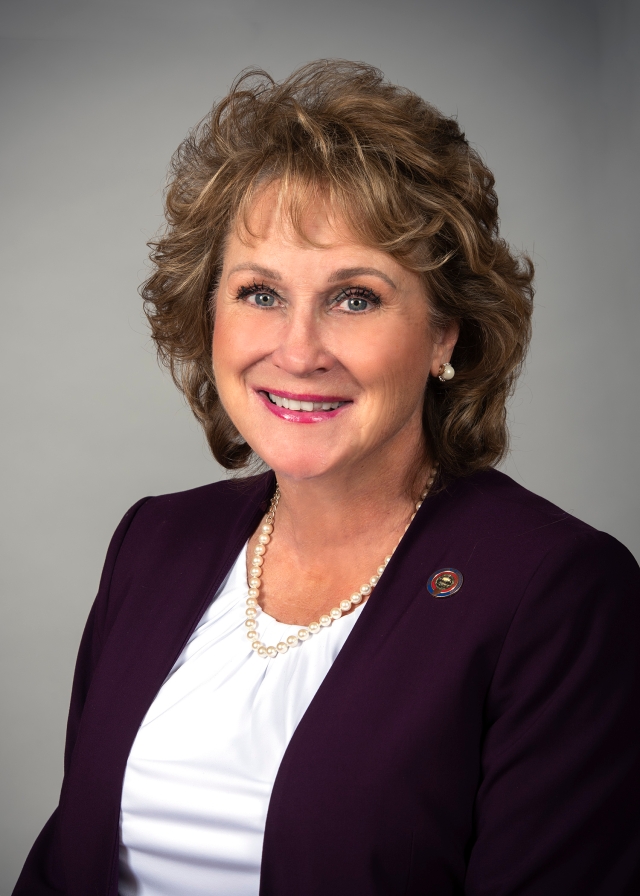
Photo of Gail Pavliga
R Ohio House · District 72

Rep. Gail Pavliga

Contact Email
Compare
Total votes
1,247
all sessions
Attendance
97%
30 missed
Near the chamber average
With party
98%
of cast votes
Near the chamber average
Bipartisan score
1%
crosses aisle rarely
Near the chamber average
Sponsored
378
bills & resolutions
Higher than 82% of chamber peers
Committees
0
assignments
378 bills and resolutions

Sponsored bills

Total
378
Primary
116
Co-sponsor
262
This page
378
matching current filters
Co-sponsor HB 1
Passed · Ohio House · Co-sponsor
Modify Campaign Finance Law re: foreign nationals, state issues

Maddy summaryThis bill prohibits foreign nationals from directly or indirectly funding political campaigns, ballot issues, or election-related communications within the state. It also bars state political entities from accepting or using money from foreign nationals for these purposes and makes it illegal for anyone to knowingly help facilitate such transactions. Violations of these rules carry criminal penalties, including fines and potential jail time, with the attorney general responsible for investigating and prosecuting cases.

Passed May 31, 2024 1 co-sponsor
Co-sponsor HB 271
Passed · Ohio House · Co-sponsor
Number state ballot issues consecutively based on prior election

Maddy summaryThis bill amends election laws to ensure that state ballot questions are numbered consecutively based on the sequence from the previous election, resetting to number one once the count reaches 500. It also establishes a specific order for grouping local issues on ballots, such as county and municipal questions, and requires that the percentage of votes needed to pass each measure be clearly printed. Additionally, the legislation mandates that full text for ballot proposals be posted at polling places if a condensed version appears on the ballot itself. These changes aim to standardize how voters see and number ballot measures while ensuring transparency about voting requirements.

Passed May 28, 2024 1 co-sponsor
Co-sponsor HB 305
Passed · Ohio House · Co-sponsor
Regards electronic filing of court documents; computerization

Maddy summaryHB 305 amends several Ohio Revised Code sections to update definitions and restrict how public funds can be used by local governments and legal aid organizations. The bill clarifies what constitutes a "political subdivision" and prohibits these entities from using taxpayer money to publish content that supports political candidates, promotes illegal activities, or engages in electioneering. Additionally, it limits legal aid funds to specific services for indigent clients and bars their use in criminal or fee-generating cases. The legislation also introduces new rules for public depositories, requiring them to notify governing boards if they are involved in federal regulatory corrective actions.

Passed May 22, 2024 1 co-sponsor
Co-sponsor HB 385
In committee · Ohio House · Co-sponsor
Allow human trafficking victim to expunge certain records

Maddy summaryHB 385 allows individuals convicted of crimes while being victims of human trafficking to apply for the expungement of their criminal records. The bill permits applicants to request relief for any offense except murder, requiring them to file a formal application with specific details and supporting evidence. A judge will hold a hearing to evaluate the request, considering factors such as the level of duress faced and the seriousness of the crime, before deciding whether to clear the record. If approved, the conviction will be treated as if it never occurred, and the applicant will be legally protected from having the record used in future background checks.

In committee May 22, 2024 1 co-sponsor
Co-sponsor HB 271
Passed · Ohio House · Co-sponsor
Number state ballot issues consecutively based on prior election

Maddy summaryHB 271 changes how ballot questions are numbered and organized on election ballots to ensure they follow a consistent sequence based on previous elections. The bill requires that state-level questions always appear at the top of the ballot, followed by county, municipal, township, and school district questions in a rotating order that shifts down one step each year. Additionally, it mandates that each question be numbered consecutively, starting with "1" for the top question, while resetting the count back to "1" once a state question reaches the number 500. This legislation also clarifies formatting rules, such as prohibiting bold text for property tax proposals and allowing condensed text summaries with full versions posted at polling places.

Passed May 22, 2024 1 co-sponsor
Co-sponsor HB 347
Passed · Ohio House · Co-sponsor
Presume certain vehicles for agricultural purposes re: sales tax

Maddy summaryHB 347 simplifies the process for farmers in Ohio to prove that certain vehicles and trailers are used for agricultural purposes, thereby exempting them from sales tax. Instead of relying on a generic exemption certificate, eligible farmers can verify their status by submitting copies of their federal Schedule F tax returns for the three most recent years to the tax commissioner. Once the commissioner issues an identification number based on these documents, farmers can present this number to vendors to automatically qualify for the tax exemption without needing additional proof. The bill also clarifies that vendors are generally relieved of tax liability if they accept a valid exemption certificate, except in cases involving fraud or specific misuse of the exemption. This change aims to reduce administrative burdens for agricultural businesses while maintaining oversight to prevent improper tax avoidance.

Passed May 22, 2024 1 co-sponsor
Primary HB 603
In committee · Ohio House · Lead sponsor
Allow a sheriff to report violations of community control

Maddy summaryHB 603 amends state law to allow sheriffs and deputy sheriffs to directly report violations of community control sanctions to the sentencing court or the relevant probation department. This bill primarily affects individuals sentenced to community control for certain fourth-degree felony OVI offenses and other third or fourth-degree felonies, as well as the law enforcement officers and agencies responsible for supervising them. The legislation establishes a reporting process where sheriffs must notify the court or probation officials if a person under these sanctions breaks the law, leaves the state without permission, or fails to meet other conditions. Additionally, the bill requires that offenders with drug-related offenses or suspected addictions receive professional assessments, and it sets a maximum duration of five years for these community control sanctions.

In committee May 21, 2024 0 co-sponsors
Showing 121 to 130 of 378 bills
Previous 1 … 12 13 14 … 38 Next