

Maddy summaryThis bill modifies the state's criminal justice procedures to allow individuals to request a new trial or postconviction relief if they present new evidence that would likely change the original verdict. It specifically mandates that courts hold resentencing hearings for offenders whose death sentences are overturned due to specific legal errors, intellectual disability findings, or changes in the law. Under the new rules, if a death penalty is vacated, the court must resentence the individual to life imprisonment or a term of at least thirty years, unless the person previously waived the right to parole. Additionally, the legislation requires the State Criminal Sentencing Commission to monitor the impact of these changes on local government costs and the state correctional system.
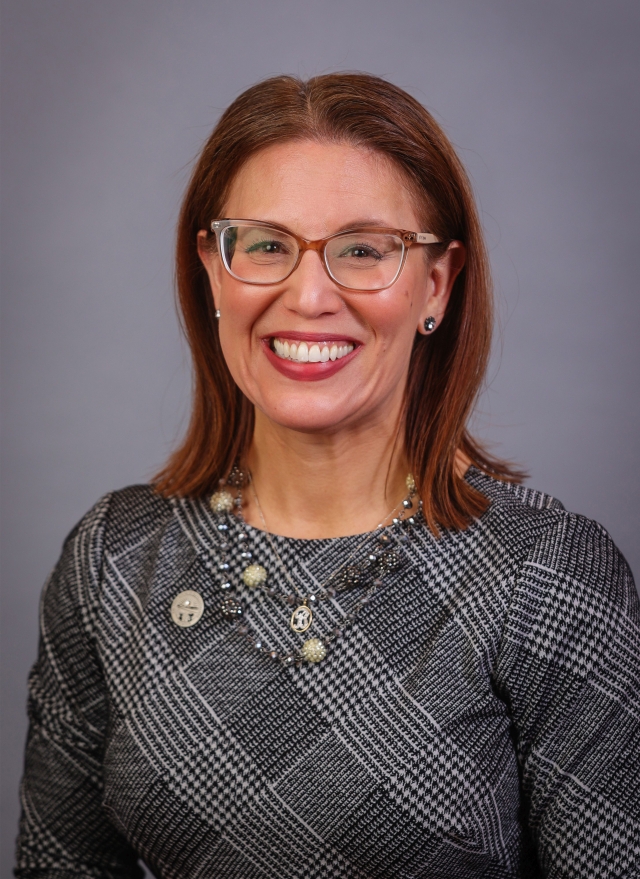
Rep. Beryl Piccolantonio
Sponsored bills
Maddy summaryHB 581 establishes a new oversight framework for community schools by requiring the Department of Education and Workforce to create a public online system that compares student performance data between these schools and their local districts or statewide averages. The bill also mandates that parents and guardians be informed of a community school's most recent state report card results when their child enrolls from a traditional district. Additionally, it restricts the department from sponsoring new community schools if a current sponsor chooses not to renew their contract or if the school is declared unauditable.
Maddy summaryThis bill establishes a new funding system for school bus transportation by defining specific metrics for student ridership and district density. It requires school districts to report their transportation data to the state department of education, which will then calculate statewide averages to determine a base payment for each district. The legislation creates a tiered funding formula that accounts for the number of students transported, the distance traveled, and the efficiency of bus usage relative to district size. Additionally, the bill sets a target number of students per bus for each district based on statewide median data adjusted for local density.
Maddy summaryHB 595, titled the Universal Preschool Act, directs the state Department of Education and Workforce to conduct surveys and hold meetings with school districts and education organizations to assess the feasibility of implementing universal preschool and all-day kindergarten programs. The bill requires the department to compile findings into a report detailing implementation challenges and estimated costs, which must be shared with legislative committees and state officials by March. While the legislation outlines a framework for these new programs, it does not currently appropriate specific funding, instead proposing a potential one-time grant if the legislature decides to provide it. Additionally, the bill allows school districts to request waivers from the new requirements through a public hearing process, with the state Board of Education having the final authority to approve or deny such requests. To help offset the costs associated with these initiatives and sports gaming enforcement, the act also increases the sports gaming tax rate for certain operators.
Maddy summaryThis bill creates a new state report card specifically for chartered nonpublic schools that accept state scholarship students, requiring the department of education to issue these cards annually by mid-September. To oversee the process, the legislation establishes a State Report Card Review Committee composed of legislators, educators, parents, business representatives, and other stakeholders to study existing report cards and suggest improvements. The committee must include members from diverse backgrounds, such as special education experts and representatives from urban, suburban, and rural districts, and will submit its findings to the legislature by June. Additionally, the bill mandates that all state report cards be posted in a prominent location on the department's website to ensure public access.
Maddy summaryThis bill increases criminal penalties for actions that disrupt elections, specifically targeting the intimidation of election officers. It directly affects individuals who attempt to interfere with election duties or obstruct the voting process. Under the new provisions, trying to intimidate an official or prevent them from working would be classified as a fifth-degree felony, while other disruptive acts like damaging election supplies or loitering to hinder the vote would remain first-degree misdemeanors. The legislation aims to provide stricter consequences for those who use force, fraud, or improper means to obtain ballots or destroy election materials.
Maddy summaryHB 525 amends state laws to increase penalties for assaulting school employees and volunteers, such as teachers, administrators, bus operators, and volunteers performing official duties like chaperoning students. The bill classifies such assaults as a felony of the fifth degree when they occur on school property, on school buses, or while the victim is engaged in school-related activities outside of school premises. This legislative change directly affects individuals who commit violent acts against those working in educational settings, ensuring they face stricter sentencing guidelines than under previous laws.
Maddy summaryThis bill requires health insurance plans in the state to cover prostate cancer screenings for men who are at least forty years old and considered high-risk. Eligibility for this coverage is based on having a family history of prostate cancer or a personal diagnosis of a genetic alteration linked to increased risk. The law mandates that these screenings, which include tests like prostate-specific antigen checks and digital rectal examinations, be provided without any cost-sharing requirements such as copayments or deductibles. Additionally, the state insurance superintendent must create specific rules to define the types of tests covered and ensure screenings occur at least once every year.
Maddy summaryHB 519 restores the Clean Ohio Fund and places its administration under the Department of Development and the newly re-established Clean Ohio Council. The bill defines key terms related to brownfield cleanup, such as "property," "cleanup or remediation," and "institutional property," to guide how the fund is used. It creates a nine-member council with representatives from counties, municipalities, businesses, environmental groups, and the public to oversee the fund's operations. This council will meet regularly to review eligible projects and manage the distribution of resources for cleaning up contaminated sites.