

Passed Dec 18, 2024
1 co-sponsor
Total votes
2,310
all sessions
Attendance
100%
8 missed
Near the chamber average
With party
98%
of cast votes
Near the chamber average
Bipartisan score
1%
crosses aisle rarely
Near the chamber average
Sponsored
601
bills & resolutions
Near the chamber average
Committees
5
assignments
601 bills and resolutions
Sponsored bills
Total
601
Primary
201
Co-sponsor
400
This page
601
matching current filters
Condemn People's Republic of China for global drug trade role
Maddy summaryThis resolution expresses the Ohio House of Representatives' condemnation of the People's Republic of China for its alleged role in the global drug trade, specifically regarding fentanyl smuggling. The measure cites claims that Chinese authorities tolerate money laundering and drug trafficking within their borders while failing to cooperate with U.S. investigations or apprehend key cartel leaders. It further asserts that the Chinese government provides financial incentives, such as tax rebates and special enterprise designations, to companies involved in producing and exporting fentanyl. Ultimately, the bill calls for the distribution of this resolution to federal officials and the media to highlight these accusations of destabilization.
Passed Dec 18, 2024
1 co-sponsor
Authorize enhanced homestead exemption for certain homeowners
Maddy summaryHB 274 expands property tax relief for homeowners in Ohio by creating a new enhanced homestead exemption for specific groups. The bill primarily affects disabled veterans, their surviving spouses, and the surviving spouses of public service officers killed in the line of duty, offering a tax reduction based on a $50,000 property value threshold. It also extends similar benefits to certain long-term homeowners, including those who are permanently disabled, sixty-five or older, or surviving spouses of disabled or elderly individuals who meet specific age and income criteria. The amount of tax reduction is calculated using a formula that considers the property's value, local assessment rates, and tax rates, with annual adjustments made by the tax commissioner to account for economic changes. This legislation aims to provide greater financial relief to these qualifying residents by reducing their real property taxes on their primary residences.
Passed Dec 17, 2024
1 co-sponsor
Express intent to increase accountability for group homes
Maddy summaryThis bill aims to increase accountability for group homes and other residential facilities by mandating stricter record-keeping and reporting for individuals with criminal histories. It requires facilities that house adults or children to collect and file detailed criminal identification data, such as fingerprints and photographs, for specific offenders and delinquent youth. Additionally, the bill instructs courts to submit weekly reports summarizing felony and violent offense cases involving minors to the state bureau. These changes are designed to centralize criminal history records and ensure that law enforcement and facility operators have accurate information to manage safety and supervision.
In committee Dec 17, 2024
0 co-sponsors
Regards unauthorized occupants of residential property
Maddy summaryHB 480 allows property owners to request immediate sheriff assistance to remove unauthorized occupants from their residential homes. To use this process, the owner must first send a written notice demanding the person leave and must confirm that the individual is not a current or former tenant, family member, or property owner. The bill also prohibits the sale or use of fraudulent deeds and declares an emergency to expedite the law's implementation. This legislation directly affects homeowners and county sheriffs by creating a specific legal pathway for clearing out squatters who entered the property without permission.
In committee Dec 11, 2024
1 co-sponsor
Include energy generated by nuclear reaction as green energy
Maddy summaryHB 308 introduces three main changes to state regulations. First, it updates oil and gas lease forms to require written agreements for surface land use and sets a one-eighth royalty rate for landowners. Second, the bill adjusts reimbursement limits for the broadband pole replacement and undergrounding program to ensure costs are covered efficiently. Finally, it expands the use of disposal fees from construction and demolition debris to fund health districts. These provisions directly affect state agencies, landowners, broadband providers, and waste management facilities.
Passed Dec 11, 2024
1 co-sponsor
Prohibit abuse of a companion animal corpse
Maddy summaryHB 351 amends state law to prohibit the mistreatment of companion animal corpses, specifically banning actions that would outrage reasonable community sensibilities. The bill defines "companion animals" to include pets kept in residential dwellings as well as all dogs and cats, while excluding livestock and wild animals. It establishes specific penalties for owners, caretakers, and kennel operators who negligently or knowingly fail to handle deceased pets with dignity, such as by burying or disposing of them in a respectful manner. The legislation includes exceptions for animals used in scientific research, lawful veterinary procedures, hunting dogs, and standard training practices. Additionally, the bill directs that fines collected for violations be distributed to the county humane society or law enforcement agency responsible for the investigation.
In committee Dec 11, 2024
1 co-sponsor
Regards SORN law compliance; add new sexually oriented offense
Maddy summaryThis bill strengthens the state's Sex Offender Registration and Notification (SORN) law by adding new offenses related to sexual conduct and clarifying rules for when offenders must register. It specifically defines a "sexually oriented offense" to include various crimes involving minors, sexual motivation, or age gaps between offenders and victims, ensuring these acts are treated as serious violations. Additionally, the legislation updates the SORN system to pause the registration clock if an offender fails to comply with their duties and requires correctional facilities to notify local sheriffs when transferring offenders who must register. The bill also expands protections for victims by establishing clearer guidelines for appointing victim representatives and ensuring that notices and rights are shared with both the victim and their designated representative.
Passed Dec 11, 2024
1 co-sponsor
Provide inmates with state ID cards, education documentation
Maddy summaryThis bill requires the state to issue identification cards to inmates in correctional facilities and juvenile detention centers upon their release. The Department of Rehabilitation and Correction and the Department of Youth Services will submit applications on behalf of these individuals to the Registrar of Motor Vehicles, ensuring they receive documentation of their work experience, education, and trade skills. The legislation mandates that these cards include specific personal details and allows for the inclusion of information regarding anatomical gift wishes, veteran status, and medical directives. By streamlining the application process for incarcerated individuals, the bill aims to facilitate their reintegration into society by providing necessary identification and educational records.
Passed Dec 11, 2024
1 co-sponsor
Enact Never Alone Act
Maddy summaryHB 236, known as the Never Alone Act, requires healthcare facilities like nursing homes and hospitals to allow patients and residents to have an advocate present with them during public health emergencies. The bill defines an advocate as a family member, legal guardian, or other designated individual who supports the patient's interests, while explicitly prohibiting advocates from interfering with medical care or engaging in misconduct. Facilities must inform patients of their right to choose an advocate upon admission and must grant access to the advocate unless the patient objects, the advocate violates rules, or the patient is in a group therapy session. This law ensures that vulnerable individuals in care settings can maintain a support system during crises without requiring facilities to hire professional advocates themselves.
Passed Dec 11, 2024
1 co-sponsor
Ask Maddy
·
AI policy assistant
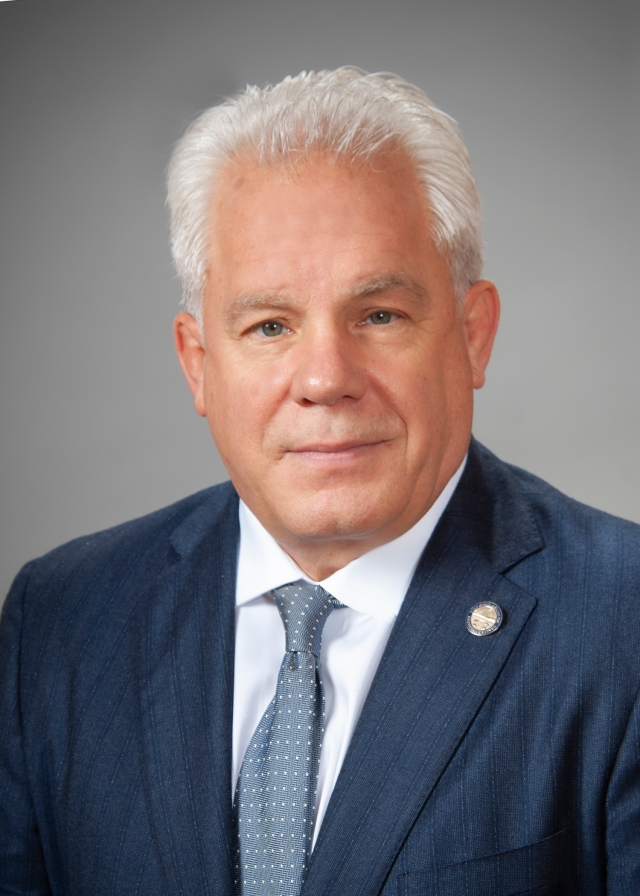
Ask Maddy about Phil Plummer
Scope: ohio
Hi! I can help you understand Phil Plummer's legislative record. What would you like to know?
Try one of these
i
Maddy answers using official bill text and legislative records. Always verify before sharing.
Sources cited inline