

Maddy summaryHB 349 creates a program called EnergizeOhio to encourage the development of natural gas pipelines and related infrastructure by offering two main types of support to local governments and development organizations. First, it allows municipalities and counties to request that specific areas be designated as incentive zones, which would exempt up to 75% of qualifying property within those zones from certain taxes if the director determines that a lack of natural gas infrastructure is hurting local economic growth. Second, the bill establishes a loan fund that can provide interest-free loans for up to five years to help eligible entities purchase or lease land easements for building these pipelines, with the expectation that the loans will be repaid using revenue from selling or leasing those easements. Local governments must apply for these designations and loans, and the director of development is responsible for reviewing applications, making decisions, and managing the fund.
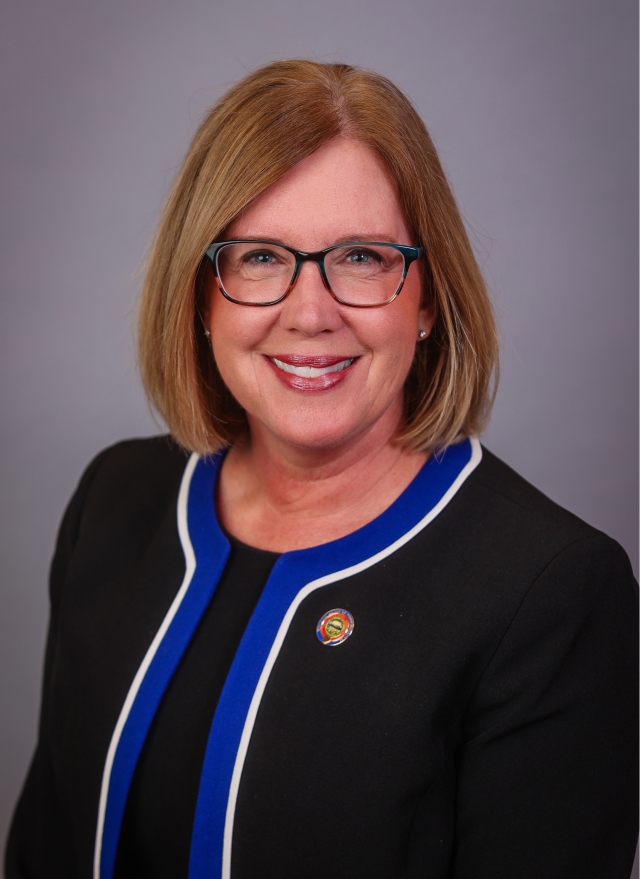
Sponsored bills
Maddy summaryThis bill prohibits state agencies and local government units from using public money to buy U.S. or Ohio flags that were not manufactured in the United States. It directly affects government entities such as county offices, townships, and municipal corporations by restricting their purchasing choices for these specific flags. The law requires that any flag acquired with taxpayer funds must be produced domestically, ensuring that the purchase supports U.S. manufacturing.
Maddy summaryHB 370 clarifies the Ohio Department of Transportation's authority and responsibilities regarding state highways located within cities and villages. The bill grants the Director of Transportation broad powers to alter, construct, and maintain these roads, including the ability to purchase or appropriate land for improvements like bridges, bike paths, and drainage systems. It also allows the department to acquire property in the name of the state or, in specific cases involving railroads and utilities, directly in the name of those entities. Furthermore, the legislation explicitly states that the state has no mandatory duty to repair state highways inside municipal limits unless the local government requests and approves the work.
Maddy summaryThis bill designates the walleye as the official state fish, a symbolic honor that does not change any laws or regulations. The legislation directly affects the state by formally recognizing the walleye in official records and documents. It does not alter fishing rules, create new programs, or allocate funding, serving only as a commemorative measure.
Maddy summaryHB 658 creates a new specialty license plate in Ohio for craft brewers, allowing vehicle owners to purchase the plate and contribute money to a designated fund. The bill directs these contributions to a wide variety of organizations, including health foundations focused on cancer and sickle cell disease, educational groups like 4-H and Future Farmers of America, and several universities that will award scholarships to Ohio residents. Additionally, the legislation allocates funds to support autism awareness, special Olympics programs, and research initiatives for childhood and brain cancers. By establishing this plate, the bill provides a mechanism for drivers to financially support these specific causes through their vehicle registration.
Maddy summaryThis bill is a commemorative resolution honoring the late Jo Ann Davidson, a former Ohio state legislator who served as the first female Speaker of the House. It formally expresses the House of Representatives' condolences to her family and acknowledges her significant contributions to Ohio public service and leadership. The resolution directs the Clerk to send an official copy of the document to Davidson's family as a gesture of respect.
Maddy summaryThis bill designates September as Veterans Suicide Awareness and Prevention Day to highlight the issue of suicide among military veterans. The legislation amends the state code to officially recognize this specific month for awareness and prevention efforts, replacing any previous designations. By establishing this annual observance, the bill aims to increase public focus on mental health resources and support systems for veterans. The change is administrative and does not alter existing funding or create new programs, serving primarily as a symbolic gesture to promote dialogue on the topic.
Maddy summarySB 156 amends the laws governing the designation and management of wild, scenic, and recreational rivers in Ohio. The bill primarily affects landowners, developers, and mining operations near these protected waterways by establishing specific buffer zones where surface and in-stream mining activities are prohibited. It sets strict distance limits from the highwater mark of designated rivers, ranging from 50 to 120 feet, depending on the size of the watershed the river drains. Additionally, the legislation clarifies that clearing snow or debris from undedicated roads in these areas does not constitute official approval of those roads by the township.
Maddy summarySB 168 establishes a statewide education management information system to centralize and standardize data collection across school districts. The bill requires districts to annually report detailed metrics on student performance, attendance, disciplinary actions, and graduation rates, alongside specific data on instructional and support services provided to students. To ensure privacy, the system must include strict safeguards to protect personally identifiable student information while allowing for the reporting of behavioral incidents without naming individuals. This legislation directly affects school administrators and state education officials by mandating new reporting guidelines and data standards that take effect on October 24, 2024.
Maddy summarySB 94 updates the laws governing how county recorders handle real estate documents, fees, and public access to records. The bill clarifies that recorders must log the precise time instruments are received and gives them the authority to refuse recording documents they reasonably believe are fraudulent or unauthorized, while also allowing individuals to seek court orders if their documents are wrongly rejected. It mandates that counties provide electronic methods for recording property deeds and other instruments by June 2025, requiring free public access to electronic indexes and document copies with optional password protection. Additionally, the legislation establishes specific fee structures for recording and certifying documents, including a surcharge intended to fund the preservation and digitization of public records.