

Maddy summaryHB 537 prohibits suppliers from advertising a price for goods or services that excludes mandatory fees, requiring instead that the final cost be displayed clearly. The law defines mandatory fees as taxes and delivery charges, though it explicitly exempts financial transactions, broadband internet services, and food delivery platforms from this requirement. Additionally, the bill does not apply to motor vehicle pricing based on manufacturer suggestions or air transportation. Violations of this rule are classified as unconscionable acts in consumer transactions.
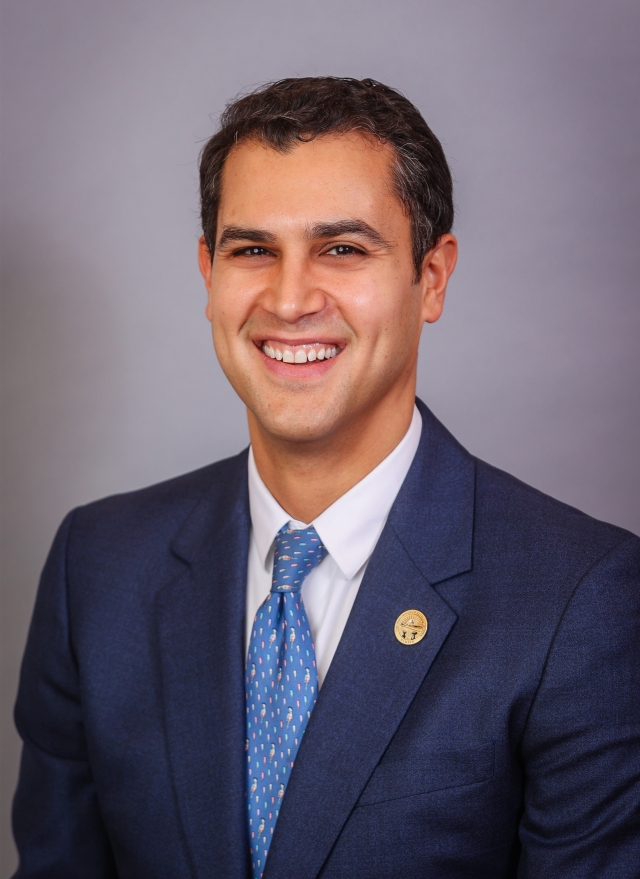
Rep. Dani Isaacsohn
Sponsored bills
Maddy summaryHB 570 expands eligibility for publicly funded child care in Ohio to include child care staff members, alongside other groups such as recipients of transitional care and families earning up to fifty percent of the federal poverty line. The bill designates the Department of Job and Family Services as the lead agency responsible for administering these programs and coordinating funding from both state and federal sources. Key provisions include setting reimbursement rates for providers based on factors like location and hours of operation, establishing a registry for child care providers, and requiring timely eligibility determinations within thirty days. Additionally, the legislation mandates that federal funds be used to supplement rather than replace existing state and local resources while encouraging the development of child care options in areas with high concentrations of low-income families.
Maddy summaryHB 524, known as the Ohio Fairness Act, aims to prohibit discrimination based on sexual orientation or gender identity in areas such as employment, housing, and public accommodations. The bill expands the definition of "person" and "employer" to include a wide range of entities and individuals, ensuring broader coverage under state civil rights laws. It also adds mediation as an informal dispute resolution method available to the Ohio Civil Rights Commission. Additionally, the legislation explicitly preserves existing religious exemptions within Ohio's Civil Rights Law, maintaining protections for religious organizations and individuals.
Maddy summaryThis bill modifies the state's criminal justice procedures to allow individuals to request a new trial or postconviction relief if they present new evidence that would likely change the original verdict. It specifically mandates that courts hold resentencing hearings for offenders whose death sentences are overturned due to specific legal errors, intellectual disability findings, or changes in the law. Under the new rules, if a death penalty is vacated, the court must resentence the individual to life imprisonment or a term of at least thirty years, unless the person previously waived the right to parole. Additionally, the legislation requires the State Criminal Sentencing Commission to monitor the impact of these changes on local government costs and the state correctional system.
Maddy summaryHB 581 establishes a new oversight framework for community schools by requiring the Department of Education and Workforce to create a public online system that compares student performance data between these schools and their local districts or statewide averages. The bill also mandates that parents and guardians be informed of a community school's most recent state report card results when their child enrolls from a traditional district. Additionally, it restricts the department from sponsoring new community schools if a current sponsor chooses not to renew their contract or if the school is declared unauditable.
Maddy summaryHB 595, titled the Universal Preschool Act, directs the state Department of Education and Workforce to conduct surveys and hold meetings with school districts and education organizations to assess the feasibility of implementing universal preschool and all-day kindergarten programs. The bill requires the department to compile findings into a report detailing implementation challenges and estimated costs, which must be shared with legislative committees and state officials by March. While the legislation outlines a framework for these new programs, it does not currently appropriate specific funding, instead proposing a potential one-time grant if the legislature decides to provide it. Additionally, the bill allows school districts to request waivers from the new requirements through a public hearing process, with the state Board of Education having the final authority to approve or deny such requests. To help offset the costs associated with these initiatives and sports gaming enforcement, the act also increases the sports gaming tax rate for certain operators.
Maddy summaryHB 541 amends state labor laws to require school employees to report suspected violations involving minors under sixteen years of age. The bill also mandates that employers maintain accurate lists of minor employees and provides enforcement officials with the authority to verify the age of workers who appear to be under eighteen. Key provisions include creating a dedicated enforcement fund to hire staff, increasing penalties for violations, and allowing for the detention of minors who refuse to provide their age and residence information to officials.
Maddy summaryThis bill requires health insurance plans in the state to cover prostate cancer screenings for men who are at least forty years old and considered high-risk. Eligibility for this coverage is based on having a family history of prostate cancer or a personal diagnosis of a genetic alteration linked to increased risk. The law mandates that these screenings, which include tests like prostate-specific antigen checks and digital rectal examinations, be provided without any cost-sharing requirements such as copayments or deductibles. Additionally, the state insurance superintendent must create specific rules to define the types of tests covered and ensure screenings occur at least once every year.
Maddy summaryHB 519 restores the Clean Ohio Fund and places its administration under the Department of Development and the newly re-established Clean Ohio Council. The bill defines key terms related to brownfield cleanup, such as "property," "cleanup or remediation," and "institutional property," to guide how the fund is used. It creates a nine-member council with representatives from counties, municipalities, businesses, environmental groups, and the public to oversee the fund's operations. This council will meet regularly to review eligible projects and manage the distribution of resources for cleaning up contaminated sites.