

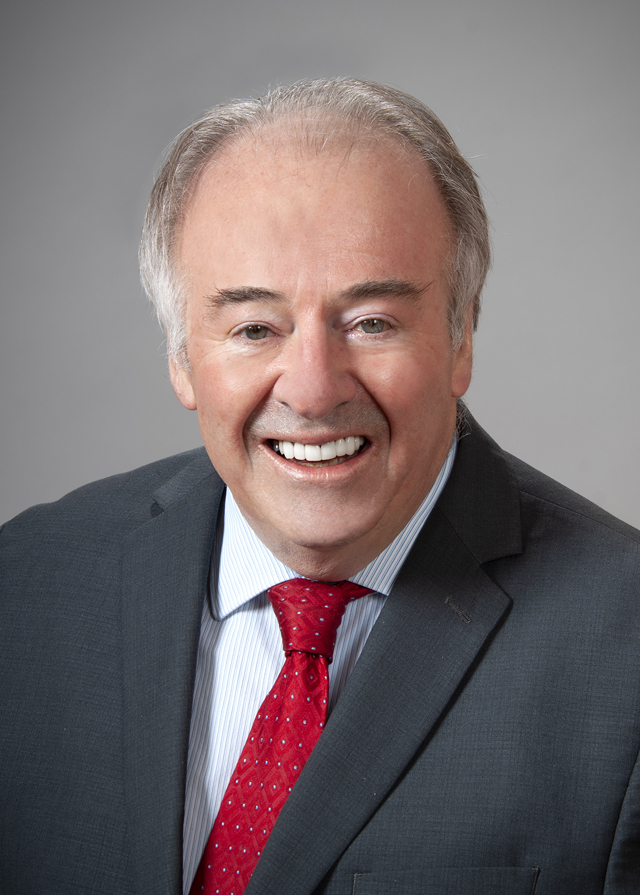
Maddy summaryThis bill formally honors Casey Weinstein, a former member of the Ohio House of Representatives, for his service to the state and his constituents in Summit County. The resolution recognizes his background as a United States Air Force Academy graduate and his work on various committees, including those focused on veterans' affairs and technology. It expresses the legislative body's appreciation for his dedication and directs the House Clerk to send an official copy of the commendation to him.
Sponsored bills
Maddy summaryThis bill formally recognizes Jena Powell for her service as a member of the Ohio House of Representatives. It directs the Clerk of the House to send an official copy of the resolution to her as a gesture of appreciation. The measure does not change any laws or policies but serves as a commemorative acknowledgment of her legislative work and leadership in Miami and Darke Counties.
Maddy summaryThis bill formally recognizes Elliot Forhan for his distinguished service as a member of the Ohio House of Representatives. It designates him as an esteemed representative and directs the House Clerk to send an official copy of the resolution to him. The measure serves as a commemorative gesture honoring his legislative work and community leadership rather than enacting new laws or policies.
Maddy summaryThis bill formally recognizes Mike Loychik for his distinguished service as a member of the Ohio House of Representatives. It honors his background as a U.S. Air Force veteran, business owner, and community leader who served constituents in Trumbull, Ashtabula, and Knox counties. The resolution commends his work on various committees and his leadership roles, including co-chairing the Sportsmen's Caucus for Ohio. Finally, it directs the House Clerk to send an official copy of this commendation to Loychik.
Maddy summaryHB 24 requires private health plans and Medicaid in Ohio to cover biomarker testing for diagnosis, treatment management, and ongoing monitoring of diseases, provided the test is deemed medically necessary by a qualified healthcare provider. The bill mandates that coverage decisions be based on established medical evidence, such as FDA labels, federal coverage determinations, or nationally recognized clinical guidelines, while explicitly excluding coverage for screening purposes. To ensure patient care is not disrupted, the legislation also requires that coverage be structured to minimize the need for multiple biopsies or sample collections. Additionally, the law establishes an accessible appeal process for coverage determinations and includes language intended to prevent significant price increases for these tests.
Maddy summaryHB 645 proposes creating a refundable tax credit or rebate for homeowners and renters whose property taxes or rent exceed five percent of their income. The bill would allow eligible individuals to claim this financial assistance directly on their state tax returns to offset the cost of housing. Additionally, the legislation includes provisions for pass-through entities, such as partnerships or S corporations, to file a single tax return on behalf of their investors who are subject to state income tax. This mechanism would simplify the filing process for these businesses while ensuring investors receive their appropriate share of any credits or payments.
Maddy summaryHB 79 allows electric distribution utilities to create and submit plans for energy efficiency and demand reduction programs to the Public Utilities Commission. To get approval, utilities must provide detailed information about their proposed programs, including costs, expected energy savings, and how they will be funded without double-charging customers. The bill also defines specific terms like "behavioral energy savings" and requires utilities to include plans for improving smart grid technology and managing peak demand. Once approved, these portfolios enable utilities to help residential and business customers save energy while ensuring the programs remain cost-effective and fair.
Maddy summaryHB 390 updates the rules for handling leftover money from property foreclosure sales in Ohio. When a sale generates more money than needed to pay debts, the court clerk must notify the property owner about the surplus balance. The bill establishes specific mailing procedures and timelines for delivering these notices, depending on whether the balance is large or small and whether the owner's address is known. If the owner does not claim the funds within a set period, the money is treated as unclaimed property and handled according to existing state laws.
Maddy summaryHB 370 clarifies the Ohio Department of Transportation's authority and responsibilities regarding state highways located within cities and villages. The bill grants the Director of Transportation broad powers to alter, construct, and maintain these roads, including the ability to purchase or appropriate land for improvements like bridges, bike paths, and drainage systems. It also allows the department to acquire property in the name of the state or, in specific cases involving railroads and utilities, directly in the name of those entities. Furthermore, the legislation explicitly states that the state has no mandatory duty to repair state highways inside municipal limits unless the local government requests and approves the work.
Maddy summaryThis bill designates the walleye as the official state fish, a symbolic honor that does not change any laws or regulations. The legislation directly affects the state by formally recognizing the walleye in official records and documents. It does not alter fishing rules, create new programs, or allocate funding, serving only as a commemorative measure.