

In committee May 21, 2024
1 co-sponsor
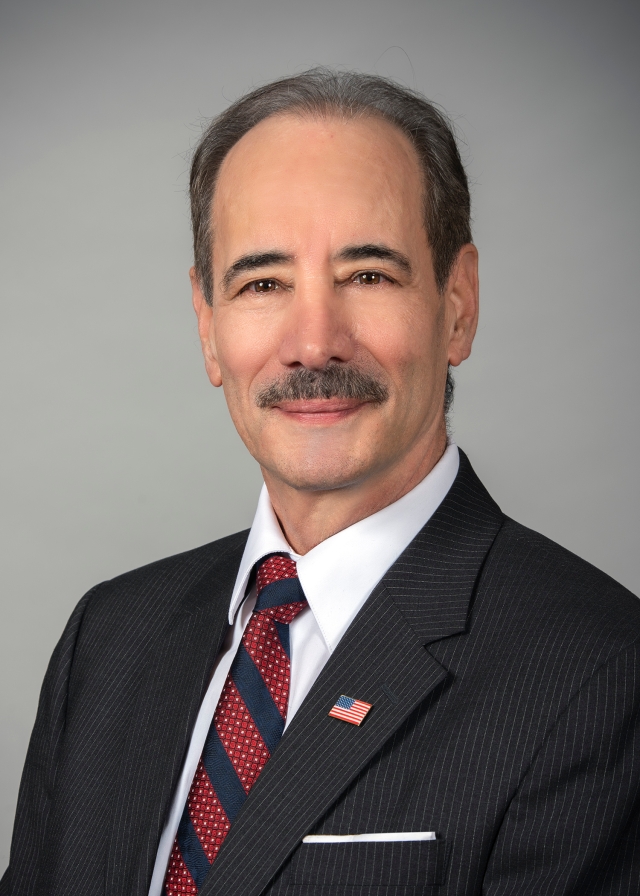
Total votes
897
all sessions
Attendance
100%
1 missed
Near the chamber average
With party
95%
of cast votes
Near the chamber average
Bipartisan score
3%
crosses aisle rarely
Near the chamber average
Sponsored
317
bills & resolutions
Near the chamber average
Committees
0
assignments
317 bills and resolutions
Sponsored bills
Total
317
Primary
60
Co-sponsor
257
This page
317
matching current filters
Enact the Universal Preschool Act
Maddy summaryHB 595, titled the Universal Preschool Act, directs the state Department of Education and Workforce to conduct surveys and hold meetings with school districts and education organizations to assess the feasibility of implementing universal preschool and all-day kindergarten programs. The bill requires the department to compile findings into a report detailing implementation challenges and estimated costs, which must be shared with legislative committees and state officials by March. While the legislation outlines a framework for these new programs, it does not currently appropriate specific funding, instead proposing a potential one-time grant if the legislature decides to provide it. Additionally, the bill allows school districts to request waivers from the new requirements through a public hearing process, with the state Board of Education having the final authority to approve or deny such requests. To help offset the costs associated with these initiatives and sports gaming enforcement, the act also increases the sports gaming tax rate for certain operators.
In committee May 21, 2024
1 co-sponsor
Require certain motivation or purpose to commit child enticement
Maddy summaryHB 593 amends the law on criminal child enticement by requiring that a person must act with a specific sexual motivation or an unlawful purpose to be convicted of the offense. This change directly affects individuals who solicit or lure children under fourteen years of age, ensuring that accidental or non-sexual interactions do not automatically result in criminal charges. The bill also clarifies that law enforcement, medical personnel, and school employees are exempt from these requirements when acting within the scope of their official duties, while providing an affirmative defense for actions taken during bona fide emergencies. Ultimately, the legislation aims to refine how the offense is defined and prosecuted without altering the underlying penalties for those who violate the law.
In committee May 21, 2024
0 co-sponsors
Regards certain forms of solicitation-Medicare supplement policy
Maddy summaryThis bill amends state insurance regulations to restrict the Superintendent of Insurance from banning specific methods of marketing Medicare supplement policies. It explicitly allows for solicitation through printed materials left at homes, in-person visits at residences or public areas, and electronic communications like texts and social media messages, while still permitting the Superintendent to ban in-person sales at nursing homes and residential care facilities. Additionally, the legislation mandates that these policies cannot deny coverage for preexisting conditions if medical advice was sought within six months of the policy start date and requires the creation of new rules to standardize policy terms, claims handling, and premium increase procedures.
In committee May 21, 2024
1 co-sponsor
Regards property tax payments, sale of tax-foreclosed property
Maddy summaryHB 543 updates the rules for handling property tax payments and records when land is divided, transferred, or inherited. It requires owners to submit specific affidavits to the county auditor to prove inheritance details before transferring real estate through descent. The bill also mandates that unpaid taxes and penalties be fairly split between the new owner and the remaining part of a property when a parcel is subdivided. Additionally, it prevents individuals who owe back taxes from buying properties that have been seized due to tax delinquency. These changes aim to streamline tax record-keeping and ensure fair allocation of tax liabilities during property transactions.
In committee May 21, 2024
1 co-sponsor
Enact the Consumer Protection Call Center Act
Maddy summaryThis bill requires large employers with call centers to notify state officials at least 120 days before moving operations or a significant portion of their volume to a foreign country. If an employer fails to provide this notice, they face civil penalties of up to $10,000 per day, though courts can reduce fines if there is just cause. Additionally, any business that relocates a call center abroad becomes ineligible for state grants, loans, tax benefits, or other economic incentives for five years, unless the state determines that denying the funding would cause substantial job losses, environmental harm, or a significant economic impact. The legislation also prohibits state contractors from hiring individuals to perform call center work outside the state and ensures that state employees are not penalized for their employers' relocation decisions.
In committee May 21, 2024
1 co-sponsor
Regards reporting of minor labor law violations and penalties
Maddy summaryHB 541 amends state labor laws to require school employees to report suspected violations involving minors under sixteen years of age. The bill also mandates that employers maintain accurate lists of minor employees and provides enforcement officials with the authority to verify the age of workers who appear to be under eighteen. Key provisions include creating a dedicated enforcement fund to hire staff, increasing penalties for violations, and allowing for the detention of minors who refuse to provide their age and residence information to officials.
In committee May 21, 2024
0 co-sponsors
Prohibit certain sales types in real property foreclosure sales
Maddy summaryThis bill amends state laws to allow county officials, such as sheriffs and clerks, to accept electronic payments like credit and debit cards for various county expenses, including fines and fees. The legislation requires local boards of county commissioners to adopt resolutions specifying which officials and fees can accept these payments, along with rules for any convenience fees and penalties for failed transactions. To implement this system, counties must solicit proposals from financial institutions and processors, with the county treasurer acting as an administrative agent to manage the process unless they decline the role. Ultimately, the bill aims to modernize how individuals pay debts to county offices by expanding the accepted methods beyond cash and checks.
In committee May 21, 2024
1 co-sponsor
Revise the law governing high volume dog breeders
Maddy summaryThis bill updates the legal definitions and care standards for high-volume dog breeders in Ohio, targeting facilities that house six or more breeding dogs and sell significant numbers of puppies or adult dogs. It establishes specific requirements for animal welfare, including daily veterinary-approved nutrition, unlimited clean water, and spacious enclosures that allow dogs to move freely and turn in complete circles. The legislation also mandates that floors be solid or consist of specific slat dimensions to ensure hygiene and safety, while defining terms like "high volume breeder" and "animal rescue" to clarify which entities are subject to these new rules.
In committee May 21, 2024
1 co-sponsor
Regards assault when the victim is a school employee or volunteer
Maddy summaryHB 525 amends state laws to increase penalties for assaulting school employees and volunteers, such as teachers, administrators, bus operators, and volunteers performing official duties like chaperoning students. The bill classifies such assaults as a felony of the fifth degree when they occur on school property, on school buses, or while the victim is engaged in school-related activities outside of school premises. This legislative change directly affects individuals who commit violent acts against those working in educational settings, ensuring they face stricter sentencing guidelines than under previous laws.
In committee May 21, 2024
1 co-sponsor
Ask Maddy
·
AI policy assistant
Ask Maddy about Rick Dell'Aquila
Scope: ohio
Hi! I can help you understand Rick Dell'Aquila's legislative record. What would you like to know?
Try one of these
i
Maddy answers using official bill text and legislative records. Always verify before sharing.
Sources cited inline