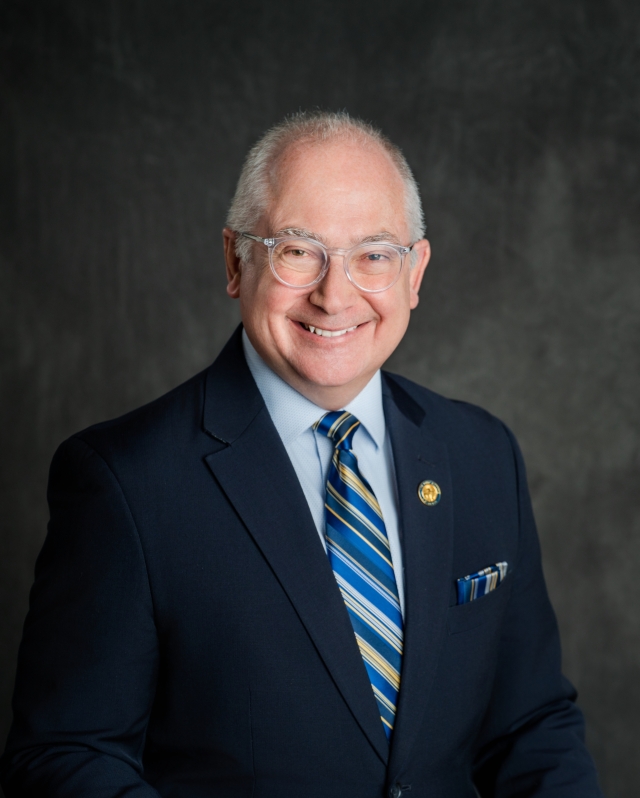
House Resolution 87 designates May 6-12, 2025, as Nurses and Health Professionals Week in the State of Ohio. This resolution aims to commemorate the contributions of nurses and other health professionals.
To amend sections 3901.382 and 5164.46 of the Revised Code to prohibit fees for electronic claims submission by health insurer and the Medicaid program.
To enact sections 4723.95, 4731.45, 4732.34, 4743.11, 4757.46, and 4758.73 of the Revised Code to prohibit certain licensed health care professionals from engaging in conversion therapy for minor patients.
HB 57 requires Ohio schools to establish written policies allowing trained staff to administer overdose reversal drugs (like naloxone) during opioid overdose emergencies. It directly affects school staff, administrators, and students by creating clear protocols for emergency response. Key provisions include mandating staff training on drug administration, specifying when and how the drugs may be used, and requiring documentation of each administration. The bill aims to enable swift, life-saving interventions in school settings without requiring individual prescriptions for each incident. These changes apply to all public and private schools operating within Ohio.
To amend sections 3923.33, 3923.331, 3923.332, 3923.337, 3923.338, 3923.339, and 3923.42 and to enact section 3923.3310 of the Revised Code to provide Medigap policies for Medicare-eligible individuals under the age of 65.
To enact sections 4729.891, 4731.971, 4731.972, 4731.973, 4731.975, 4731.976, 4731.977, 4731.978, 4731.979, and 4731.9710 of the Revised Code regarding individualized investigational treatments for life-threatening or severely debilitating illnesses.
SB 267 designates the week including March 22nd as "Ohio Doula Awareness Week" in the Revised Code. This bill creates a ceremonial observance to highlight the role of doulas in maternal care within Ohio. It does not create new laws, funding, or direct obligations; it simply establishes a designated week for awareness. The bill directly affects Ohio residents by formally recognizing doulas' contributions to pregnancy and birth support through this annual observance.
SB 227 would limit how much patients pay out-of-pocket for prescription insulin each month. It caps cost sharing at $35 per month for all insulin drugs covered under the bill. This directly affects people with diabetes who rely on insulin prescriptions. The law would require health plans and insurers to cover insulin costs above $35 at no additional charge to the patient.
HB 99 removes specific nonprofit agricultural membership organizations from Ohio's insurance regulations. It defines these organizations as state-incorporated entities serving farmers' interests and providing healthcare coverage exclusively to members and their families. The bill clarifies that such healthcare coverage is not considered "insurance" under state law, exempting these organizations from Title XXXIX regulations and the superintendent of insurance's jurisdiction. This allows the organizations to provide healthcare benefits without insurance licensing while permitting reinsuring of related risks through authorized insurers.
HB 530 establishes the Long-term Care Workforce Study Commission to examine challenges in the long-term care sector. The commission will study issues like staffing shortages, training needs, and retention strategies affecting facilities and workers. This bill directly impacts long-term care providers and their employees by creating a formal process to assess workforce gaps and inform future policy decisions.