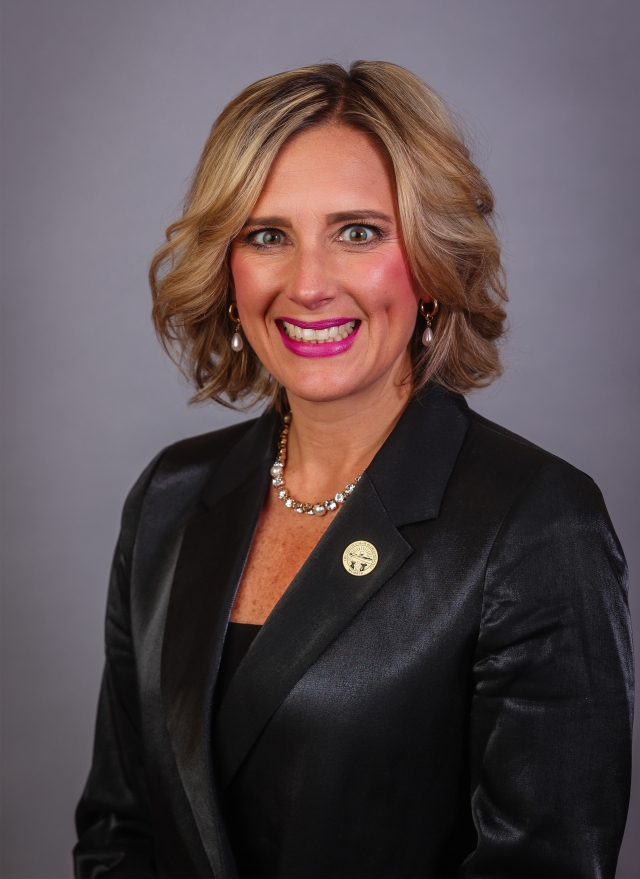
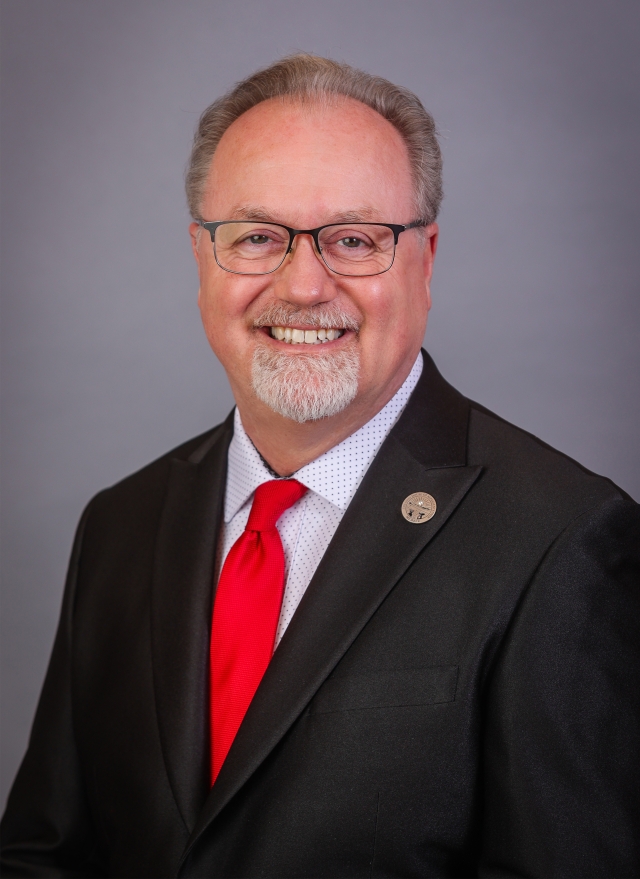
HB 8 requires health insurance plans and Ohio Medicaid to cover biomarker testing for diagnosis, treatment, and ongoing disease monitoring when ordered by a provider as medically necessary. The bill mandates coverage only for tests supported by specific evidence, such as FDA-approved uses, clinical guidelines, or peer-reviewed studies showing improved health outcomes, and explicitly excludes screening purposes. It also requires plans to minimize disruptions in care (like multiple biopsies) and ensures an accessible appeal process for coverage denials. This affects patients with conditions requiring these tests and healthcare providers ordering them, but does not change existing coverage for screening.
HB 59 requires all occupational licensing boards (like those for nurses, electricians, or contractors) to undergo regular reviews to determine if they still serve a public need. Each board must submit detailed reports on their purpose, costs, staffing, and effectiveness, and then prove to legislative committees that their regulation is necessary for public safety, not duplicative, and not unduly restrictive. Committees must evaluate boards using 23 specific criteria, including whether less restrictive alternatives exist or if the board serves private interests. This law directly affects every state occupational licensing board by shifting the burden to demonstrate continued necessity, rather than assuming boards should remain in place. The goal is to eliminate unnecessary regulations that could increase costs or hinder economic activity.
HB 485, titled the Baby Olivia Act, requires Ohio public schools to include human growth and development instruction within health education courses. This policy change directly affects K-12 students and school districts by mandating specific curriculum content. The bill amends several education-related sections of the Revised Code and adds new Section 3313.6034 to implement this requirement. The key provision is the inclusion of age-appropriate human growth and development education as part of standard health curriculum.
HB 88 increases penalties for drug trafficking above specific quantities and prohibits organized human trafficking. It requires all Ohio schools and colleges to implement fentanyl awareness education and prevention policies. The bill also designates August as "Fentanyl Poisoning Awareness Month" to promote public education. These provisions directly affect drug traffickers, educational institutions, and the general public through heightened penalties and prevention efforts. The law amends multiple sections of the Ohio Revised Code to enact these specific policy changes.
HB 134 creates a registration program allowing home kitchens to legally sell certain homemade foods, like baked goods or jams, directly to customers. It updates state rules to establish a microenterprise home kitchen registration system, replacing the need for a full commercial kitchen license. Home cooks must register under this new program to sell qualifying foods, which are limited to low-risk items meeting specific safety standards. The law directly affects small-scale home food producers seeking to sell their goods without operating a commercial kitchen.
HB 324, the Patient Protection Act, prohibits pharmacies from selling certain drugs known to cause severe adverse effects and establishes new safety requirements for doctors who prescribe those drugs. It directly affects prescribers (like physicians) and pharmacies by restricting the sale of high-risk medications and mandating specific safeguards before they can be prescribed or dispensed. The bill creates concrete policy changes by banning these specific drug sales and requiring prescribers to follow defined safety protocols to protect patients. The law is named the Patient Protection Act as specified in the bill's title.
HB 57 requires Ohio schools to establish written policies allowing trained staff to administer overdose reversal drugs (like naloxone) during opioid overdose emergencies. It directly affects school staff, administrators, and students by creating clear protocols for emergency response. Key provisions include mandating staff training on drug administration, specifying when and how the drugs may be used, and requiring documentation of each administration. The bill aims to enable swift, life-saving interventions in school settings without requiring individual prescriptions for each incident. These changes apply to all public and private schools operating within Ohio.
HB 144 expands Ohio's communication disability database to include all individuals with disabilities, not just those with specific communication needs. It requires county 9-1-1 systems to access this database during emergency calls, ensuring first responders can quickly identify communication support needs. The law, named "Keith's Law," directly affects people with disabilities during emergencies and 9-1-1 dispatchers who will use the database to provide appropriate assistance.
To amend sections 4723.091, 4723.092, and 4723.28 of the Revised Code to revise the law governing the Board of Nursing and criminal records check results and to declare an emergency.
To amend sections 1716.01 and 5747.01 and to enact sections 1716.22 and 3333.96 of the Revised Code to enact the Health Care Sharing Ministries Freedom to Share Act.