







Issue · Criminal Justice

Criminal Justice

Every criminal justice bill, vote, and legislator stance in Ohio, automatically classified by Maddy, our AI policy reader.

Total bills
6
136th Legislature (2025-2026)
Top supporter
Tristan Rader
100% support rate
Top opponent
Beth Lear
0% support rate
Ranked legislators
10
5 support · 5 oppose
Key legislators

Who's moving criminal justice in Ohio

Legislators moving criminal justice in Ohio
Legislator Party Stance Support rate Votes
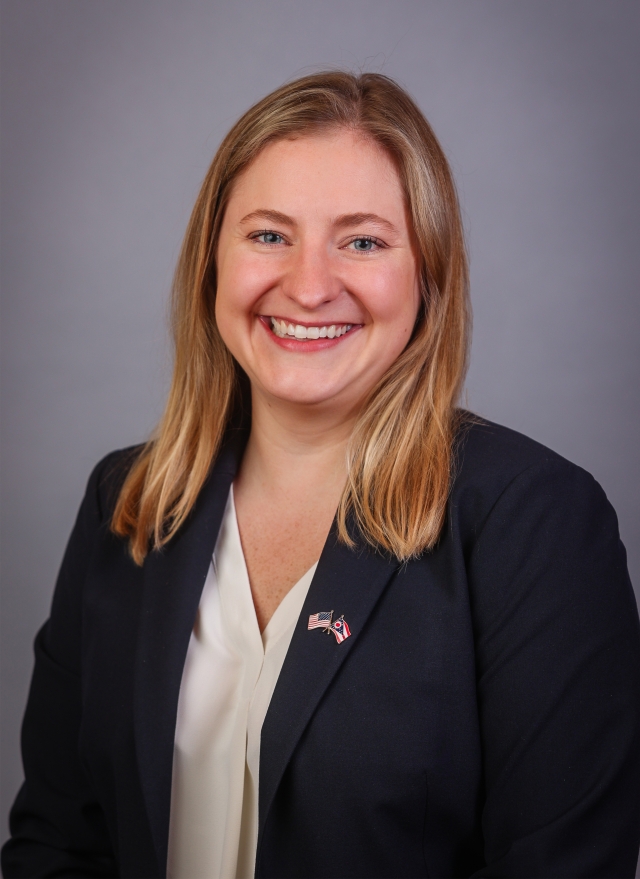
Tristan Rader
Tristan Rader House · District 13
D
Strong +
100% 41
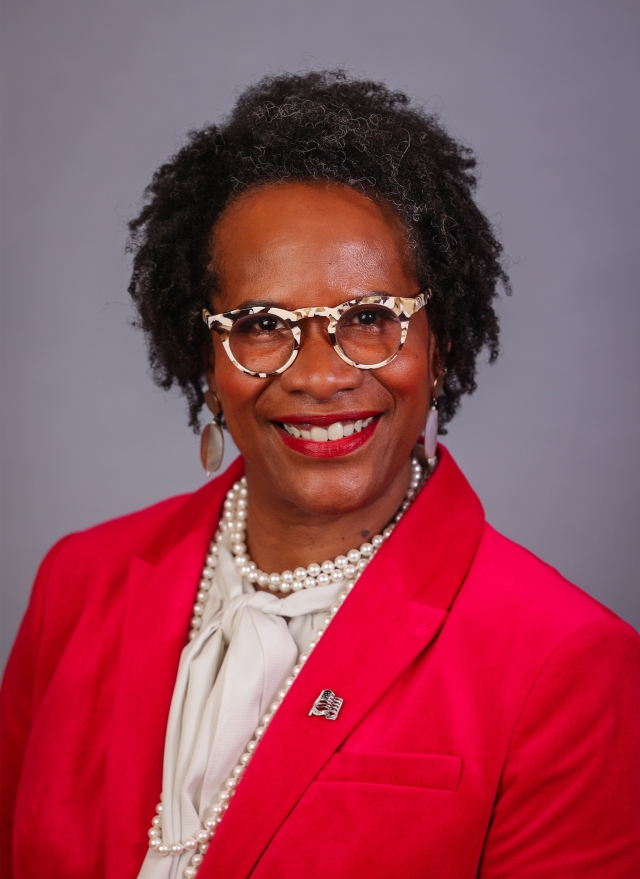
Meredith Lawson‐Rowe
Meredith Lawson‐Rowe House · District 5
D
Strong +
100% 48
Christine Cockley
Christine Cockley House · District 6
D
Strong +
100% 40
Veronica Sims
Veronica Sims House · District 33
D
Strong +
100% 46
Ismail Mohamed
Ismail Mohamed House · District 3
D
Strong +
100% 52
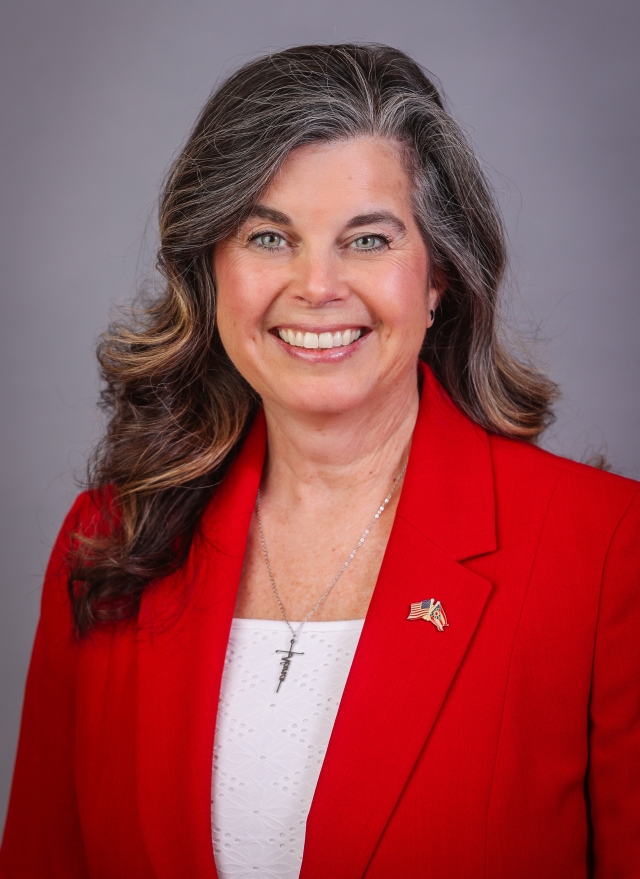
Beth Lear
Beth Lear House · District 61
R
Strong −
0% 41
Ron Ferguson
Ron Ferguson House · District 96
R
Strong −
0% 39
Bernie Willis
Bernie Willis House · District 74
R
Strong −
11% 42
Sarah Fowler Arthur
Sarah Fowler Arthur House · District 99
R
Strong −
12% 55
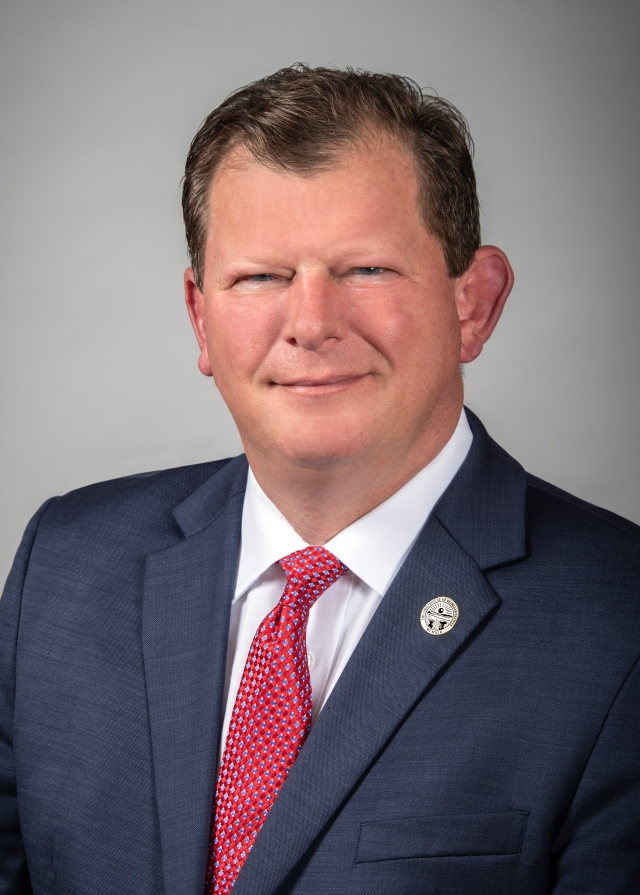
Jason Stephens
Jason Stephens House · District 93
R
Strong −
12% 49
Showing 6 of 6 bills

All criminal justice bills

passed both · Ohio · House Jun 10, 2026

HB 3: Enact the School Bus Safety Act

To amend sections 4503.03, 4510.036, 4511.75, 4511.751, and 4511.76 and to enact sections 5.501, 3327.18, and 3327.19 of the Revised Code to address school bus safety, to designate this act as the School Bus Safety Act, and to make an appropriation.
signed · Ohio · House Mar 20, 2026

HB 29: Regards inmates' access to feminine hygiene products and showers

To enact sections 341.261, 753.321, and 5120.631 of the Revised Code regarding inmates' access to feminine hygiene products and showers by municipal and county correctional facilities and state correctional institutions.
signed · Ohio · House Feb 4, 2026

HB 44: Regards law enforcement training and competitive examinations

To amend sections 124.11 and 124.30 and to enact section 737.061 of the Revised Code regarding training schools for prospective law enforcement officers and filling a vacant police department position without a competitive examination.
signed · Ohio · House Jan 19, 2026

HB 144: Enact Keith’s Law regarding the communication disability database

HB 144 expands Ohio's communication disability database to include all individuals with disabilities, not just those with specific communication needs. It requires county 9-1-1 systems to access this database during emergency calls, ensuring first responders can quickly identify communication support needs. The law, named "Keith's Law," directly affects people with disabilities during emergencies and 9-1-1 dispatchers who will use the database to provide appropriate assistance.
passed · Ohio · House Jun 4, 2025

HB 131: Prohibit law enforcement from using quotas for arrests, citations

HB 131 prohibits law enforcement agencies from setting or using numerical quotas for arrests and citations. This means police departments and other agencies would no longer be allowed to require officers to meet specific targets for the number of arrests or tickets they issue. The bill enacts a new section in the Revised Code to make this practice illegal across all law enforcement agencies in the state. By banning quotas, the law aims to ensure that enforcement actions are based on individual circumstances rather than arbitrary numerical goals.
passed · Ohio · House May 28, 2025

HB 5: Enact the Repeat Offender Act

To amend sections 109.57, 109.572, 109.578, 109.579, 2151.357, 2901.08, 2923.125, 2923.13, 2923.14, 2929.01, 2929.13, 2929.14, 2941.141, 2941.144, 2941.145, 2941.146, 2953.25, 2953.26, 2953.32, 2953.34, 2953.61, 4723.28, 4729.16, 4729.56, 4729.57, 4729.96, and 4752.09 and to enact sections 2941.1427, 2941.1428, and 2953.321 of the Revised Code to enact the Repeat Offender Act to create a repeat offender classification, to create and modify certain firearm specifications, to increase the penalties for certain firearm offenses and specifications, to broaden the scope of relief from firearms disability, and to modify the sealing procedure for misdemeanors and fourth and fifth degree felonies.