

Maddy summaryHB 1180 amends North Dakota law to clarify eligibility for veteran benefits, directly affecting veterans with service-connected disabilities, their dependents, and surviving spouses. It updates definitions to include veterans with a 100% service-connected disability (including those with extra-schedular ratings for total disability), expanding who qualifies as a "dependent" for benefits like education assistance and employment preferences. Key provisions include allowing spouses of disabled veterans to claim employment preference if the veteran cannot, and extending free distinctive vehicle license plates (for up to two vehicles) to disabled veterans and surviving spouses receiving VA dependency compensation. The bill also clarifies residency requirements for dependents and streamlines proof of VA compensation eligibility.
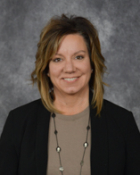
Rep. Kathy Frelich
Sponsored bills
Maddy summarySCR 4018 is a concurrent resolution urging the Capitol Grounds Planning Commission to begin planning a memorial honoring Emergency Medical Services (EMS) personnel who died in the line of duty. It specifically recognizes both volunteer and career EMS staff, including paramedics, EMTs, and emergency vehicle operators who serve North Dakota residents. The resolution directs the Commission to collaborate with state health and EMS organizations, explore funding options (like donations or grants), and develop the memorial on Capitol grounds. As a symbolic gesture, it does not allocate funds or create new laws but seeks to establish a permanent tribute to these individuals' service and sacrifice.
Maddy summaryThis non-binding resolution urges North Dakota's public health systems, healthcare providers, and hospitals to prioritize preventing vitamin D deficiency through tailored strategies. It highlights that North Dakota's high latitude (48°N) limits sun exposure for 6 months yearly, increasing deficiency risks - particularly for pregnant people, children, and those with mental health conditions or chronic diseases. The resolution directs the State Health Officer to publish it online and share it with medical associations, hospitals, and educational institutions to promote awareness and preventive care.
Maddy summaryThis concurrent resolution urges Congress to provide medical coverage for hyperbaric oxygen therapy for veterans with traumatic brain injuries or PTSD. It directly affects veterans who currently rely on long-term medications for symptoms, as the resolution highlights hyperbaric oxygen therapy as a promising treatment alternative. The resolution does not create new policy but formally requests federal action to cover this specific therapy under veterans' healthcare. It was adopted by North Dakota's legislature and sent to Congress for consideration.
Relating to possession of firearms or dangerous weapons at a publicly owned or operated building; and to amend and reenact section 62.1‑02‑05 of the North Dakota Century Code, relating to possession of firearms or dangerous weapons at a public gathering.
Maddy summaryHB 1296 would require individuals carrying concealed firearms (with a valid license) to show their physical license, a digital image of the license, or a valid driver's license/nondriver ID card to law enforcement upon request during any contact, including traffic stops. Violating this requirement would result in a $20 noncriminal fee, not criminal penalties. The bill directly affects concealed carry license holders in North Dakota by mandating immediate presentation of identification during officer interactions. It amends North Dakota Century Code section 62.1-04-04 to clarify these presentation obligations and penalties.
Maddy summaryHB 1514 would have prohibited "harmful atmospheric activity" in North Dakota, including weather modification techniques like cloud seeding, stratospheric aerosol injection, and unmarked aircraft operations that could harm humans or the environment. It defined specific prohibited actions, set a class C felony penalty with up to $500,000 fines for violations, and created a reporting system for citizens to document suspected incidents with evidence like photos or radiation measurements. The bill also established technical limits for electromagnetic radiation and required sheriffs or the environmental director to investigate reports within 24 hours. This bill failed to pass in the North Dakota legislature on February 24, 2025, with 28 votes in favor and 63 against.
Maddy summaryHB 1457 would create a new exemption allowing individuals to avoid required vaccines (for school, work, or licensing) if the vaccine doesn't meet specific safety and effectiveness standards. These standards require the FDA-approved vaccine to have undergone at least one year of safety testing against a placebo, with injury data publicly posted, a lower risk of serious harm than the disease itself, and manufacturer liability for deaths or injuries. The North Dakota Department of Health must publicize this exemption and prohibit state agencies from requiring conditions inconsistent with it. The bill failed to pass during its second reading in February 2025.
Maddy summaryHB 1519 requires North Dakota's Department of Health to compile and maintain individual death and vaccination records from the state's immunization and death registration systems. It mandates tracking specific details like vaccine type, date of vaccination, sex, race, and death dates within 720 days post-vaccination. The department must publish quarterly public reports on its website showing death rates for each vaccine type administered to over 20,000 people in the previous quarter, broken down by demographic groups and time intervals after vaccination. This bill directly affects the state health department's data management and public reporting processes.
Maddy summaryHB 1337 would provide $10 million in state funds to counties for mental health and substance use disorder treatment services for people in jail. The bill requires counties receiving grants to report annually on how funds were used and outcomes, and the health department to submit a summary report to lawmakers by 2026. This funding would cover the 2025-2027 biennium and aim to expand access to mental health care for incarcerated individuals.