Issue · Budget & Taxes

Budget & Taxes

Every budget & taxes bill, vote, and legislator stance in North Dakota, automatically classified by Maddy, our AI policy reader.

Total bills
85
119th Congress
Top supporter
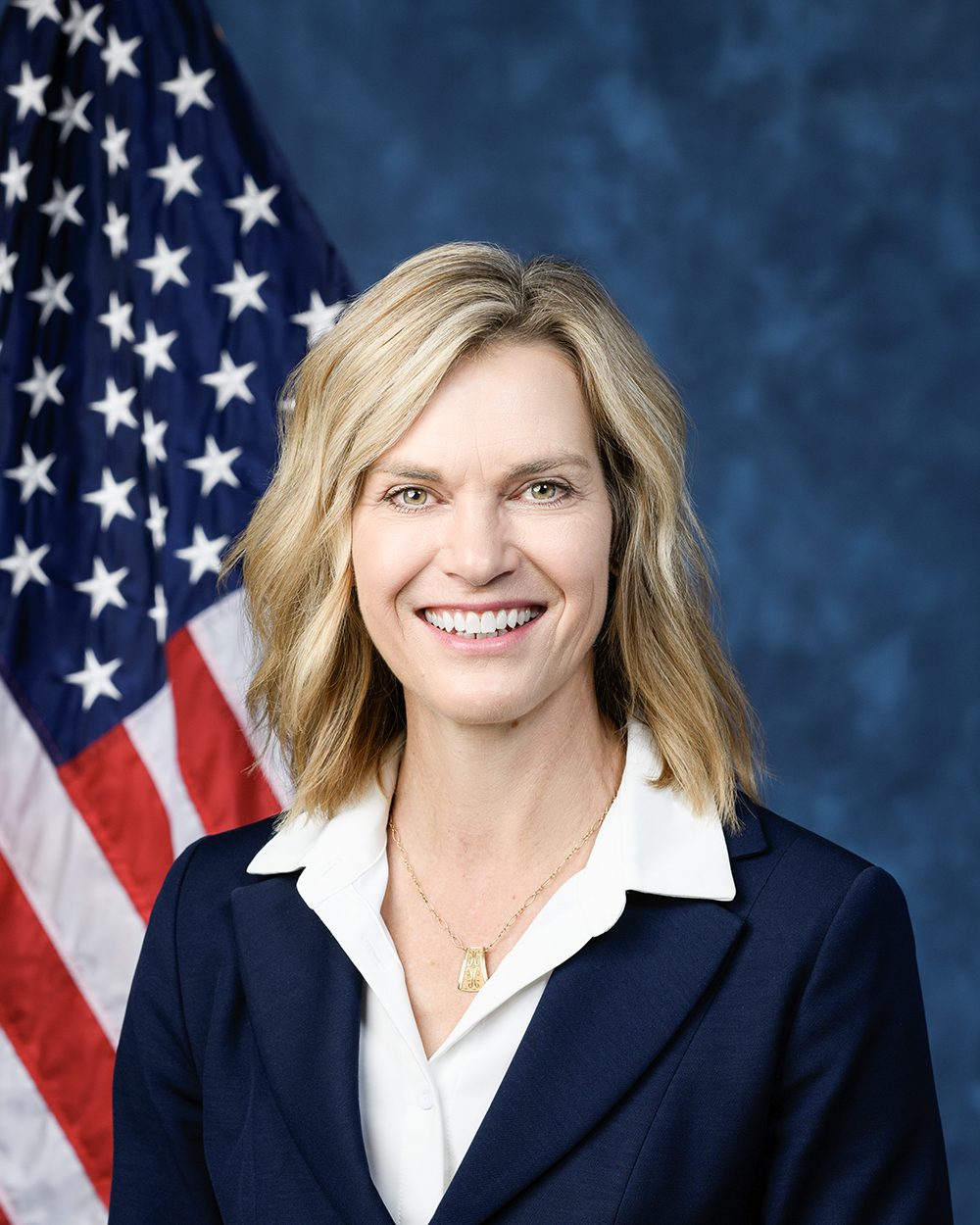
Julie Fedorchak
73% support rate
Top opponent
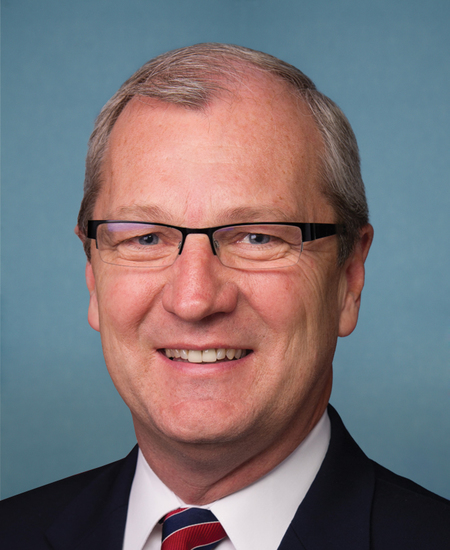
Kevin Cramer
33% support rate
Ranked legislators
3
1 support · 2 oppose
Key legislators

Who's moving budget & taxes in North Dakota

Legislators moving budget & taxes in North Dakota
Legislator Party Stance Support rate Votes
Julie Fedorchak
Julie Fedorchak House · District At-Large
R
Support
73% 185
Kevin Cramer
Kevin Cramer Senate
R
Oppose
33% 273
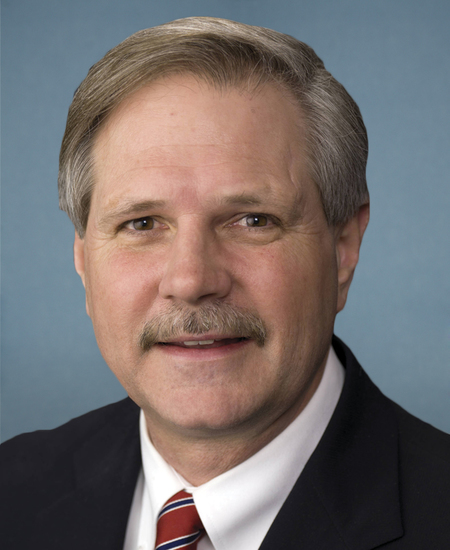
John Hoeven
John Hoeven Senate
R
Oppose
33% 274
Showing 1–10 of 85 bills

All budget & taxes bills

introduced · United States · Senate Jul 14, 2026

S 4952: Protecting American Taxpayers Act

The Protecting American Taxpayers Act is a comprehensive bill designed to combat government fraud, recover misused funds, and strengthen oversight across various federal programs. It directly affects federal agencies, state governments administering public assistance, small businesses, veterans, and contractors by imposing new reporting requirements, extending statutes of limitations for fraud cases, and restricting financial assistance to entities linked to foreign agents or the Taliban. Key mechanisms include requiring child care payments to be based on recorded attendance rather than enrollment, mandating investigations into sudden spikes in health care spending, prohibiting small businesses with convicted fraudsters from receiving loans, and creating a new officer within the Department of Veterans Affairs dedicated to scam prevention. Additionally, the legislation rescinds unspent pandemic-era funds for deficit reduction, expands whistleblower protections for defense and non-defense contractors, and establishes stricter rules against transferring public assistance money abroad via remittance transfers.
in committee · United States · Senate Jun 22, 2026

S 4851: SCALE Act of 2026

The SCALE Act of 2026 creates a new grant program to help states and eligible Indian tribes improve soil health and wildlife habitat on agricultural lands. Between fiscal years 2027 and 2031, the Department of Agriculture will provide up to $10 million annually to recipients that meet specific performance standards, with a total funding pool of $250 million. To receive these funds, applicants must submit a plan detailing their goals and agree to match federal dollars with their own state or tribal funds, unless they cannot provide the full match. The law also sets strict rules on how the money can be spent, limiting administrative costs and prohibiting conditions that would force changes to existing local programs. Recipients must submit annual audit results and could be disqualified from future funding if they fail to comply with the grant terms.
in committee · United States · Senate Feb 24, 2026

S 1441: SAVES Act of 2025

The SAVES Act of 2025 establishes a five-year pilot program at the Department of Veterans Affairs (VA) to fund nonprofit organizations that provide service dogs to eligible veterans with specific disabilities, such as blindness, mobility issues, PTSD, or traumatic brain injury. Nonprofits must apply competitively, meet training and animal welfare standards (including ADA compliance), and provide service dogs at no cost to veterans, with the VA covering all program expenses. The VA will also provide ongoing veterinary insurance for the dogs, which continues even after the pilot ends. This program is funded with $10 million annually for five years, targeting veterans as defined by VA medical criteria.
in committee · United States · House Jun 24, 2026

HR 9250: Great American Outdoors Act 250

This bill redesignates the existing National Parks and Public Land Legacy Restoration Fund as the America's Legacy Restoration Fund to address deferred maintenance on federal lands. It directs revenue from recreation fees and a portion of energy development income into the fund, which must be used primarily for repairing critical infrastructure like roads, trails, and buildings managed by agencies such as the National Park Service and the Forest Service. The legislation establishes strict rules requiring that most funds go toward non-transportation projects, mandates transparency through public dashboards tracking project status, and sets aside a small percentage for matching private donations. Additionally, the bill increases entrance fees for foreign visitors to ensure they contribute to the fund, while prohibiting the use of these specific funds for land acquisition or employee bonuses.
in committee · United States · House Jun 4, 2026

HR 9141: SAVE America Through REAL ID Act

HR 9141, titled the SAVE America Through REAL ID Act, establishes a federal grant program to help states eliminate fees for low-income individuals seeking REAL ID-compliant driver's licenses or identification cards. The legislation defines low-income individuals as those earning at or below 200 percent of the federal poverty level or participating in means-tested assistance programs. Funds allocated to states can be used to waive application fees, cover administrative costs, conduct public outreach, and provide mobile services in underserved areas. To receive these funds, states must submit detailed plans outlining how they will identify eligible applicants and ensure privacy compliance, while the Department of Homeland Security will distribute money based on population need and require annual reporting on program usage. The bill authorizes $50 million annually for fiscal years 2027 through 2031 to support these efforts.
in committee · United States · Senate May 20, 2026

S 4587: Dietary Supplements Access Act

The Dietary Supplements Access Act allows individuals to use pre-tax funds from Health Savings Accounts, Archer Medical Savings Accounts, and health flexible spending arrangements to purchase dietary supplements. This change permits up to $500 per year, or $250 for married individuals filing separately, to be spent on these items without incurring taxes. The law specifically defines dietary supplements according to federal food and drug standards while excluding energy drinks, soft drinks, and sodas. These tax benefits will only become available for expenses incurred after December 31, 2026.
in committee · United States · House Apr 30, 2026

HR 8591: No Capital Gains Tax on Family Farms Act

This bill, titled the No Capital Gains Tax on Family Farms Act, would allow farmers to sell their land to immediate family members without paying capital gains tax on the profit. To qualify, the property must have been used as a farm for at least two years within the eight years prior to the sale, and the buyer must be a spouse, lineal descendant, or their spouse. If the new owner keeps the farm for ten years, the property's tax basis will be adjusted upward to reflect its fair market value at the time of the sale. The law applies to sales occurring after its enactment and requires the IRS to issue regulations to guide its implementation.
Tags Agriculture
in committee · United States · Senate May 13, 2026

S 4511: A bill to amend the Internal Revenue Code of 1986 to exclude from gross income charitable distributions from certain employer-sponsored retirement plans, and for other purposes.

This bill allows individuals aged 70 and a half or older to donate money directly from their employer-sponsored retirement accounts to qualified charities without counting that money as taxable income. It applies to distributions from 401(k) plans, government plans, 403(b) plans, and 457 plans, provided the donation does not exceed a specific annual limit. The legislation requires the funds to be transferred straight from the retirement plan to the charity, bypassing the individual's personal bank account. By excluding these charitable contributions from gross income, the bill aims to simplify tax reporting for retirees while encouraging philanthropy through existing retirement savings.
passed · United States · House May 21, 2026

HR 1993: 25th Anniversary of 9/11 Commemorative Coin Act

This bill authorizes the U.S. Mint to produce commemorative $5 gold and $1 silver coins marking the 25th anniversary of the September 11, 2001, terrorist attacks. The coins must feature designs honoring victims and first responders (including the inscription "Never Forget") and will be sold only during 2027-2028. All surcharges ($35 per gold coin, $10 per silver coin) collected from sales will fund the National September 11 Memorial and Museum at the World Trade Center, with no net cost to the federal government. The coins are legal tender but primarily intended for collectors, not circulation.
Sub-Topics Fees & Licensing
introduced · United States · Senate Apr 27, 2026

S 4378: Protecting American Taxpayers Act

The Protecting American Taxpayers Act aims to reduce government waste and fraud by requiring stricter oversight of federal programs and extending legal deadlines for prosecuting pandemic-related violations. It mandates that child care payments be based on recorded attendance rather than enrollment alone and requires agencies to report when health care spending or provider numbers spike by more than 100 percent in specific areas. The bill also prohibits small businesses from receiving federal loans or grants if an owner or key employee has been convicted of financial misconduct, while simultaneously banning foreign entities controlled by agents from certain listed countries from receiving U.S. financial assistance. Additionally, the legislation seeks to increase transparency by requiring agencies to publicly report on improper payments and other transaction agreements, and it expands whistleblower protections for employees of defense and non-defense contractors who report waste or misconduct.
Showing 1 to 10 of 85 bills
1 2 3 9 Next