

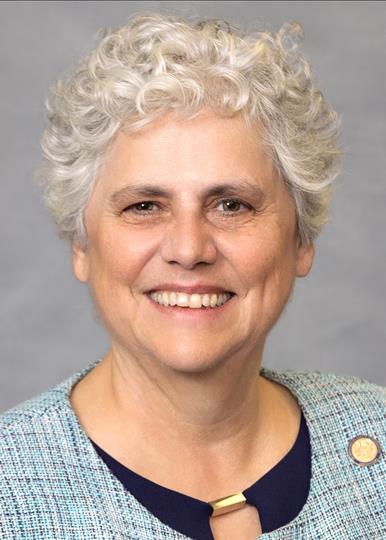
Photo of Sarah Stevens
R North Carolina House · District 90

Rep. Sarah Stevens

Compare
Total votes
1,023
all sessions
Attendance
83%
184 missed
Near the chamber average
With party
98%
of cast votes
Near the chamber average
Bipartisan score
1%
crosses aisle rarely
Near the chamber average
Sponsored
161
bills & resolutions
Lower than 80% of chamber peers
Committees
10
assignments
161 bills and resolutions

Sponsored bills

Total
161
Primary
47
Co-sponsor
114
This page
161
matching current filters
Co-sponsor HB 377
Vetoed · North Carolina House · Co-sponsor
2026 Court Changes.

Maddy summaryHB 377 establishes North Carolina's Uniform Electronic Wills Act, allowing residents to create legally valid wills using electronic means. It requires electronic wills to be in readable format, signed by the testator, and witnessed by two people, with provisions for self-proving and converting existing paper wills to electronic format. The bill also specifies that certified paper copies - not the original electronic files - can be submitted to court for validation during probate. This directly affects individuals creating or updating wills in North Carolina, making digital execution and storage legally recognized under state law.

Vetoed Aug 31, 2026 1 co-sponsor
Co-sponsor HB 958
Vetoed · North Carolina House · Co-sponsor
Election Law Changes.

Maddy summaryHB 958 updates North Carolina's election laws with several key changes. It prohibits the State Board from using voter education to influence party affiliation (Section 1), requires most challenged ballots to still count unless the voter died before election day (Section 2), and mandates at least one early voting site per 30,000 registered voters with specific security and staffing rules (Section 4). The bill also requires random hand-counting of ballots for statewide elections to verify electronic results (Section 5) and clarifies timelines for counting provisional ballots (Section 6). These changes directly affect voters, county election boards, and the State Board of Elections in administering elections.

Vetoed Aug 31, 2026 1 co-sponsor
Co-sponsor HB 308
Failed · North Carolina House · Co-sponsor
2026 Criminal Law Changes.

Maddy summaryHB 308 reclassifies strangulation as a Class H felony (up from Class G) and clarifies "serious bodily injury" to include permanent disfigurement or prolonged hospitalization. It clarifies that certain domestic violence misdemeanors cannot be treated as lesser offenses under related statutes and creates a new "habitual misdemeanor assault" offense for repeat offenders involving domestic violence. The bill prohibits expunging criminal records for individuals with pending charges and requires judges to review criminal history when setting pretrial release conditions in domestic violence cases. Judges must also impose specific conditions like staying away from victims' homes or abstaining from alcohol for those charged under domestic violence laws.

Failed Aug 6, 2026 1 co-sponsor
Co-sponsor HB 1173
Signed into law · North Carolina House · Co-sponsor
Jaleeyah's Law.

Maddy summaryThis bill, known as Jaleeyah's Law, strengthens North Carolina's anti-gang laws by updating definitions of criminal gangs and increasing penalties for soliciting minors to participate in gang activity. It creates new offenses for encouraging people under 18 to join gangs and for gang members possessing firearms, with stricter penalties for those under 18. The legislation also allocates funding to hire additional prosecutors and investigators specifically focused on criminal gang cases. These changes will take effect in 2026 and aim to provide clearer legal tools for prosecuting gang-related crimes.

Signed into law Jul 7, 2026 1 co-sponsor
Primary HB 600
died · North Carolina House · Lead sponsor
Recognition of the Tuscarora.

Maddy summaryHB 600 officially recognizes the Tuscarora Indians of Kahtenuaka Territories as a tribe under North Carolina law, effective July 1, 2025. The bill designates them as eligible for federal programs and services available to Native American tribes, based on historical treaties and their continuous presence in the state. It requires two Tuscarora representatives to serve on the State Commission of Indian Affairs and one to serve on the American Indian Heritage Commission. This recognition grants the tribe formal standing and representation in state-level tribal affairs.

died Jul 1, 2026 0 co-sponsors
Primary HB 443
Passed · North Carolina House · Lead sponsor
Constitutional Amendment: Council of State Vacancies.

Maddy summaryHB 443 proposes a constitutional amendment requiring the Governor to appoint a replacement for certain state officers (Secretary of State, Auditor, Treasurer, etc.) from a list of three nominees provided by the vacating official's political party, if the party submits recommendations within 30 days. This change would apply to vacancies occurring after the amendment's approval and would modify the current process where the Governor appoints without party input. The amendment must be approved by voters in the November 2026 general election to take effect. It directly affects the Governor's appointment authority and the political parties of the affected offices.

Passed May 20, 2026 0 co-sponsors
Co-sponsor HB 1019
Passed · North Carolina House · Co-sponsor
Mike Clampitt 1st Responder Tax Fairness Act.

Maddy summaryThis bill, known as the Mike Clampitt 1st Responder Tax Fairness Act, aims to expand tax exemptions for volunteer fire departments and rescue squads in North Carolina. Specifically, it allows these independent groups, which have two or fewer paid employees and are already exempt from state income tax, to avoid paying a highway use tax on specific emergency vehicles like fire trucks, forest firefighting units, and other emergency service vehicles. The change applies to vehicles when a certificate of title is issued on or after July 1, 2026, ensuring these organizations can acquire necessary equipment without incurring this particular tax. By broadening the existing exemption, the legislation directly benefits volunteer responders who operate outside of local government units.

Passed May 18, 2026 1 co-sponsor
Co-sponsor HB 1033
died · North Carolina House · Co-sponsor
Dental Board Reform.

Maddy summaryHB 1033 reformulates the North Carolina Board of Dental Examiners by changing how its members are selected and limiting their voting power. The bill requires that only dentists and dental hygienists vote on licensing decisions for their respective professions, while public consumer members cannot vote on any dental licensing matters. Additionally, the bill shifts the appointment process so that board members are chosen by the Governor, the General Assembly, and the Commissioner of Labor rather than being elected by the dental profession. These changes aim to address a previous legal ruling by ensuring the board includes public representatives and operates with a structure that balances professional expertise with consumer oversight.

died May 12, 2026 1 co-sponsor
Co-sponsor HB 307
Signed into law · North Carolina House · Co-sponsor
Iryna's Law.

Maddy summaryHB 307, "Iryna's Law," modifies North Carolina's pretrial release rules for defendants charged with specific violent offenses, including murder, rape, and certain sexual offenses against children. It requires police to inform judicial officials about defendant behavior observed during arrest that suggests danger to self/others, and restricts pretrial release for those charged with the listed violent crimes. The bill also extends probation terms for youth convicted of violent offenses, mandates victim notification when probation ends, and appropriates funds for additional legal staff in Judicial District 26. These changes directly affect defendants facing violent crime charges, victims, and court resources in the specified district.

Signed into law Oct 3, 2025 1 co-sponsor
Co-sponsor HB 402
Signed into law · North Carolina House · Co-sponsor
Limit Rules With Substantial Financial Costs.

Maddy summaryHB 402 requires North Carolina state agencies to assess the financial impact of proposed permanent rules. If a rule would cost affected individuals or businesses $20 million or more over five years, it must be approved by the General Assembly before taking effect. For rules with a $1 million or more annual cost impact, agencies must prepare a fiscal note for review by the Office of State Budget and Management. The bill also mandates a two-thirds vote by agency boards to adopt rules exceeding the $1 million cost threshold. This directly affects state agencies creating regulations and the businesses or residents who would bear the costs of those rules.

Signed into law Jul 29, 2025 1 co-sponsor
Showing 1 to 10 of 161 bills
1 2 3 17 Next