

Maddy summaryHouse Bill 971 establishes a pilot program for Annual Career Development Plans in 12 selected North Carolina middle and high schools. This program will affect students entering seventh grade in those schools during the 2025-2026 and 2026-2027 school years, continuing until their high school graduation. Students will create and annually update individual plans with assistance from school counselors, aiming to align them for on-time graduation and college or career readiness. Parents are encouraged to participate and will receive information regarding their child's plan, course offerings, and financial aid options for postsecondary education.
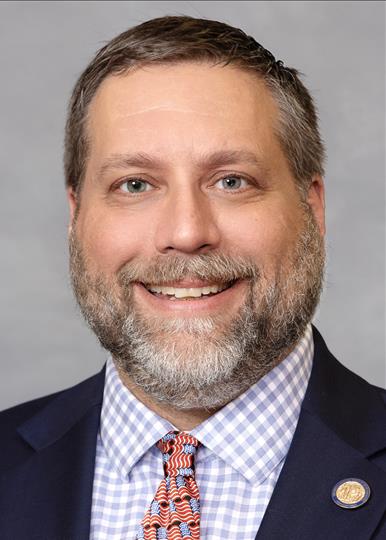
Rep. David Willis
Sponsored bills
Maddy summaryHB 156 sets minimum standards for stop loss, catastrophic, and reinsurance coverage provided to small employers in North Carolina. It directly affects small employers (defined as those with fewer than 12 eligible employees) and insurers selling these specific insurance products. The bill requires insurers to maintain a minimum annual attachment point of $20,000 per individual (adjusted annually using the Consumer Price Index) and a minimum aggregate attachment point of either 120% of expected claims or $20,000 per year. These standards apply to all new, renewed, or amended insurance contracts issued on or after October 1, 2025.
Maddy summaryHouse Bill 146 amends North Carolina's driver's license renewal process. It allows active duty members of the U.S. Armed Forces, or reserve components serving on active duty and stationed outside North Carolina, to renew their driver's licenses remotely multiple times in a row. Currently, a remote renewal requires the previous renewal to have been done in person, but this bill removes that restriction for eligible military personnel. This change aims to make it easier for these individuals to maintain their licenses while serving away from the state. The act becomes effective October 1, 2025, applying to licenses renewed on or after that date.
Maddy summaryHouse Bill 38, known as the Second Amendment Financial Privacy Act, prohibits payment card networks from using a specific "firearms code" to identify or track purchases made at firearms merchants in North Carolina. It also forbids these networks from knowingly maintaining records of individuals in the state who own firearms. The bill aims to prevent the separate tracking of lawful firearm and ammunition purchases and protect the financial privacy of individuals exercising their right to bear arms. Payment card networks are also prohibited from discriminating against firearms merchants based on code assignment. Violations can lead to civil penalties assessed by the Attorney General or civil lawsuits from affected merchants or individuals.
Maddy summaryHB 163 regulates Pharmacy Benefits Managers (PBMs) to ensure fair practices for pharmacies and insured individuals. The bill prohibits PBMs from charging insurers more for a prescription drug than they pay the pharmacy (spread pricing) and requires patient out-of-pocket costs to be based on the net price after any PBM concessions. It establishes minimum reimbursement standards for pharmacies, preventing PBMs from paying less than the national average drug acquisition cost plus a dispensing fee. Additionally, it clarifies that PBMs cannot restrict accredited pharmacies from dispensing specialty drugs and strengthens audit protections for pharmacies.
Maddy summaryHB 152 aims to regulate how health benefit plans in North Carolina cover Transcranial Magnetic Stimulation (TMS) services. If an insurer chooses to cover TMS, the bill requires them to cover all procedures performed by properly licensed healthcare providers, regardless of their medical specialty, as long as TMS is within their scope of practice. It prohibits insurers from penalizing providers solely based on their specialty when submitting TMS claims. However, the bill maintains that insurers retain discretion over whether to cover TMS, for which conditions, and at what reimbursement rates.
Maddy summaryHouse Bill 584 seeks to eliminate the requirement for individuals under 18 to obtain a driving eligibility certificate when applying for a learner's permit or provisional driver's license. Currently, this certificate links a young person's driving privileges to their enrollment in school, academic progress, or possession of a high school diploma. The bill removes these educational prerequisites, along with conditions related to certain student disciplinary actions, for obtaining these licenses. This change directly affects young drivers seeking their initial permits and licenses.
Maddy summaryHB 806, titled "Public School Operational Relief," proposes changes to North Carolina's public school regulations concerning class sizes and teacher licensure. The bill removes state-mandated class size requirements for kindergarten through third grade, making them recommendations, and eliminates penalties for exceeding these former maximums. It also introduces a new provision requiring that at least 50% of teachers in a public school hold a teaching license. Unlicensed teachers hired under this provision would need to complete preservice training in areas such as educating children with disabilities and managing student behavior. These changes would apply to public schools and local school administrative units beginning with the 2025-2026 school year.
Maddy summaryHB 956 aims to enhance financial protections for disabled adults and North Carolina residents aged 65 or older. It requires financial institutions and electronic fund transfer entities to report to county social services if they observe a pattern of financially harmful behavior or a six-month cessation of communication from these adults. During the period from when such issues are first noted (or a cognitive impairment diagnosis is made) until the report is submitted, these entities are prohibited from charging late fees, other penalties, or interest on loans to the affected adult. This bill amends existing law to ensure late payment charges are subject to these new protections, becoming effective October 1, 2025.
Maddy summaryHB 135 establishes labeling requirements for "manufactured-protein food products," which include items made from cell cultures, insects, or plants that resemble traditional meat or poultry. The bill mandates that if these products use identifying meat or poultry terms, their labels must also prominently display a "qualifying term" like "cell-cultured" or "plant-based" in a specific font size and location to prevent misbranding. Additionally, the bill aims to prohibit public educational institutions from purchasing certain food products and proposes an environmental investment assessment on specific animal-derived and analogous food products.