

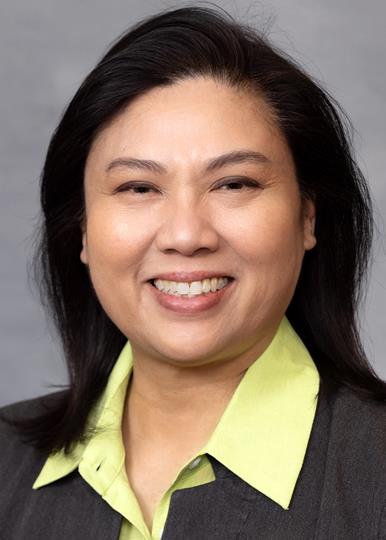
Photo of Maria Cervania
D North Carolina House · District 41 On the 2026 ballot

Rep. Maria Cervania

Compare
Total votes
1,281
all sessions
Attendance
100%
of floor votes
Higher than 91% of chamber peers
With party
93%
of cast votes
Lower than 87% of chamber peers
Bipartisan score
4%
crosses aisle rarely
Higher than 86% of chamber peers
Sponsored
781
bills & resolutions
Higher than 97% of chamber peers
Committees
8
assignments
781 bills and resolutions

Sponsored bills

Total
781
Primary
50
Co-sponsor
731
This page
781
matching current filters
Co-sponsor HB 865
In committee · North Carolina House · Co-sponsor
Clarify Animal Welfare Statutes.

Maddy summaryHB 865 clarifies North Carolina's dangerous dog laws by removing the automatic classification of any dog trained for dog fighting as "dangerous." Instead, it requires local animal control authorities to make individual case-by-case determinations about whether such dogs pose a threat. This change directly affects owners of dogs bred or trained for fighting, shifting oversight from a blanket rule to tailored assessments. The bill takes effect October 1, 2025, and does not alter existing definitions for dogs that have attacked people or caused severe injury.

In committee Apr 10, 2025 1 co-sponsor
Co-sponsor HB 840
In committee · North Carolina House · Co-sponsor
Reward Schools for Student Growth.

Maddy summaryHB 840 modifies North Carolina's school grading system to provide separate "achievement" and "growth" scores for all public schools, replacing a single combined score. Achievement grades reflect current student performance (based on test scores, graduation rates, and proficiency), while growth grades measure how much students improved over time using the EVAAS system. Schools earn an overall performance grade combining 80% achievement and 20% growth scores, displayed on school websites and report cards. This affects all North Carolina public schools (K-12), their administrators, and parents, who will receive detailed grade breakdowns for each school annually. The bill does not create new funding rewards but changes how school performance is measured and reported.

In committee Apr 10, 2025 1 co-sponsor
Co-sponsor HB 857
In committee · North Carolina House · Co-sponsor
Create Alert/Missing Person with Disability.

Maddy summaryHB 857 creates North Carolina's Missing with Disability Alert System, requiring law enforcement to issue rapid statewide alerts for missing persons or children with disabilities (as defined by state law) who face potential harm, neglect, or exploitation. The system mandates that alerts include only essential recovery information while protecting sensitive health details, and requires coordination with broadcasters and highway message signs for public dissemination. All law enforcement agencies and the state missing persons center must develop new guidelines and training procedures to implement the alert system. This policy change directly affects law enforcement, broadcasters, and individuals with disabilities who go missing.

In committee Apr 10, 2025 1 co-sponsor
Co-sponsor HB 868
In committee · North Carolina House · Co-sponsor
Due Process in Law Enforcement Officers Field Drug Testing.

Maddy summaryHB 868 requires North Carolina law enforcement to use confirmatory lab tests before relying on field drug tests for arrests or convictions related to drug possession. It mandates that colorimetric field drug tests alone cannot establish probable cause for arrest, initiate charges, lead to conviction, or influence sentencing after January 1, 2026. Law enforcement must adopt policies ensuring cases without a lab-confirmed result lead to release (via citation or written promise to appear) rather than continued detention. The bill directly affects all North Carolina law enforcement agencies and prosecutors handling drug possession cases under G.S. 90-95(a)(3), requiring them to implement these changes by 2026.

In committee Apr 10, 2025 1 co-sponsor
Co-sponsor HB 266
Passed · North Carolina House · Co-sponsor
Adopt Women Veterans Day.

Maddy summaryHB 266 designates June 12th of each year as Women Veterans Day in North Carolina. The bill directly affects North Carolinians by establishing an annual state observance to recognize women veterans' service. It adds this date to North Carolina's official calendar through a simple statutory change in Chapter 103 of the General Statutes, requiring no new funding or administrative implementation. The bill creates a ceremonial recognition without altering existing veteran benefits or programs.

Passed Apr 10, 2025 1 co-sponsor
Co-sponsor HB 845
In committee · North Carolina House · Co-sponsor
Reduce Drowning Risk/Public Docks.

Maddy summaryHB 845 requires state agencies and local governments to install visible, accessible water safety rescue equipment - including ring life buoys meeting federal safety standards - at public docks, piers, and shoreline access points. The law mandates that buoys be placed within 200 feet of shorelines, stored in bright orange/yellow stations, and not permanently secured, with specific requirements for buoyant lines and retroreflective marking. It also appropriates $25,000 for the Wildlife Resources Commission and provides up to $500 grants to local governments in economic tier one areas to cover installation costs. The bill takes effect July 1, 2025, directly affecting public water access facilities owned by state or local entities.

In committee Apr 10, 2025 1 co-sponsor
Co-sponsor HB 487
In committee · North Carolina House · Co-sponsor
Shorter Separation for Retired Assistant District Attorneys and Assistant Public Defenders.

Maddy summaryHB 487 shortens the required separation period for retired assistant district attorneys and assistant public defenders before they can return to state employment. The bill changes North Carolina's retirement rules to allow these professionals to rejoin state work after 30 days instead of the standard six-month waiting period. This adjustment applies specifically to retired assistant district attorneys and public defenders who wish to return to state service. The policy change directly affects these two groups of retired state employees by providing greater flexibility for reemployment.

In committee Apr 9, 2025 1 co-sponsor
Co-sponsor HB 227
Passed · North Carolina House · Co-sponsor
U.S. and N.C. Flags/Made In USA.

Maddy summaryThis bill requires North Carolina state agencies and local governments to only purchase U.S. and North Carolina flags made entirely in the United States using domestically grown or produced materials. It prohibits using public funds for any U.S. or state flags not 100% manufactured in America from domestic materials. The rule applies to all new flag purchases starting October 1, 2025. It directly affects all government offices responsible for buying flags with public money.

Passed Apr 9, 2025 1 co-sponsor
Co-sponsor HB 160
Passed · North Carolina House · Co-sponsor
Joel H. Crisp Sudden Unexpected Death in Epilepsy (SUDEP) Awareness Law.

Maddy summaryHB 160 requires North Carolina's University of North Carolina School of Medicine Area Health Education Centers (NC AHEC) to create and share evidence-based information about sudden unexpected death in epilepsy (SUDEP) with all healthcare practitioners in the state. This includes current risk factors, conditions, and contact details for epilepsy support organizations, available on NC AHEC's website. Healthcare providers treating epilepsy patients will directly receive this standardized resource, which must be compiled by consulting medical boards and professional societies. NC AHEC must report the completed resource to the legislature by September 1, 2025.

Passed Apr 9, 2025 1 co-sponsor
Co-sponsor HB 823
In committee · North Carolina House · Co-sponsor
County Service Districts/Research and Urban Research Service Districts.

Maddy summaryHB 823 amends North Carolina law to create two types of specialized districts: "research and production service districts" (for business/development areas) and "urban research service districts" (URSDs). It allows counties to establish these districts to provide services like infrastructure, utilities, and public facilities beyond standard county offerings, directly affecting residents and businesses within the districts. Key mechanisms include requiring advisory committees (with at least 10 members, including a developer representative), setting rules for multi-county district creation, and permitting developers to act as agents for service provision under county approval. The bill focuses on structuring district governance and service delivery without altering tax mechanisms or funding sources.

In committee Apr 9, 2025 1 co-sponsor
Showing 231 to 240 of 781 bills
Previous 1 … 23 24 25 … 79 Next