

Maddy summaryThis bill proposes a constitutional amendment to change how North Carolina fills vacancies for seven specific state offices, including the Secretary of State, Attorney General, and Superintendent of Public Instruction. If passed by voters, the new rule would require the Governor to appoint a replacement from a list of three candidates recommended by the political party of the original officeholder, provided the party submits the list within 30 days of the vacancy. The amendment also clarifies that if an office term ends on January 1 following the next legislative election, the Governor must appoint someone to finish the term. The measure is scheduled for a vote by the public at the November 5, 2024, statewide general election.
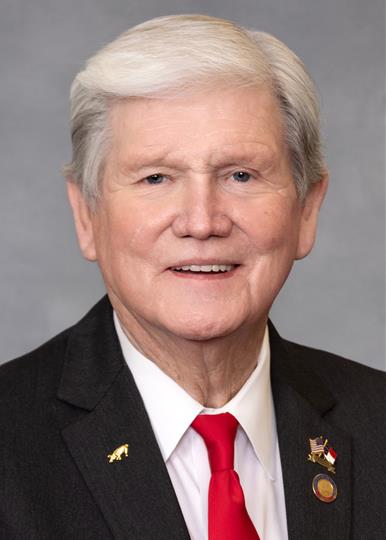
Rep. Jimmy Dixon
Sponsored bills
Maddy summaryThis bill designates Jockey's Ridge in Nags Head as a unique coastal geological area of environmental concern. It establishes specific rules for development within the site, requiring permits for sand removal projects that exceed ten cubic yards per year. Any sand removed under these permits must be returned to designated areas within the Jockey's Ridge State Park. Additionally, the legislation prohibits development activities that would significantly block the natural movement of sand, with limited exceptions for essential infrastructure and maintenance.
Maddy summaryThis bill amends the composition of North Carolina's Medical Cannabis Production Commission to ensure a more diverse range of oversight. It establishes a 13-member body that includes representatives from law enforcement, agriculture, pharmacy, and medicine, alongside industry experts and patient advocates. A specific provision requires industry representatives to recuse themselves from license selection decisions if they have a personal or business connection to an applicant. The amendment also sets new term lengths and expiration dates for these commissioners to structure their service periods.
Maddy summaryThis bill, titled the Health Care Omnibus, introduces several changes to North Carolina's healthcare regulations. It requires doctors and pharmacists to inform patients receiving opioid prescriptions about the risks of overdose, prevention methods, and the availability of reversal drugs. Additionally, the legislation clarifies that Medicaid benefits will continue for a limited time after individuals are released from prison or other incarceration facilities. The bill also expands access to mental health services by allowing reciprocal licensing for marriage and family therapists, reducing regulatory hurdles for master's level psychologists, and encouraging the use of tribal health facilities.