

Maddy summaryThis bill authorizes the North Carolina Division of Motor Vehicles to study and potentially implement digital mobile driver's licenses that function as legal supplements to physical cards. It also clarifies that ignition interlock devices are required for individuals with habitual impaired driving convictions or specific high-BAC offenses, expanding the scope of this safety measure. Additionally, the legislation increases fees for acknowledging signatures on official documents and clarifies the limited circumstances under which transporter plates can be used for moving truck cabs and bodies. These changes aim to modernize licensing options, enhance safety enforcement, and adjust administrative costs for the state.
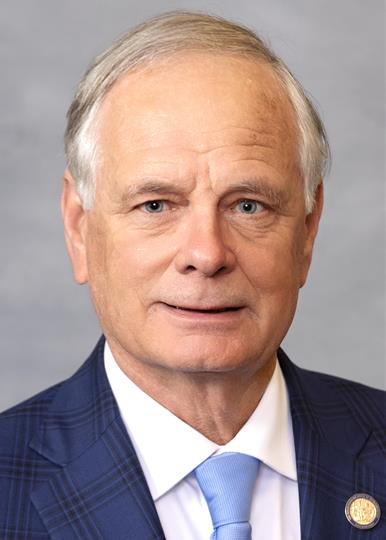
Rep. Steve Tyson
Sponsored bills
Maddy summaryThis bill creates a new crime in North Carolina called money laundering, which applies to anyone who knowingly handles money or property derived from criminal activities. The law defines specific actions that are illegal, such as hiding, moving, or investing these funds, but only if the total value involved is at least $10,000. Punishment depends on the amount of money, with cases under $100,000 classified as a Class H felony and those $100,000 or more as a Class C felony. Additionally, the bill allows authorities to seize any property used in or gained from these offenses and clarifies that related actions can be counted together to determine the severity of the crime.
Maddy summaryThis bill requires lodging establishments, vacation rental property managers, and their contractors to complete human trafficking awareness training and display public awareness signs. The Department of Labor will create or select this training in consultation with state agencies and industry groups, ensuring it is free and accessible to staff performing housekeeping, food service, or check-in duties. Employers must keep records of completed training for three years and report suspected trafficking to law enforcement or a national hotline. Violations of these new requirements can result in administrative penalties ranging from $500 for a first offense to $2,000 for subsequent offenses. The legislation also modifies existing laws related to human trafficking and adjusts the definition of a victim under the state's crime victim compensation act.
Maddy summaryThis bill establishes a new Transportation Emergency Reserve fund of $125 million to help North Carolina cover costs during major disasters, with funds accessible only after a federal declaration and subject to strict reporting requirements. It also creates a pilot program allowing the Department of Transportation to use a specific "Progressive Design-Build" procurement method for up to five projects under $500 million, where contractors are selected based on qualifications before finalizing costs. Additionally, the legislation authorizes the department to increase the project cap for this pilot program, enabling larger infrastructure initiatives to be tested under this new delivery system.
Maddy summaryThis bill designates Jockey's Ridge in Nags Head as a unique coastal geological area of environmental concern. It establishes specific rules for development within the site, requiring permits for sand removal projects that exceed ten cubic yards per year. Any sand removed under these permits must be returned to designated areas within the Jockey's Ridge State Park. Additionally, the legislation prohibits development activities that would significantly block the natural movement of sand, with limited exceptions for essential infrastructure and maintenance.
Maddy summaryThis bill allows sellers of manufactured signs to repossess those signs if buyers fail to make agreed-upon payments. The law specifically permits this action even when the sign has been permanently attached to real property, provided the seller does not breach the peace during the process. By amending existing state statutes, the legislation clarifies that sellers retain the right to pursue this remedy alongside any other lawful options available to them.
Maddy summaryThis bill amends state law to allow The University of North Carolina to enter into agreements with technology vendors to trade in or buy back surplus computer equipment. The legislation specifically authorizes the university to sell back devices even if they were not originally purchased from the vendor and sets conditions for distributing surplus computers to nonprofit organizations that refurbish them for low-income students. To ensure accountability, the bill requires nonprofits to report on their refurbishment efforts and the disposition of any equipment they cannot fix, with annual reports submitted to the university board and the state's education oversight committee. These changes aim to streamline the management of university surplus technology while maintaining oversight on how donated resources are used.
Maddy summaryThis bill creates a new legal process allowing property owners to request the immediate removal of unauthorized individuals from residential homes by contacting their local sheriff. To use this process, the owner must file a sworn complaint stating that the person is not a tenant or resident, has been asked to leave, and that no valid lease exists, after which the sheriff must act within 24 hours. The legislation also increases penalties for willful damage to residential property and prohibits fraudulent rental advertisements while requiring all leases to be in writing. Property owners who incorrectly use this removal process could face civil lawsuits, including triple damages based on the rent and legal fees.
Maddy summaryThis North Carolina bill directs the State Board of Community Colleges to revise how community colleges are funded, ensuring each institution receives a base amount of money plus additional funds based on student enrollment in specific workforce and skills courses. The legislation also creates a new savings account called the Enrollment Increase Reserve, which allows the state to set aside extra tuition revenue to help colleges manage sudden spikes in student numbers that exceed their budgeted plans. Finally, the bill permits individual community colleges to charge a local tuition and fee surcharge to generate additional revenue for their operations. These changes directly affect community college administrators, students, and the state's education funding structure by altering how money is allocated and collected.