

Maddy summaryHB 20, the "Fair Maps Act," proposes amending the North Carolina Constitution to establish an independent redistricting process. It would create a Citizens Redistricting Commission to redraw congressional and state legislative districts after each federal census, removing the General Assembly and Governor from the process. The bill requires districts to be contiguous, avoid splitting counties, and ensure equal population representation, with changes taking effect only after voter approval in 2026. This directly affects all North Carolina voters by changing how electoral districts are drawn for state and federal offices. The amendment must be ratified by voters in November 2026 before it becomes effective.
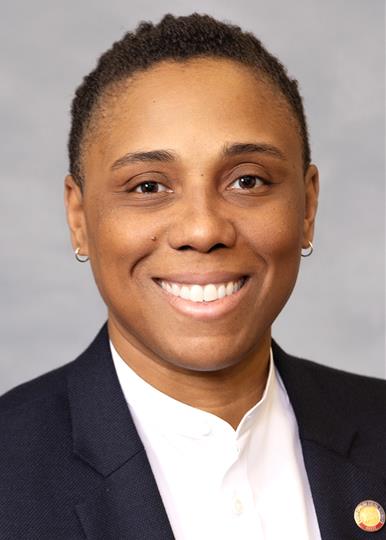
Rep. Vernetta Alston
Sponsored bills
Maddy summaryThis is a commemorative resolution (not a policy bill) honoring former North Carolina House Representative Joseph "Joe" Robert John, Sr., who served District 40 from 2017-2025 and died January 20, 2025. The resolution expresses the House's appreciation for his public service, extends sympathy to his family, and formally recognizes his contributions to North Carolina's judiciary, criminal justice, and community. It has no policy impact or new legal provisions - its purpose is solely to memorialize his career and legacy. The resolution was adopted unanimously by the House on January 29, 2025.
Maddy summaryThis bill updates North Carolina's sex crime laws by creating new offenses for sexual extortion and refining definitions related to the sexual exploitation of minors. It specifically addresses the threat of sharing private images to force someone into acts, defining "private images" to include those created or modified by artificial intelligence, and establishes felony penalties for adults while imposing stricter penalties on repeat offenders. Additionally, the legislation clarifies what constitutes an "identifiable minor" in digital media and expands the scope of protected material to include computer-generated depictions, ensuring that laws cover images produced through modern technology.
Maddy summaryThis bill amends the state constitution to eliminate the literacy test requirement for voting. By removing this specific provision, the legislation ensures that all eligible citizens can vote regardless of their reading or writing abilities. The change directly affects voters who previously might have been disenfranchised by this barrier. It does not alter other voting qualifications or the overall structure of the election process.
Maddy summaryThis bill officially renames the 2023 budget law to the "Current Operations Appropriations Act of 2024" and updates funding levels for the state's education system. It directly affects various institutions, including public universities, community colleges, and the University of North Carolina system, by specifying the exact amounts of state money they will receive for the 2024-2025 fiscal year. The legislation details how much money each entity gets after accounting for their own income, ensuring the state allocates its resources according to the approved budget plan.
Maddy summaryThis amendment to House Bill 207 requires school principals or their designated representatives to accept detailed eyewitness accounts of incidents that could lead to student suspensions. The bill mandates that these accounts be submitted by the end of the school day following the incident, though they can still be accepted after that deadline. Eyewitness testimony can be provided in writing or orally, with the requirement that any oral statements be transcribed into writing by the school official. This change directly affects school administrators and students by formalizing the process for collecting immediate witness statements during disciplinary investigations.
Maddy summaryThis bill authorizes the Durham Public Schools Board of Education and Durham County to partner with private entities to build and manage affordable rental housing. The housing would be restricted to teachers, police officers, first responders, and other employees of these organizations, with at least 75% of the units reserved specifically for teachers. The legislation allows the use of existing public land and permits the charging of below-market rents while ensuring all units still meet standard building and safety codes.