

Maddy summaryThis bill adds the drug tianeptine to North Carolina's list of Schedule II controlled substances, meaning it will be regulated similarly to other opioids. By making this change, the law aims to increase oversight of the drug, which is already associated with potential for abuse and severe dependence. The new rules will apply to anyone who commits offenses involving tianeptine on or after September 1, 2024.
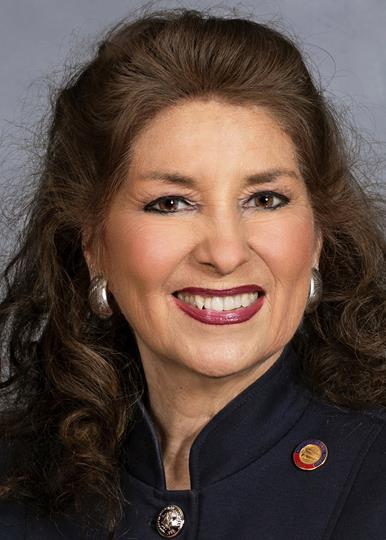
Rep. Donna White
Sponsored bills
Maddy summaryThis bill creates a new legal process allowing property owners to request the immediate removal of unauthorized individuals from residential homes by contacting their local sheriff. To use this process, the owner must file a sworn complaint stating that the person is not a tenant or resident, has been asked to leave, and that no valid lease exists, after which the sheriff must act within 24 hours. The legislation also increases penalties for willful damage to residential property and prohibits fraudulent rental advertisements while requiring all leases to be in writing. Property owners who incorrectly use this removal process could face civil lawsuits, including triple damages based on the rent and legal fees.
Maddy summaryThis bill establishes new rules for companies in North Carolina that boot or tow vehicles from private property without the owner's consent. It requires these businesses to obtain an annual permit and maintain a public database that logs details about each tow, including the reason for removal and the fees charged. Private property owners must display specific signs at parking lot entrances listing the towing company's contact information and fees before any vehicle can be removed. The legislation also sets limits on how far a towed vehicle can be transported and prohibits booting cars that are currently occupied. Additionally, it clarifies that residential properties with four or fewer units are exempt from the mandatory signage requirements.
Maddy summaryThis bill establishes a Physician Assistant Licensure Compact in North Carolina to make it easier for licensed PAs to practice across different states. Under the new rules, a PA holding a valid license in one participating state can obtain a temporary privilege to work in another participating state without applying for a full new license. The system requires PAs to follow the laws of the state where the patient is located and allows state boards to discipline practitioners who move between states. Additionally, the compact includes specific provisions to help active-duty military personnel and their spouses obtain practice privileges quickly when relocating.
Maddy summaryHB 1042 establishes a reimbursement program in North Carolina to help cover veterinary expenses for retired law enforcement and correctional dogs. To qualify, the dogs must have served in official capacities such as detection, apprehension, or search and rescue and hold certification from a national organization. Owners can apply for up to $1,500 annually for essential care like check-ups, vaccinations, emergency surgeries, and euthanasia, but not for elective procedures. The Department of Public Safety will manage a dedicated fund, initially seeded with $300,000, to process these claims and maintain records. The law applies to dogs retiring on or after July 1, 2024, and allows owners to participate voluntarily without affecting any other existing benefits.
Maddy summaryThis bill creates a new grant program called "Increasing Engagement in STEM" to provide funding to North Carolina public schools for experiential science, technology, engineering, and math education. The program specifically targets sixth, seventh, and eighth-grade students and allows schools to use the money for teacher stipends, hiring third-party vendors, and hosting competitions. A total of $1 million is allocated to fund up to 20 school districts, with selection criteria designed to ensure geographic and population diversity across different school sizes. Schools must submit detailed plans outlining how they will use the funds and how they intend to sustain the programs after the grant period ends. The bill also requires the state superintendent to submit initial and final reports to a legislative committee detailing application results, student participation data, and performance outcomes.