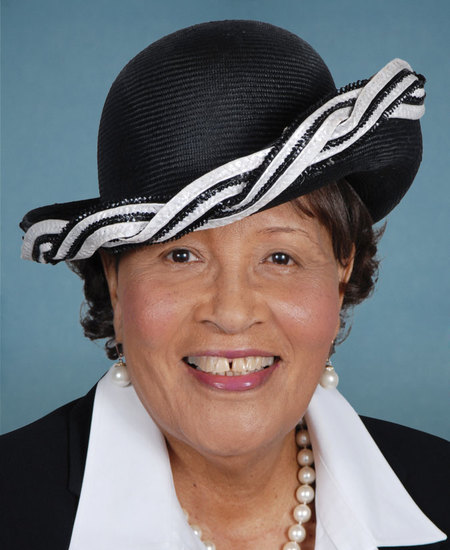
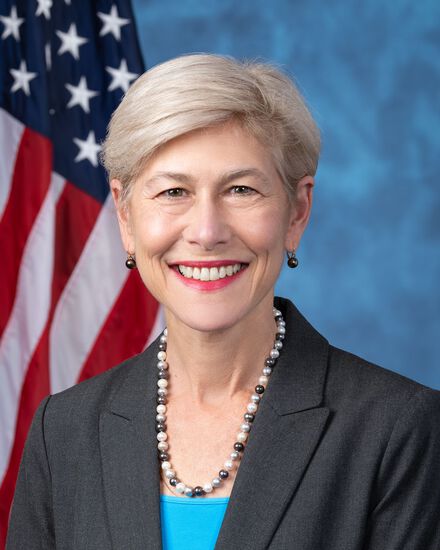
Key legislators
Who's moving veterans in North Carolina
Showing 4 of 4
bills
All veterans bills
HR 3579 requires veterans to submit an application before the VA can begin an initial evaluation for vocational rehabilitation services. It limits employment assistance under the program to a maximum of 365 days per veteran. The bill also mandates the VA to annually report veterans' regional office assignments, pre- and post-program wages, and average wait times for counselor meetings to Congress and the public. Additionally, it requires an independent review of VA rehabilitation programs within one year of enactment to recommend improvements.
This bill limits the amount of Post-9/11 GI Bill benefits available for flight training at public colleges and universities. It sets a $100,000 maximum total benefit for such training (adjusted annually for inflation), affecting veterans pursuing flight programs at public institutions. The inflation adjustment uses the Consumer Price Index, increasing the cap each year based on prior cost-of-living changes. The limit applies only to veterans starting flight training on or after August 1, 2026. This is a direct change to benefit eligibility under the VA's education program.
HJRES 144 is a congressional disapproval resolution targeting a specific rule issued by the Department of Veterans Affairs (VA) on December 31, 2025, which addressed "Reproductive Health Services" (90 Fed. Reg. 61310). This resolution directs Congress to disapprove the VA rule under Chapter 8 of Title 5, U.S. Code, meaning the rule would have no legal effect if passed. The bill directly affects the VA's implementation of reproductive health services for veterans, as it seeks to nullify the agency's existing policy. This is a procedural measure, not a substantive policy change, aimed solely at blocking the VA's rule through congressional action.
This bill prohibits critical skill pay supplements for Senior Executive Service (SES) employees working at the Department of Veterans Affairs' (VA) Central Office (including Veterans Health Administration, Benefits Administration, and National Cemetery Administration), regardless of where they perform duties. It allows limited exceptions for SES employees primarily working at non-Central Office facilities, requiring incentives to be proportional to time spent at those locations. The bill also mandates annual reports to Congress listing VA SES employees receiving such incentives, starting one year after enactment. The policy directly affects VA senior leadership positions at the Central Office and modifies existing pay incentive rules for these roles.