Issue · Labor & Employment

Labor & Employment

Every labor & employment bill, vote, and legislator stance in North Carolina, automatically classified by Maddy, our AI policy reader.

Total bills
197
2025-2026 Session
Top supporter
Charles Smith
100% support rate
Top opponent
Vickie Sawyer
20% support rate
Ranked legislators
10
5 support · 5 oppose
Key legislators

Who's moving labor & employment in North Carolina

Legislators moving labor & employment in North Carolina
Legislator Party Stance Support rate Votes
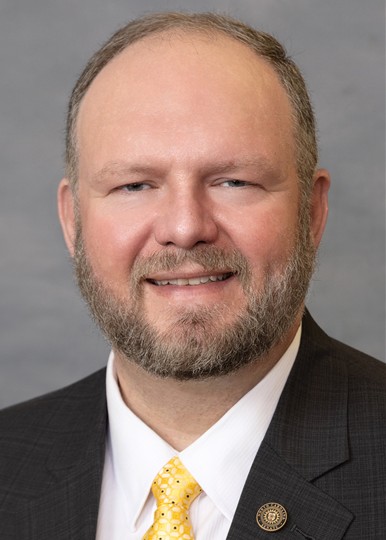
Charles Smith
Charles Smith House · District 44
D
Strong +
100% 23
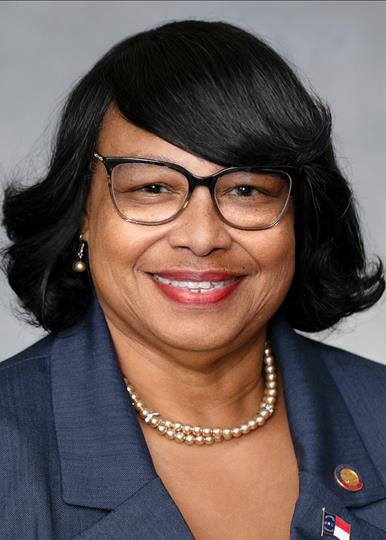
Gloristine Brown
Gloristine Brown House · District 8
D
Strong +
83% 23
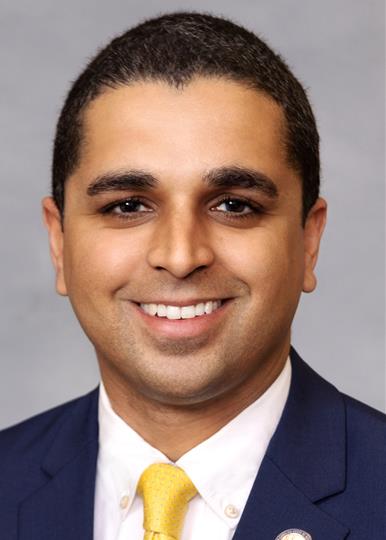
Mike Colvin
Mike Colvin House · District 42
D
Strong +
83% 23
Frances Jackson
Frances Jackson House · District 45
D
Strong +
83% 23
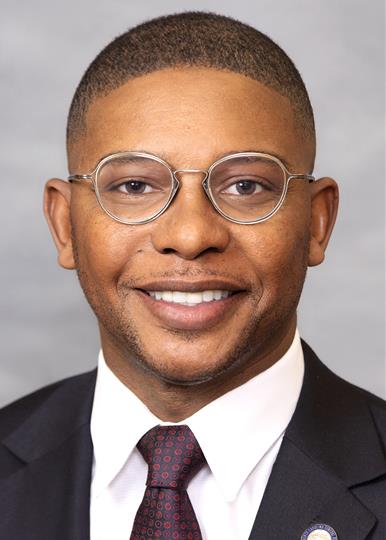
Dante Pittman
Dante Pittman House · District 24
D
Strong +
83% 23
Vickie Sawyer
Vickie Sawyer Senate · District 37
R
Strong −
20% 14
Ralph Hise
Ralph Hise Senate · District 47
R
Strong −
20% 13
Dan Blue
Dan Blue Senate · District 14
D
Oppose
33% 15
Kevin Corbin
Kevin Corbin Senate · District 50
R
Oppose
33% 15
Michael Lazzara
Michael Lazzara Senate · District 6
R
Oppose
33% 14
Showing 141–150 of 197 bills

All labor & employment bills

in committee · North Carolina · Senate Feb 3, 2025

SB 35: Modify Local Workforce Development Board.

This bill requires the Northeastern Workforce Development Board (serving Dare, Currituck, Camden, Pasquotank, Perquimans, Chowan, Gates, Hyde, Tyrrell, and Washington counties) to select job training service providers through a competitive process. It updates the Board's duties to mandate this selection by July 1, 2014, with annual renewals thereafter. The change applies specifically to providers of adult and dislocated worker services authorized under federal law. The bill modifies existing responsibilities without creating new funding or programs.
in committee · North Carolina · House Feb 5, 2025

HB 54: NC Association of People Supporting Employment First (APSE)/Funds.

HB 54 allocates $125,000 annually from the General Fund (2025-2027) to fund training programs developed by the NC Association of People Supporting Employment First (NC APSE). The training, delivered via online modules, will help employers, service providers, and other entities support individuals with serious mental illness, intellectual disabilities, or developmental disabilities in finding and keeping competitive jobs. It focuses on evidence-based supported employment practices to improve job placement and retention. The bill directly affects individuals with these disabilities and the organizations that serve them, with training available statewide starting July 1, 2025.
in committee · North Carolina · Senate Feb 13, 2025

SB 93: Portability of Leave/Charter Schools.

SB 93 allows charter school employees in North Carolina to transfer their accrued sick and vacation leave to a local school district if they move between a charter school and a local school administrative unit. The bill requires the State Board to create rules ensuring transferred leave cannot accrue at a faster rate than the local district’s standard. It directly affects charter school staff and local school districts by enabling this leave portability, which was previously unavailable. The policy change applies to employees hired on or after the bill's effective date.
in committee · North Carolina · Senate Feb 21, 2025

SB 120: Remove Barriers to Labor Organizing.

SB 120 removes legal barriers to labor organizing in North Carolina by prohibiting employers from requiring union membership or dues as a condition of employment or continued work. It invalidates agreements that tie agricultural product purchases or settlement terms to union status and strengthens protections for workers denied jobs due to union affiliation. The bill directly affects all workers and employers in the state, including agricultural producers covered under federal labor laws. Key provisions repeal restrictions on labor agreements and clarify that union membership or dues cannot be mandated for employment under North Carolina law. The law applies to new agreements entered into after its effective date.
passed · North Carolina · House Feb 27, 2025

HB 48: Increase Unemployment Insurance Maximum Benefit/2025 Unemployment Insurance Tax Credit.

HB 48 raises North Carolina's maximum weekly unemployment benefit from $350 to $400 for claimants filing on or after March 2, 2025, directly affecting unemployed workers. It also creates a 2025 tax credit for employers, allowing them to offset unemployment insurance taxes paid on 2024 fourth-quarter wages against their 2025 tax liability. The credit applies only to contributions remitted by January 31, 2025, and must be claimed via a specific report. The bill ratifies a governor's temporary disaster-related unemployment expansion but focuses on permanent changes to benefit levels and employer tax treatment.
in committee · North Carolina · Senate Feb 26, 2025

SB 169: Labor Org. Membership Dues Tax Deductible.

This bill creates a new tax deduction for North Carolina taxpayers who pay labor organization membership dues. It allows individuals to deduct dues, fees, or assessments required for membership in a labor organization (as defined by state law) from their state taxable income. The deduction applies to payments made during taxable years beginning on or after January 1, 2026. This directly affects workers who are members of labor organizations and pay dues as a condition of membership.
in committee · North Carolina · House Feb 26, 2025

HB 207: Remove Barriers to Labor Organizing.

HB 207 removes legal barriers preventing workers from organizing or joining labor unions in North Carolina. It prohibits employers from requiring union membership, dues, or non-membership as a condition of employment or continued work for any employee, including public employees. The bill also invalidates agreements that tie agricultural contracts or litigation terms to union status and allows workers to seek legal damages if denied employment due to these violations. These changes apply to all new employment agreements entered into after the law takes effect, strengthening existing labor protections under North Carolina law.
died · North Carolina · Senate Feb 27, 2025

SB 188: Financial Support to NC4ME.

SB 188 appropriates $450,000 annually from the General Fund for the 2025-2027 fiscal biennium to fund North Carolina for Military Employment (NC4ME) programs. It directly supports veterans, transitioning service members, and military spouses through employer training, military-specific job fairs, and employment outreach for spouses. The bill requires NC4ME to submit annual reports detailing fund usage, participants served, and employment outcomes to the Department of Commerce and the legislative oversight committee. This funding aims to strengthen veteran workforce integration and employer partnerships, effective July 1, 2025.
in committee · North Carolina · Senate Mar 3, 2025

SB 211: Reenact the Earned Income Tax Credit.

SB 211 reenacts North Carolina's state Earned Income Tax Credit (EITC), providing a cash refund to low-to-moderate income workers. It allows eligible residents to claim a credit equal to 5% of the federal EITC amount they qualify for, which is refundable (meaning they receive a cash payment even if they owe no state tax). The credit applies to taxable years beginning on or after January 1, 2025, and directly benefits working individuals and families with low earnings. The bill reinstates a previously sunsetted provision, ensuring continued state-level support aligned with the federal EITC.
Sub-Topics Income Tax Tax Credits
in committee · North Carolina · House Mar 3, 2025

HB 256: Allow Public Employee Collective Bargaining.

HB 256 repeals North Carolina's current ban on public employee collective bargaining, allowing state and local government workers (like teachers, police, and administrative staff) to negotiate wages and working conditions with their employers. The bill removes existing legal restrictions (Article 12 of Chapter 95) and explicitly states that public employees' bargaining rights apply to all state and local government employers. It does not create new benefits or funding but aligns public sector bargaining rights with those already available to private sector employees. The bill’s key provision is the repeal of the prohibition, enabling public employees to collectively bargain under existing state law.
Showing 141 to 150 of 197 bills
Previous 1 14 15 16 20 Next