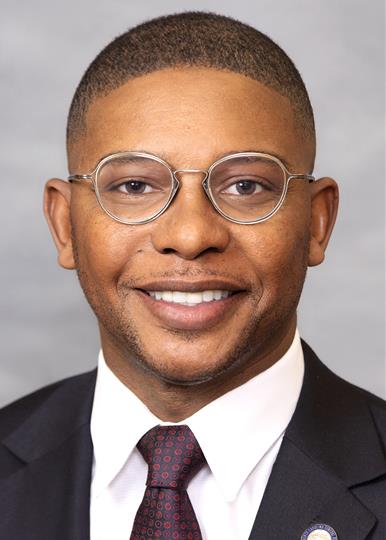
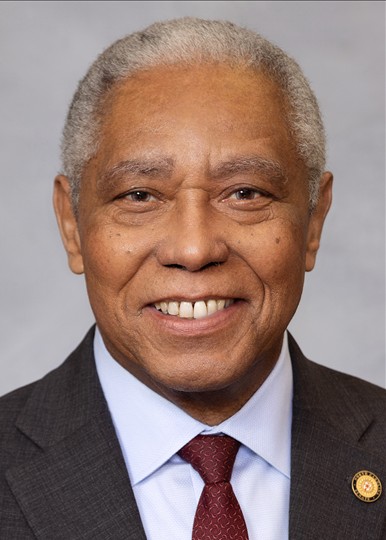
Key legislators
Who's moving labor & employment in North Carolina
Showing 4 of 4
bills
All labor & employment bills
HB 258, the Utility Worker Protection Act, increases penalties for assaulting utility and communications workers by designating such assaults as Class A1 misdemeanors - the highest misdemeanor level - when the worker is visibly identifiable (e.g., wearing company-logoed uniforms) and performing duties. It directly affects workers providing electricity, gas, telecommunications, or internet services, including those employed by public, private, or cooperative entities. The bill adds specific language to North Carolina’s assault statute, requiring prosecutors to apply this enhanced penalty for assaults meeting these criteria, without needing other legal provisions. The law takes effect December 1, 2025, applying to offenses committed on or after that date.
HB 389 establishes a two-year pilot program to create free child care workforce academies across North Carolina, directly affecting individuals seeking careers in child care with no prior experience. The program provides free training, credentialing support (including health screenings and background checks), and stipends ($150 upon completion, $500 after one year of employment) to help participants become lead teachers in licensed child care centers. It allocates $738,000 annually from the General Fund for 2025-2027 to cover tuition and stipends, requiring local partnerships to contribute 25% match. The pilot will launch in Johnston and Wayne counties plus 10 additional regions, with progress reports due by 2026 to evaluate expansion potential. (Note: The bill title "Continuing Budget Operations Part III" appears inconsistent with the actual content; the text focuses on child care workforce training.)
HB 568 modifies North Carolina's labor laws primarily to streamline safety inspections and administrative processes. It restricts subpoenas against Department of Labor staff during safety investigations (except in enforcement cases or with written consent), limits public hearings for adopting federal safety standards identical to federal rules, and requires medical examiners to share workplace injury reports with the Labor Commissioner within 30 days. The bill also clarifies that safety inspection documents remain admissible in court without witness testimony unless reliability is in question. These changes affect the Department of Labor, employers, and workers' safety investigators by altering how evidence is handled and shared in workplace safety cases.
HB 247 updates North Carolina's Underground Utility Safety and Damage Prevention Act to improve safety for construction and utility work. It requires utility companies (facility operators) to mark underground utility locations within 3 business days (10 days for underwater facilities) and sets clearer deadlines for excavators to provide notice before digging. The bill defines key terms like "soft dig technologies" (using air/water to dig) and "safety buffer zones" around utilities to reduce damage risks. These changes directly affect construction crews, utility companies, and contractors performing excavation work across the state.