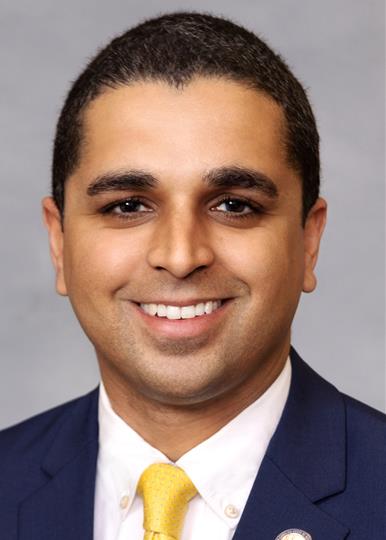
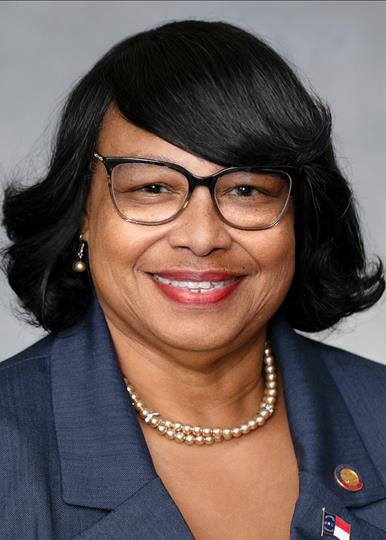
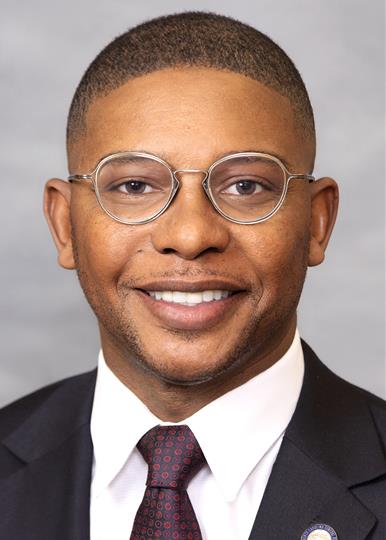
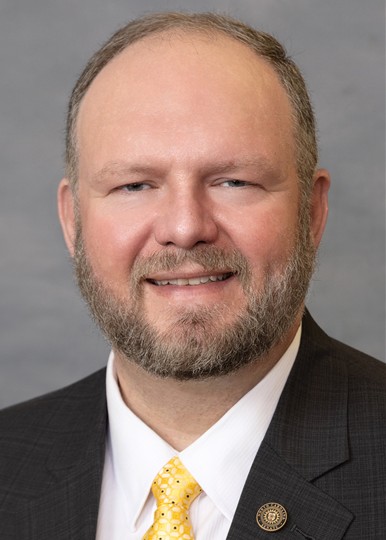
Key legislators
Who's moving labor & employment in North Carolina
Showing 2 of 2
bills
All labor & employment bills
This bill amends North Carolina's workplace violence prevention laws to include "mass picketing" as a form of unlawful conduct. It defines mass picketing as any picketing that obstructs entry to or exit from a workplace or public roads. The bill expands the definition of "unlawful conduct" to include hindering work or blocking access through mass picketing. This allows employers to seek civil no-contact orders against individuals engaging in these newly defined unlawful acts. The legislation explicitly states it does not apply to union activities or labor disputes protected by federal law.
SB 24 requires that any new state health insurance mandate must be paired with the repeal of an existing mandate and include funding to cover the new cost. It directly affects North Carolina employers (especially small businesses) and taxpayers by targeting mandates that increase insurance premiums and state health plan expenses. Key provisions mandate that new health benefit requirements (like coverage for specific treatments or drugs) must include both a repeal of an equivalent existing mandate and recurring state funding for the new cost. The bill applies to all health insurance plans, including the State Health Plan for Teachers and State Employees, and takes effect 30 days after enactment.