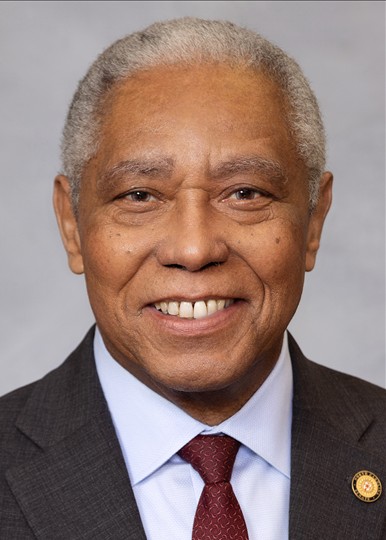
Key legislators
Who's moving labor & employment in North Carolina
Showing 4 of 4
bills
All labor & employment bills
This bill amends North Carolina's workplace violence prevention laws to include "mass picketing" as a form of unlawful conduct. It defines mass picketing as any picketing that obstructs entry to or exit from a workplace or public roads. The bill expands the definition of "unlawful conduct" to include hindering work or blocking access through mass picketing. This allows employers to seek civil no-contact orders against individuals engaging in these newly defined unlawful acts. The legislation explicitly states it does not apply to union activities or labor disputes protected by federal law.
HB 389 establishes a two-year pilot program to create free child care workforce academies across North Carolina, directly affecting individuals seeking careers in child care with no prior experience. The program provides free training, credentialing support (including health screenings and background checks), and stipends ($150 upon completion, $500 after one year of employment) to help participants become lead teachers in licensed child care centers. It allocates $738,000 annually from the General Fund for 2025-2027 to cover tuition and stipends, requiring local partnerships to contribute 25% match. The pilot will launch in Johnston and Wayne counties plus 10 additional regions, with progress reports due by 2026 to evaluate expansion potential. (Note: The bill title "Continuing Budget Operations Part III" appears inconsistent with the actual content; the text focuses on child care workforce training.)
SB 124 aims to make North Carolina state government hiring more accessible by reducing unnecessary barriers. It requires the State Human Resources Commission to review job requirements starting October 2025, removing mandatory four-year degree requirements where practical experience (like military service or trade school) is sufficient. The bill also modernizes the application process by allowing resume uploads to auto-fill forms and simplifies job postings to limit additional qualifications to five, ensuring applicants clearly see basic requirements. These changes apply to all state agencies hiring staff, directly affecting job seekers and hiring managers across North Carolina's government workforce.
SB 24 requires that any new state health insurance mandate must be paired with the repeal of an existing mandate and include funding to cover the new cost. It directly affects North Carolina employers (especially small businesses) and taxpayers by targeting mandates that increase insurance premiums and state health plan expenses. Key provisions mandate that new health benefit requirements (like coverage for specific treatments or drugs) must include both a repeal of an equivalent existing mandate and recurring state funding for the new cost. The bill applies to all health insurance plans, including the State Health Plan for Teachers and State Employees, and takes effect 30 days after enactment.