Issue · Immigration

Immigration

Every immigration bill, vote, and legislator stance in North Carolina, automatically classified by Maddy, our AI policy reader.

Total bills
56
119th Congress
Top supporter
Alma S. Adams
81% support rate
Top opponent
Gregory F. Murphy
14% support rate
Ranked legislators
10
5 support · 5 oppose
Key legislators

Who's moving immigration in North Carolina

Legislators moving immigration in North Carolina
Legislator Party Stance Support rate Votes
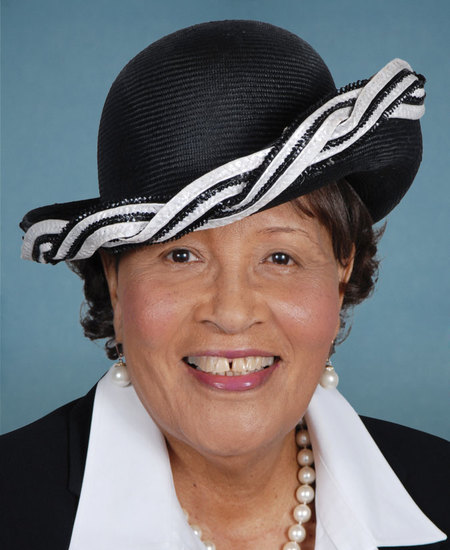
Alma S. Adams
Alma S. Adams House · District 12
D
Strong +
81% 150
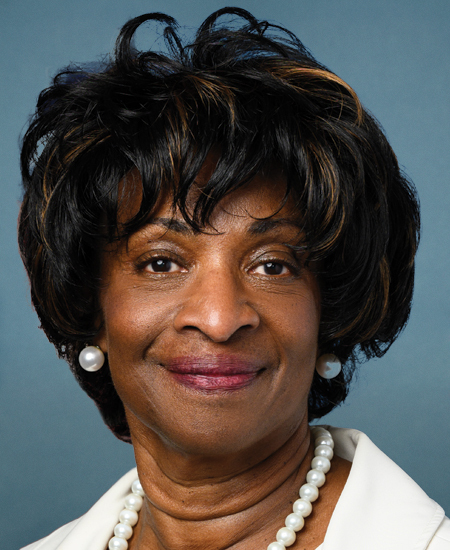
Valerie P. Foushee
Valerie P. Foushee House · District 4
D
Strong +
81% 145
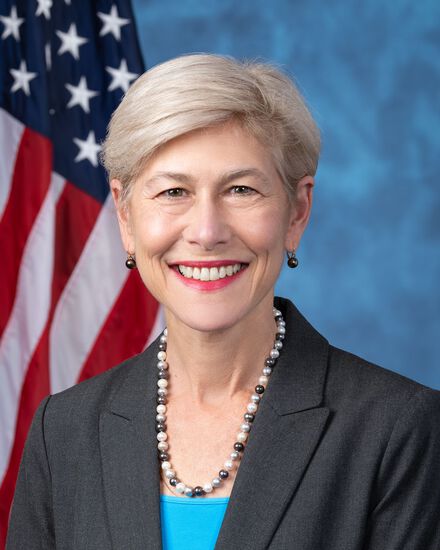
Deborah K. Ross
Deborah K. Ross House · District 2
D
Support
78% 149
Ted Budd
Ted Budd Senate
R
Support
70% 176
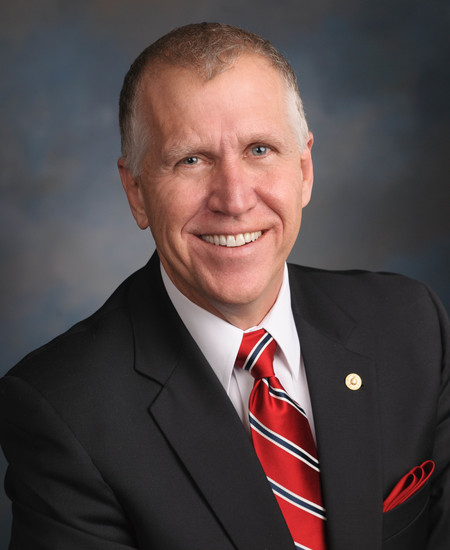
Thom Tillis
Thom Tillis Senate
R
Mixed
58% 174
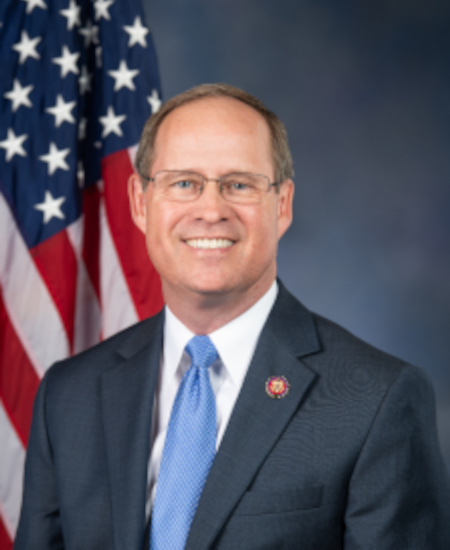
Gregory F. Murphy
Gregory F. Murphy House · District 3
R
Strong −
14% 123
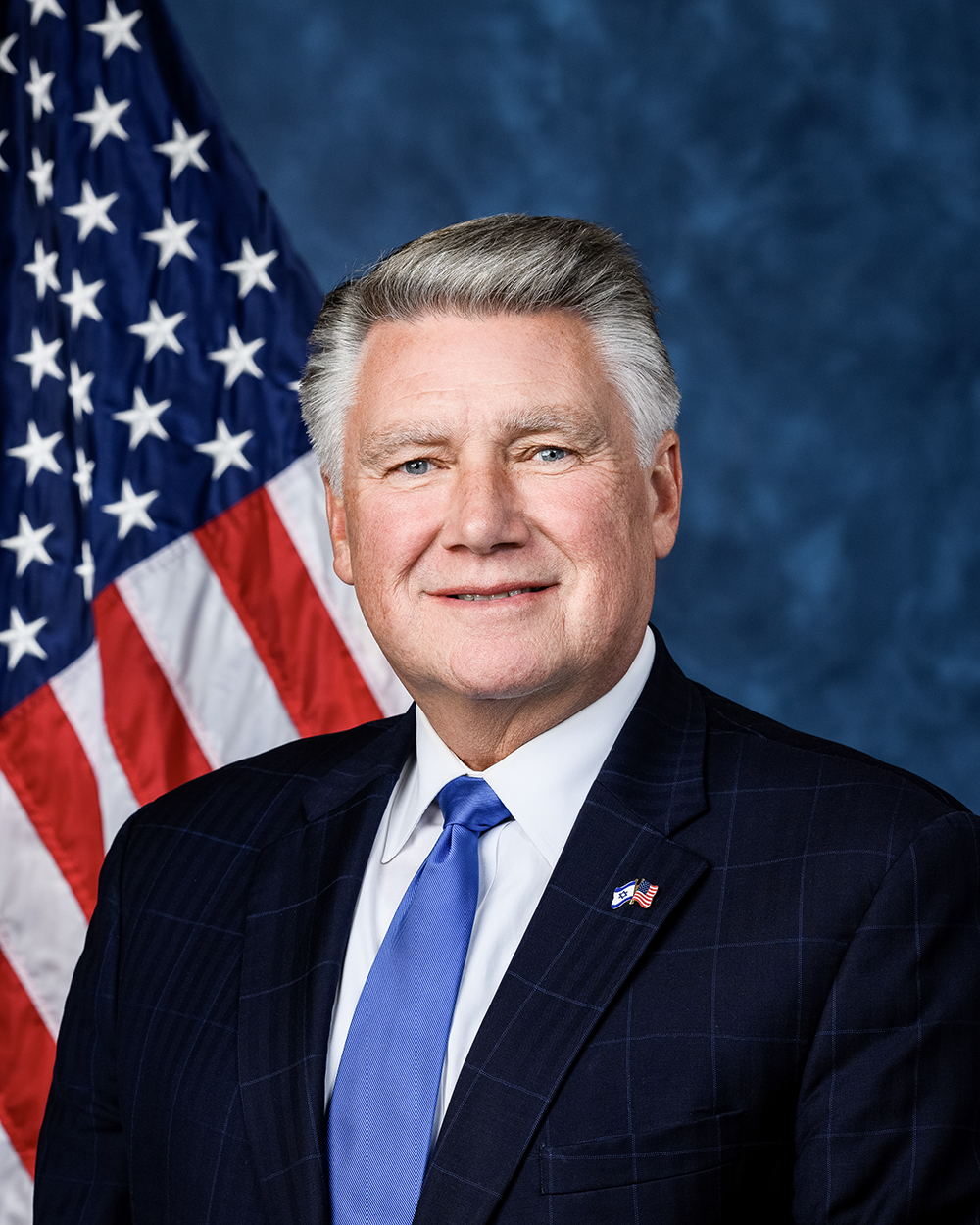
Mark Harris
Mark Harris House · District 8
R
Strong −
19% 150
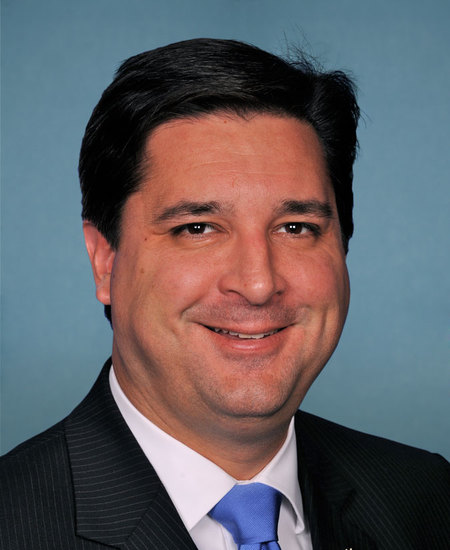
David Rouzer
David Rouzer House · District 7
R
Strong −
19% 148
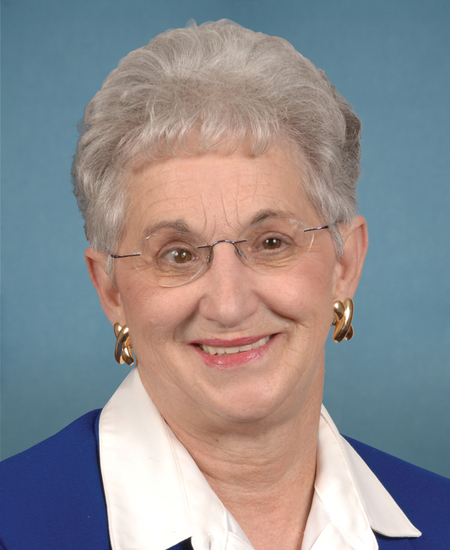
Virginia Foxx
Virginia Foxx House · District 5
R
Strong −
19% 150
Brad Knott
Brad Knott House · District 13
R
Strong −
19% 149
Showing 1–10 of 56 bills

All immigration bills

in committee · United States · House Jul 23, 2026

HR 9944: TPS Review Act

The Temporary Protected Status Review Act restores the ability of courts to review decisions by the Department of Homeland Security to end Temporary Protected Status (TPS) designations for foreign nationals. Under this bill, the government must publish detailed written findings explaining why a country no longer qualifies for TPS protection, and these decisions would be subject to a legal challenge in federal court. If a TPS designation is terminated, the affected individuals would remain in the United States with their current status and work authorization intact while the legal challenge is pending. Additionally, the legislation requires the government to follow specific administrative procedures, such as considering all available evidence and avoiding bias, before making any termination decisions.
Sub-Topics Work Authorization
in committee · United States · House Jun 23, 2026

HR 9414: Pell Grant Preservation and Expansion Act of 2026

The Pell Grant Preservation and Expansion Act of 2026 aims to increase financial aid for college students by raising the maximum Pell Grant amount to $15,000 by the 2031-2032 award year and ensuring the program is fully funded through mandatory spending rather than annual appropriations. The bill also expands eligibility for students who receive means-tested government benefits by automatically assigning them a lower financial need score, while simultaneously allowing Dreamer students - undocumented immigrants who meet specific criteria such as graduating high school or serving in the military - to qualify for federal aid. Additional provisions restore the total number of semesters a student can receive Pell Grants from 12 to 18 and adjust the rules for satisfactory academic progress to reduce penalties for students who struggle to meet grade requirements. Finally, the legislation restores Pell Grant eligibility for some students who previously received outside scholarships and sets the law's effective date for July 1, 2026.
in committee · United States · House Jun 30, 2026

HR 9432: LIFT the BAR Act

The LIFT the BAR Act aims to restore access to federal benefits for lawfully present noncitizens by repealing several restrictions imposed by the 1996 welfare reform law and a 2024 reconciliation bill. Specifically, it would allow eligible noncitizens to receive SNAP food assistance, Medicaid, CHIP, and child nutrition programs, while also updating legal terminology to refer to "noncitizens" rather than "aliens" in relevant statutes. The legislation includes provisions to ensure these individuals can qualify for premium tax credits and would require federal agencies to issue implementation guidance within 180 days of enactment.
in committee · United States · House Jun 11, 2026

HR 9270: Dignity and Due Process for Children Act of 2026

This bill, titled the Dignity and Due Process for Children Act of 2026, restricts how unaccompanied children under 18 are handled by immigration authorities in the United States. It requires immigration judges to issue an arrest warrant before detaining these children pending removal decisions and prohibits the use of military personnel or Department of Defense vehicles to transport them for deportation, except during declared natural disasters. Additionally, the law forbids government agencies from pressuring children to sign legal documents that affect their status without first ensuring they have confidential access to a lawyer, mandating legal referrals within five business days if a child does not already have one.
Sub-Topics Detention Enforcement Sanctuary Policies Tags Children
in committee · United States · House Jun 3, 2026

HR 9134: Protecting Student Privacy Act

The Protecting Student Privacy Act prevents federal student aid data from being shared with immigration enforcement agencies for the purpose of enforcing immigration laws. This rule applies to information held by the Department of Education regarding students and their financial contributors, such as parents or spouses, and blocks its use for arrests, interviews, or surveillance by the Department of Homeland Security and other authorized entities. The law includes specific exceptions for court orders related to criminal offenses and for cases where a student or contributor voluntarily and without pressure consents to sharing their information. Additionally, the bill requires the Secretary of Education to report any unauthorized disclosures to Congress and states that this new rule overrides any conflicting state or local laws.
in committee · United States · House Jul 7, 2026

HR 9099: DHS Release Transparency Act

The DHS Release Transparency Act requires the Department of Homeland Security to inform a designated contact person when a detained individual is released from Customs and Border Protection or Immigration and Customs Enforcement custody, provided the person was held for more than 12 hours. Under this bill, individuals in custody can choose to name a contact and provide their information, with the government obligated to attempt notification at least twice. The law also mandates that translation services be available in the detainee's preferred language for both selecting a contact and receiving release notifications. Additionally, the act specifies that any information gathered under this process cannot be used for law enforcement purposes.
in committee · United States · House May 7, 2026

HR 8683: To amend the Immigration and Nationality Act to codify the Optional Practical Training program.

This bill aims to make permanent the rules for Optional Practical Training, which allows international students to work in the United States after completing their studies. It directly affects F-1 visa holders by codifying their ability to gain up to 24 months of work experience related to their field of study, or up to 48 months if they studied science, technology, engineering, or mathematics. The legislation also directs the Department of Homeland Security to classify nursing as a STEM field, thereby extending the longer work authorization period to nursing graduates. By adding these provisions to federal law, the bill ensures that these work opportunities remain consistent and legally defined for future students.
in committee · United States · House Mar 18, 2026

HR 7975: Feeding Families Not Fear Act of 2026

The Feeding Families Not Fear Act of 2026 reverses specific provisions from the One Big Beautiful Bill Act of 2025 by restoring funding and benefits that were previously cut. It directly affects low-income families and individuals who rely on the Supplemental Nutrition Assistance Program (SNAP) by reinstating benefits that were reduced under earlier legislation. The bill achieves this by repealing two sections that increased funding for immigration and customs enforcement and another section that modified SNAP benefits under the Food and Nutrition Act of 2008. By removing these changes, the legislation returns SNAP provisions to their previous state as if the 2025 law had not been enacted.
in committee · United States · House Mar 17, 2026

HR 7961: H–1Bs for Physicians and the Healthcare Workforce Act

This bill exempts H-1B visa holders working in healthcare from a presidential restriction that requires a $100,000 payment for entry into the United States. It directly affects foreign medical professionals and healthcare workers who hold H-1B nonimmigrant visas. The legislation removes the additional fee requirement for these workers while limiting any fees that may be charged to the standard amount already established under immigration law. The bill defines healthcare workers using the existing definition from the Affordable Care Act and was introduced in the 119th Congress in March 2026.
in committee · United States · House Jan 21, 2026

HR 7170: Language Access to Gun Violence Prevention Strategies Act of 2026

This bill requires the Department of Justice and Health and Human Services to translate key gun violence prevention materials - including extreme risk protection orders and safe storage guides - into the 10 most common non-English languages in the U.S. (like Mandarin, Spanish, and Korean) for limited English proficient populations. It mandates that community-based organizations review translations for cultural appropriateness before publication and prioritizes grant applications that include outreach plans for these communities. The bill also directs DOJ and HHS to create public awareness campaigns using in-language, culturally tailored messaging to promote gun violence prevention strategies. These provisions apply directly to federally funded programs and services aimed at reducing firearm-related harm.
Showing 1 to 10 of 56 bills
1 2 3 6 Next