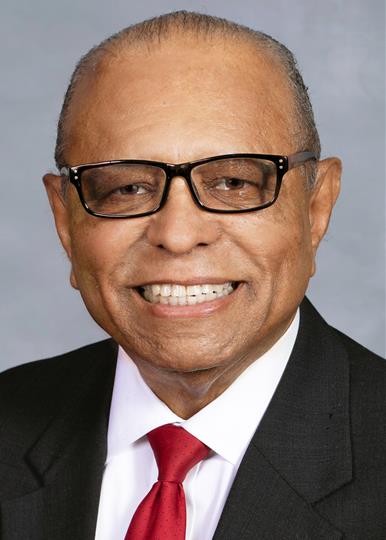
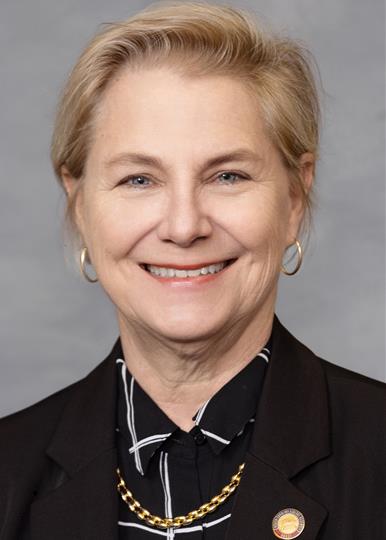
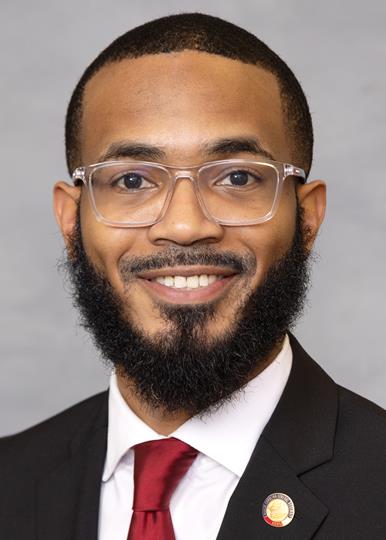
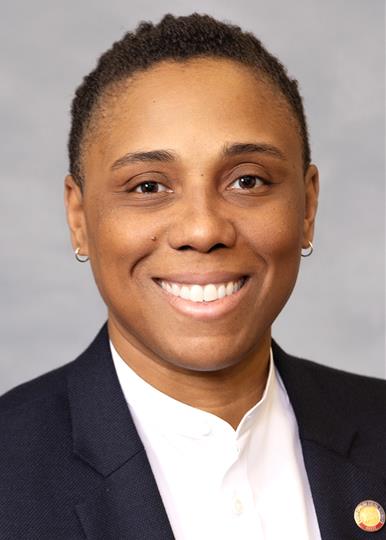
Key legislators
Who's moving housing in North Carolina
Showing 3 of 3
bills
All housing bills
HB 737 eliminates mandatory 20-hour training courses for insurance producers (agents/brokers) seeking licensure in North Carolina, replacing this requirement with a competency-based assessment. The bill also clarifies rules on insurance referral fees, updates capital calculation standards for the Department of Insurance, and restricts residential leases from requiring renters insurance. Additional provisions include adjustments to Medicare supplement licensing, continuous coverage rules for drivers with surcharges, and streamlined processes for multi-dealer registration. These changes directly affect insurance professionals, insurers, and consumers through modified licensing, coverage, and fee structures.
HB 251 prohibits North Carolina state agencies from denying disaster recovery assistance (like grants) based on a person's political affiliation or political speech. It applies to all applicants for state disaster aid, including U.S. citizens, nationals, and qualified aliens, and sets penalties of a Class I felony for violations. The bill also defines "temporary housing" (such as trailers or tents) and adds criminal penalties for stealing such housing during declared emergencies. These changes aim to ensure state disaster aid is distributed fairly and protect emergency housing resources.
HB 126 requires state and local agencies to seek input from agricultural advisory boards before condemning or rezoning farmland within voluntary agricultural districts. It mandates that agencies request public hearings on such proposals, giving boards 45 days to review and submit recommendations. Agencies cannot proceed with condemnation or rezoning actions while the board is processing the request, extending the timeline to 120 days after the board submits its findings. The bill directly affects landowners in these districts and agencies making land use decisions, effective October 1, 2025.