Issue · Healthcare

Healthcare

Every healthcare bill, vote, and legislator stance in North Carolina, automatically classified by Maddy, our AI policy reader.

Total bills
342
2025-2026 Session
Top supporter
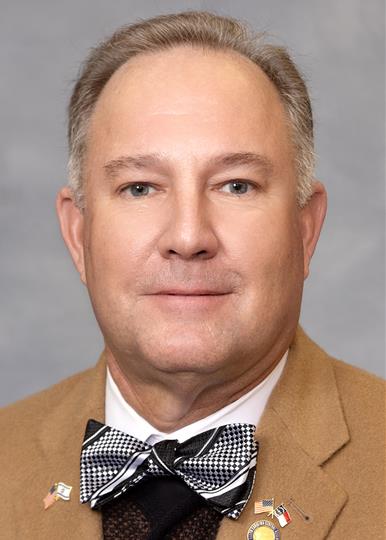
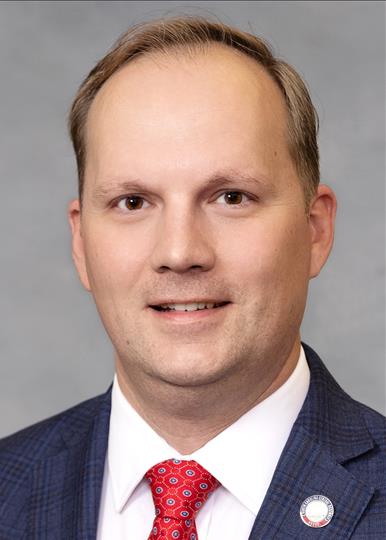
Jeff McNeely
89% support rate
Top opponent
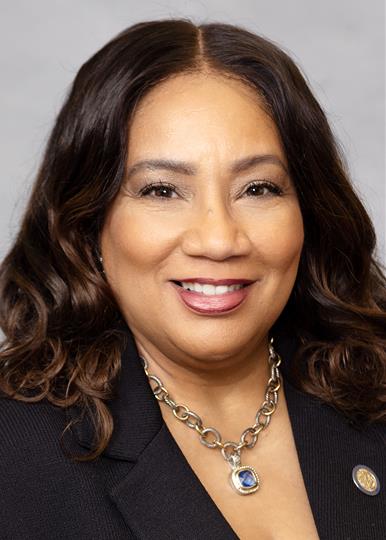
Amber Baker
0% support rate
Ranked legislators
10
5 support · 5 oppose
Key legislators

Who's moving healthcare in North Carolina

Legislators moving healthcare in North Carolina
Legislator Party Stance Support rate Decisive votes
Jeff McNeely
Jeff McNeely House · District 84
R
Strong +
89% 9
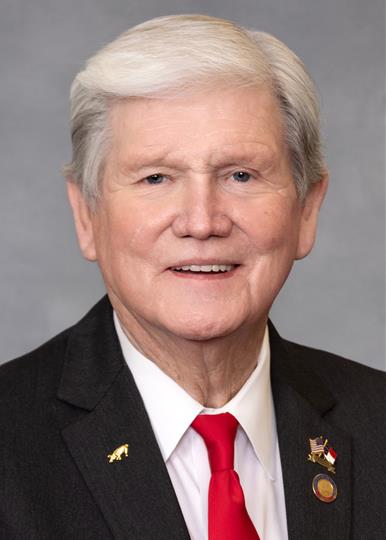
Jimmy Dixon
Jimmy Dixon House · District 4
R
Strong +
89% 9
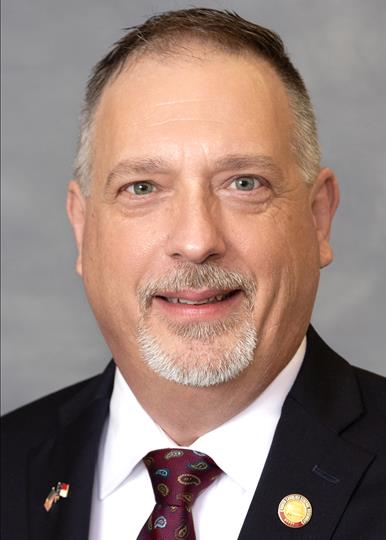
Kelly Hastings
Kelly Hastings House · District 110
R
Strong +
89% 9
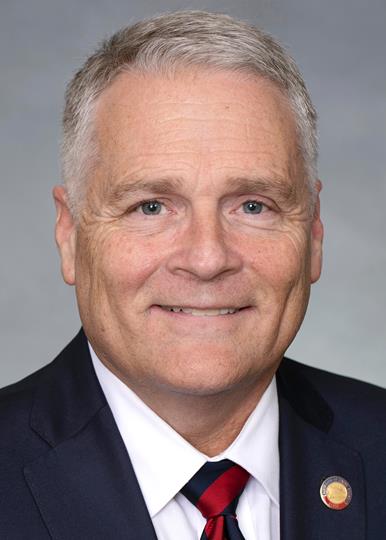
Ray Pickett
Ray Pickett House · District 93
R
Strong +
89% 9
Allen Chesser
Allen Chesser House · District 25
R
Strong +
88% 8
Amber Baker
Amber Baker House · District 72
D
Strong −
0% 6
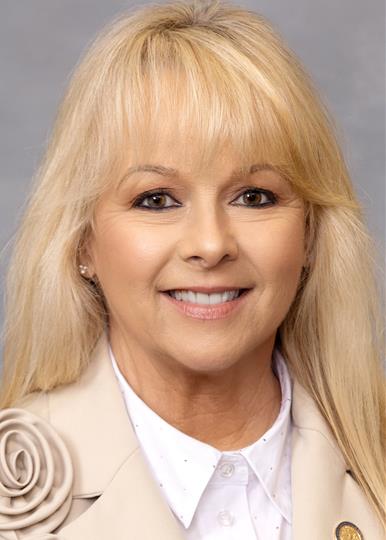
Julia Greenfield
Julia Greenfield House · District 100
D
Strong −
20% 10
Maria Cervania
Maria Cervania House · District 41
D
Strong −
20% 10
Mary Belk
Mary Belk House · District 88
D
Strong −
20% 10
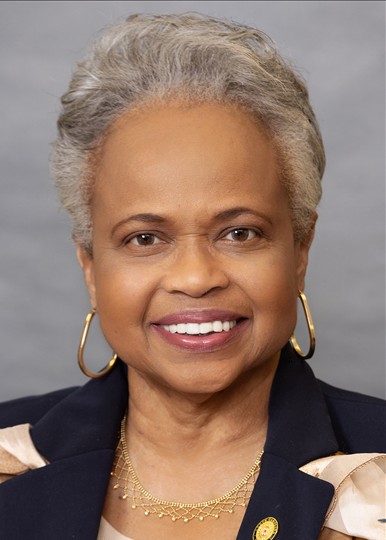
Gladys Robinson
Gladys Robinson Senate · District 28
D
Strong −
20% 5
Showing 81–90 of 342 bills

All healthcare bills

in committee · North Carolina · Senate May 4, 2026

SB 964: Expanded Acc. to Doulas and Midwives/BC Lic.

This bill expands North Carolina Medicaid coverage to include doula services during pregnancy and the postpartum period while establishing a licensing system for certified professional midwives and birth centers. To support these changes, the state will seek approval from the federal government to cover doula care, create a new council to oversee midwife licensing, and appropriate funds to reimburse doulas and assist the workforce. The legislation defines specific skills doulas must possess, such as newborn care and cultural awareness, and sets up a regulatory framework that distinguishes licensed midwives from other healthcare providers like nurses and physicians.
Sub-Topics Medicaid
in committee · North Carolina · House Apr 30, 2026

HB 1098: Rural Commuter Microtransit Pilot Grant.

This bill creates a new grant program in North Carolina to fund public car and shuttle services in rural counties with low population density. Eligible recipients, such as counties and transit authorities, can use the funds to support commuter travel during peak hours or provide on-demand rides for medical appointments and grocery shopping during off-peak times. To receive funding, applicants must secure a local match of at least 50% and ensure that employers contribute a minimum of 20% for peak-hour commuter services. The program is financed by a $30 million appropriation from the Highway Fund and is scheduled to begin on July 1, 2026.
Sub-Topics Appropriations Public Transit Roads & Highways Tags Rural Communities
died · North Carolina · Senate Apr 30, 2026

SB 911: Protect Children Born from Fertility Care Act.

SB 911, titled the Protect Children Born from Fertility Care Act, modifies North Carolina laws to clarify parental rights and establish legal remedies for specific fertility care incidents. The bill ensures that children conceived through artificial insemination are treated identically to naturally conceived children and defines clear consent requirements for parents, including provisions for situations where consent forms are missing but parental intent is evident. Additionally, it creates a civil cause of action allowing patients or their children to sue healthcare providers who knowingly used their own reproductive material without the patient's informed written consent, with a five-year statute of limitations for minors.
died · North Carolina · Senate Apr 23, 2026

SB 799: Restore State Emp/Teacher Retiree Med Benefit.

This bill prevents the elimination of medical benefits for retired teachers and state employees in North Carolina who began their careers on or after January 1, 2021. It achieves this by removing previous restrictions that would have ended these benefits and applies retroactively to December 31, 2020. To cover the resulting increase in healthcare costs, the legislation appropriates two million dollars from the state's general fund for the 2026-2027 fiscal year. The changes are scheduled to officially take effect on July 1, 2026.
Sub-Topics State Budget Teachers
in committee · North Carolina · Senate Apr 29, 2026

SB 855: Community-Based Pharmacy Protections.

This bill expands the legal definition of an independent pharmacy in North Carolina to include community-based pharmacies owned by small groups with ten or fewer locations. The law specifically covers businesses that are not publicly traded and focus primarily on pharmacy services. Additionally, the legislation allocates $100,000 from the state's general fund to the Department of Insurance to help enforce these new rules starting in the 2026-2027 fiscal year.
in committee · North Carolina · House May 4, 2026

HB 1138: Aging With Dignity Act.

HB 1138, known as the Aging With Dignity Act, aims to improve long-term care for older North Carolinians by prioritizing home-based services over institutional care for Medicaid beneficiaries aged 55 and older. The bill mandates that institutional placement be the exception rather than the rule, requiring documented medical justification and regular reassessments to ensure individuals remain in the most integrated setting possible. It also establishes a requirement for periodic medication reviews to prevent adverse drug interactions and reduce hospitalizations, while integrating behavioral health services into geriatric care plans. Additionally, the legislation appropriates funds for strategic investments in the state's aging infrastructure and reestablishes a study commission to address the needs of the growing senior population.
Sub-Topics Long-Term Care Medicaid Mental Health Tags Seniors
died · North Carolina · Senate Apr 23, 2026

SB 825: School-Based Complaint/SROs.

This bill establishes a formal definition for school resource officers and mandates specific training for them, focusing on mental health, racial equity, and de-escalation techniques. It requires that any complaint about student delinquency filed by a school resource officer must be signed by a school administrator or social worker before it can be sent to juvenile court. To support these changes, the legislation creates a grant program to help schools cover increased salary costs associated with hiring and training officers, with funding prioritized for rural and lower-grade schools. These new requirements and funding provisions are scheduled to take effect starting in the 2026-2027 school year.
in committee · North Carolina · Senate Apr 29, 2026

SB 860: Nonprofit Fundraising Sales Tax Exemption.

This bill expands sales tax exemptions in North Carolina for specific nonprofit organizations and adds a new exemption for diapers and incontinence underpads prescribed by Medicaid providers. It clarifies which types of nonprofits, such as hospitals and certain 501(c)(3) groups, qualify for tax-free purchases of goods and services needed for their operations, while explicitly excluding certain utility services and liquor. The legislation also establishes a formal application process requiring nonprofits to obtain an exemption number from the state and imposes liability for back taxes if the exemption number is misused. Additionally, the bill modifies ownership rules for property used by charities and sets annual dollar limits on the total tax exemptions and refunds available to eligible entities.
died · North Carolina · Senate May 4, 2026

SB 961: Hospital Authority Commissioner Reforms.

This bill reformulates the composition of hospital authority boards in North Carolina to ensure greater public and elected official representation. It mandates that each board include at least four public members and four elected officials, while also requiring that board meetings follow specific open meeting laws. To prevent all members from leaving at once, the law establishes a staggered term system where initial terms range from one to two years before standardizing to three years. Additionally, the state provides $50,000 in funding to assist hospital authorities with the transition to these new requirements by December 2026.
Sub-Topics Hospitals
died · North Carolina · Senate Apr 30, 2026

SB 910: Expanding Insurance Coverage/Fertility Care.

SB 910 requires health insurance plans in North Carolina that cover pregnancy-related benefits to also cover infertility care for diagnosed individuals. The bill mandates specific coverage limits, including at least four oocyte retrievals, unlimited embryo transfers, and unlimited cycles of intrauterine and intracervical insemination. It also requires insurance to cover fertility preservation services, such as egg or embryo freezing, when a person has a medical condition that could impair their future fertility. This legislation directly affects insurance providers and individuals seeking assisted reproductive technologies or fertility preservation in the state.
Sub-Topics Insurance
Showing 81 to 90 of 342 bills
Previous 1 … 8 9 10 … 35 Next