Issue · Healthcare

Healthcare

Every healthcare bill, vote, and legislator stance in North Carolina, automatically classified by Maddy, our AI policy reader.

Total bills
342
2025-2026 Session
Top supporter
Ray Pickett
89% support rate
Top opponent
Amber Baker
0% support rate
Ranked legislators
10
5 support · 5 oppose
Key legislators

Who's moving healthcare in North Carolina

Legislators moving healthcare in North Carolina
Legislator Party Stance Support rate Votes
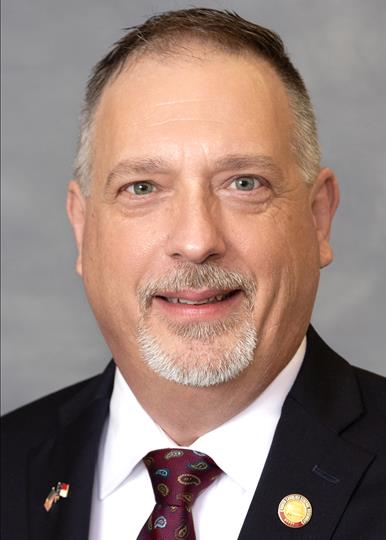
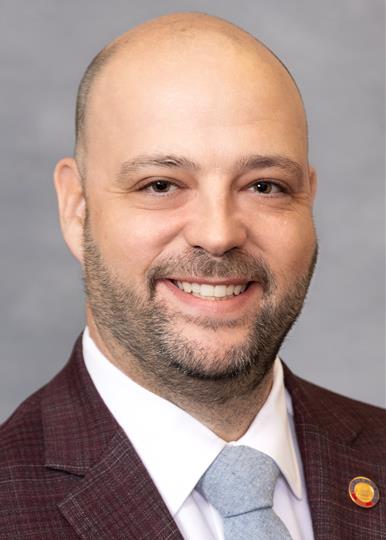
Ray Pickett
Ray Pickett House · District 93
R
Strong +
89% 22
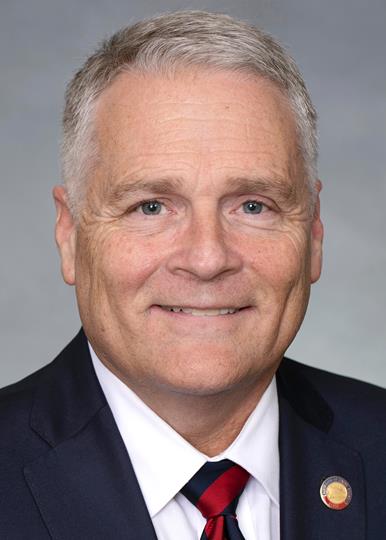
Kelly Hastings
Kelly Hastings House · District 110
R
Strong +
89% 23
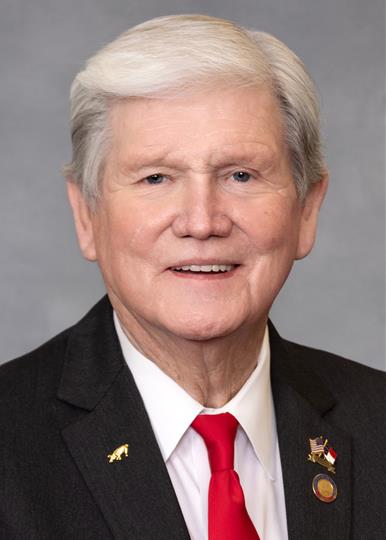
Jimmy Dixon
Jimmy Dixon House · District 4
R
Strong +
89% 24
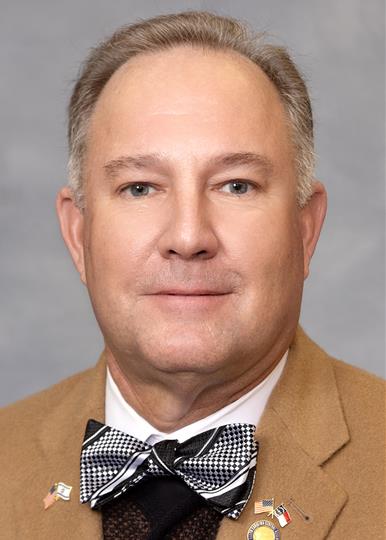
Jeff McNeely
Jeff McNeely House · District 84
R
Strong +
89% 25
Bryan Cohn
Bryan Cohn House · District 32
D
Strong +
88% 22
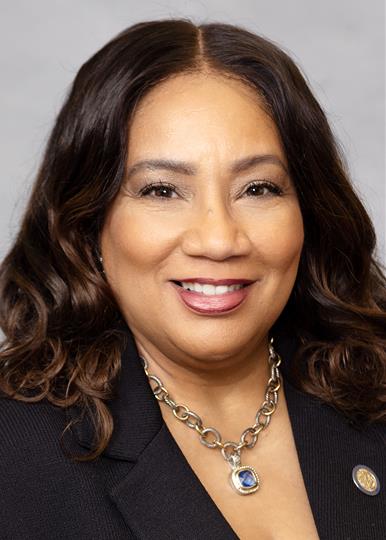
Amber Baker
Amber Baker House · District 72
D
Strong −
0% 19
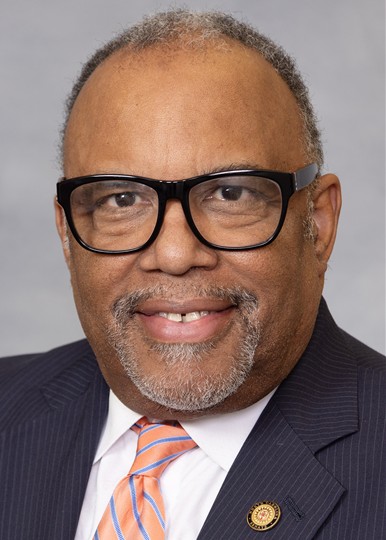
Paul Lowe
Paul Lowe Senate · District 32
D
Strong −
20% 15
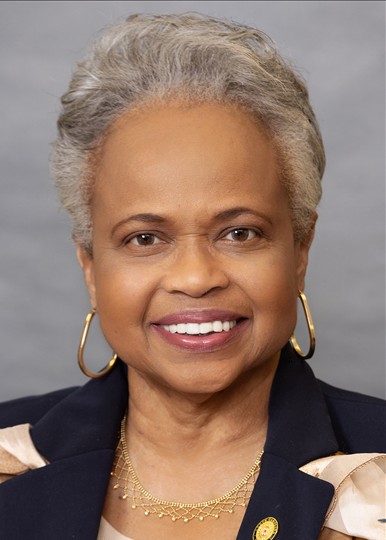
Gladys Robinson
Gladys Robinson Senate · District 28
D
Strong −
20% 16
Mary Belk
Mary Belk House · District 88
D
Strong −
20% 26
Maria Cervania
Maria Cervania House · District 41
D
Strong −
20% 26
Showing 301–310 of 342 bills

All healthcare bills

passed · North Carolina · House Apr 10, 2025

HB 123: Criminal Falsification of Medical Records.

HB 123 makes it a crime for health care providers to willfully destroy, alter, or falsify medical records to conceal medical errors causing patient harm, illegally obtain money, or hide facts related to potential legal claims. It creates specific criminal penalties: a serious felony for hiding errors that caused injury or death, a lesser felony for financial gain, and a misdemeanor for other concealment. The law applies to all health care providers and becomes effective December 1, 2025. It explicitly states this does not affect existing civil remedies available to patients.
passed · North Carolina · Senate Apr 15, 2025

SB 335: Pharmacists/Test and Treat/Influenza and Strep.

Senate Bill 335 allows pharmacists to order and perform CLIA-waived tests to treat influenza, provided they follow statewide protocols and do not use controlled substances. The bill mandates that health benefit plans cover healthcare services provided by pharmacists if the services are within their licensed scope of practice and would be covered if performed by another healthcare provider. It also ensures consistent application of prescription drug and pharmacy service coverage requirements across insurers, third-party administrators, and pharmacy benefits managers. These changes aim to expand access to certain healthcare services through pharmacists, affecting patients, pharmacists, and health insurance providers. Most provisions become effective October 1, 2025.
in committee · North Carolina · House Apr 14, 2025

HB 944: Community Health Services/Mecklenburg County/Fund.

HB 944 appropriates $1.5 million from the state General Fund to the Department of Health and Human Services for a directed grant to Care Ring, Inc., a nonprofit community health clinic in Mecklenburg County. The funding supports the clinic’s operations to provide primary care services to medically vulnerable residents facing geographic, economic, or other barriers to care. This grant specifically targets patients who would otherwise be unable to access necessary primary care due to these challenges. The bill directs all funds to be used for the clinic’s core operations during the 2025-2026 fiscal year.
in committee · North Carolina · House Apr 15, 2025

HB 558: Criteria for Prepaid Health Plan Contract Procurement.

HB 558 updates how North Carolina selects Medicaid health plans by limiting statewide contracts to four and allowing up to 12 regional contracts through local health providers. It requires the state to prioritize bids from local providers and those with high provider satisfaction scores from existing contracts. The bill also mandates staggered contract terms (3-5 years) to prevent coverage gaps during transitions. These changes directly affect Medicaid health plan contractors and the Division of Health Benefits, aiming to stabilize coverage and improve provider relationships.
Sub-Topics Insurance Medicaid
in committee · North Carolina · House Apr 14, 2025

HB 888: NC Community Health Worker Association/Funds.

HB 888 appropriates $1 million from the General Fund to the North Carolina Community Health Worker Association (a nonprofit) for the 2025-2026 fiscal year. The funds will directly support the Association's work in mobilizing, training, and certifying community health workers across North Carolina. This grant enables the Association to expand its workforce development efforts, specifically targeting the training and certification of community health workers. The bill affects the Association's operations and the community health workers they certify, but does not change health service delivery or eligibility for residents. The appropriation becomes effective July 1, 2025.
in committee · North Carolina · House Apr 14, 2025

HB 984: Regulate Research of Medical Cannabis.

HB 984 creates a framework for medical cannabis research in North Carolina, permitting studies on cannabis as a treatment for qualifying medical conditions. It establishes a state database requiring research institutions (like hospitals or universities), physicians, caregivers, and patients to register, while setting strict product limits (under 0.9% THC, at least 5% CBD). The bill protects registered researchers, caregivers, and patients from prosecution for participating in approved studies and requires secure disposal of unused cannabis. It directly affects medical researchers, healthcare providers issuing certifications, and patients enrolled in these studies, but does not legalize recreational use or broader medical access.
in committee · North Carolina · Senate Mar 18, 2025

SB 315: More Transparency/Efficiency in Utiliz. Rev.

SB 315 improves transparency and efficiency in insurance reviews of medical services by setting strict timeframes for insurers to make decisions. For urgent care, insurers must decide within 24 hours; for non-urgent care, within three business days after receiving all necessary information. The bill also requires insurers to clearly explain review processes in patient handbooks, on websites, and on membership cards, and to notify both patients and providers of outcomes. Additionally, it mandates that appeal reviews be conducted by qualified medical professionals without conflicts of interest, ensuring fairer assessments of coverage disputes.
in committee · North Carolina · Senate Mar 17, 2025

SB 287: Safeguard Health Ins. Utilization Reviews.

SB 287 prohibits health insurers from using artificial intelligence algorithms as the sole basis to deny, delay, or modify healthcare services based on medical necessity. The bill requires that only licensed and qualified healthcare providers make these determinations, and insurers must verify that third-party contractors (like pharmacy benefits managers) comply with this rule. It directly affects health insurers, pharmacy benefits managers, and the North Carolina State Health Plan for teachers and state employees, which must review its contracts and practices for compliance. The law takes effect 30 days after enactment and focuses on ensuring human medical judgment remains central to coverage decisions.
passed · North Carolina · Senate May 6, 2026

SB 316: Lower Healthcare Costs.

SB 316 requires North Carolina hospitals and ambulatory surgical facilities to publicly disclose detailed pricing information for common medical services, including full charges, negotiated rates, and reimbursements from Medicaid, Medicare, and major insurers. Beginning in 2015, these facilities must submit quarterly reports to the state health department on the 100 most frequent inpatient diagnoses (DRGs) and common surgical/imaging procedures. The data will be made publicly available online, enabling patients and employers to compare costs and make informed healthcare decisions. This bill directly affects healthcare providers by mandating transparency but does not alter insurance coverage or set price limits. Its key mechanism is standardized reporting of pricing data to foster competition and affordability in the healthcare market.
in committee · North Carolina · House Apr 16, 2025

HB 820: Prescription Eye Drop Early Refill Coverage.

House Bill 820 requires health benefit plans in North Carolina to provide coverage for early refills of prescription eye drops. This means insurers cannot deny a refill for a 30-day supply if at least 21 days have passed since the last fill, or if the patient has used 70% of the medication according to their healthcare provider's instructions. The bill also specifies that the requested refill must not exceed the total number of refills indicated on the original prescription. These requirements apply to all health benefit plans, including the State Health Plan, with an effective date of October 1, 2025, or the subsequent plan year.
Sub-Topics Insurance
Showing 301 to 310 of 342 bills
Previous 1 30 31 32 35 Next