

Issue · Healthcare
Healthcare
Every healthcare bill, vote, and legislator stance in North Carolina, automatically classified by Maddy, our AI policy reader.
Total bills
342
2025-2026 Session
Top supporter
Ray Pickett
89% support rate
Top opponent
Amber Baker
0% support rate
Ranked legislators
10
5 support · 5 oppose
Key legislators
Who's moving healthcare in North Carolina
| Legislator | Party | Stance | Support rate | Votes |
|---|---|---|---|---|
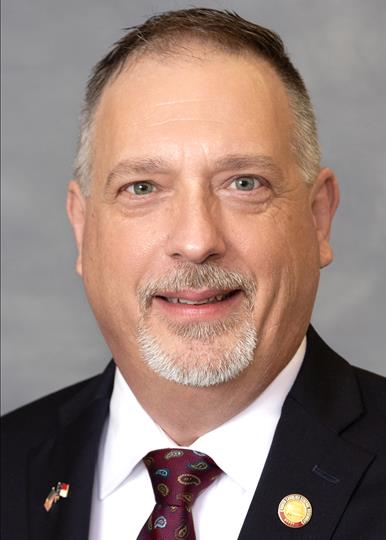
Ray Pickett
House · District 93
|
R |
Strong +
|
89% | 22 |
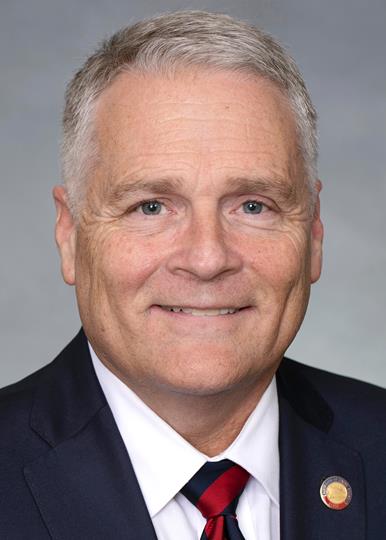
Kelly Hastings
House · District 110
|
R |
Strong +
|
89% | 23 |
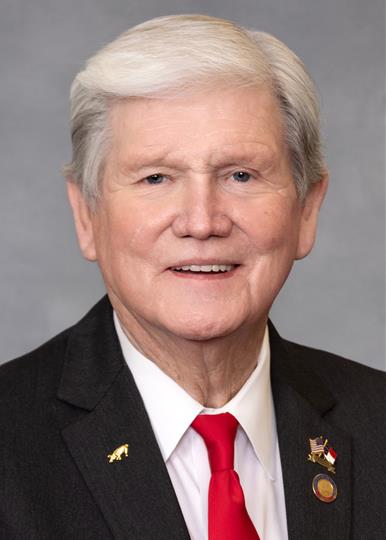
Jimmy Dixon
House · District 4
|
R |
Strong +
|
89% | 24 |
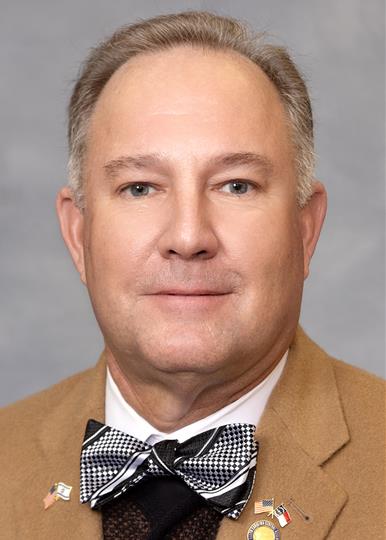
Jeff McNeely
House · District 84
|
R |
Strong +
|
89% | 25 |
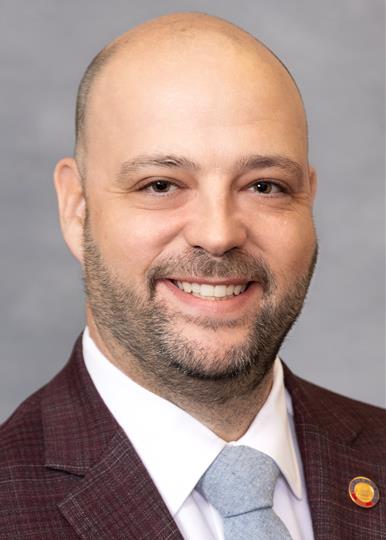
Bryan Cohn
House · District 32
|
D |
Strong +
|
88% | 22 |
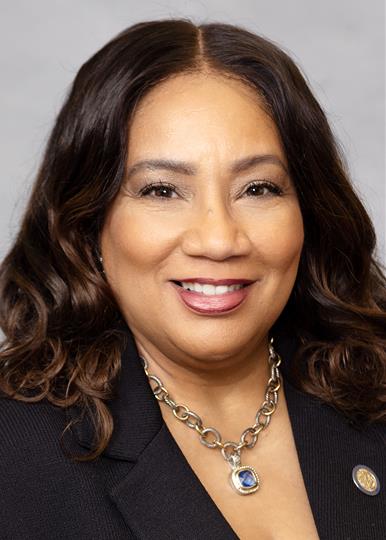
Amber Baker
House · District 72
|
D |
Strong −
|
0% | 19 |
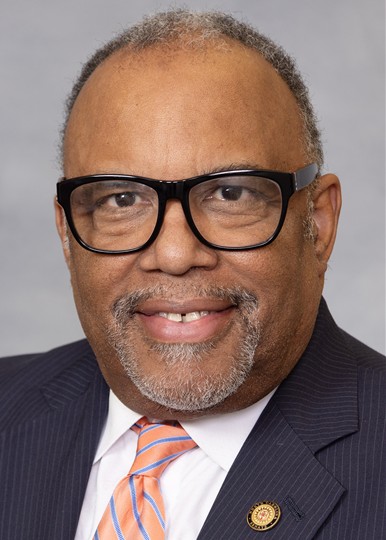
Paul Lowe
Senate · District 32
|
D |
Strong −
|
20% | 15 |
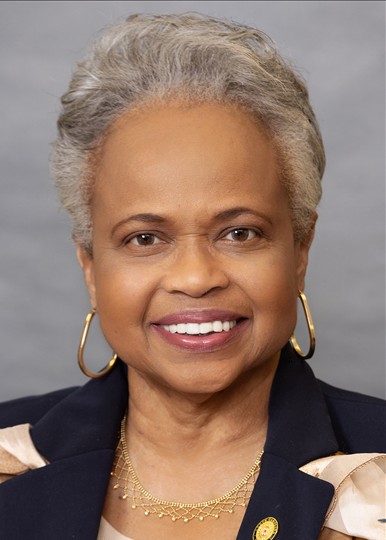
Gladys Robinson
Senate · District 28
|
D |
Strong −
|
20% | 16 |
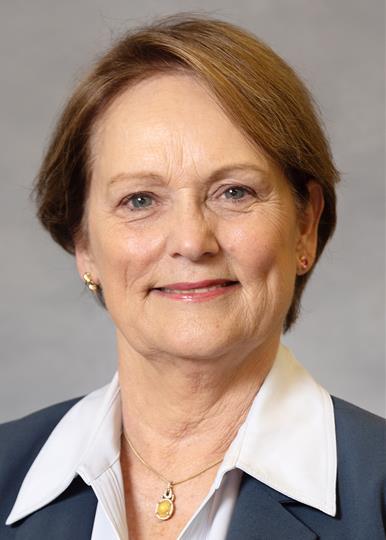
Mary Belk
House · District 88
|
D |
Strong −
|
20% | 26 |
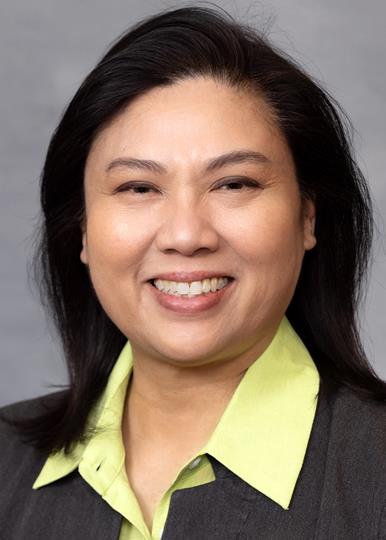
Maria Cervania
House · District 41
|
D |
Strong −
|
20% | 26 |
Showing 291–300 of 342
bills
All healthcare bills
HB 721: Muddy Sneakers/St. Gerard House.
Topics
✓ Budget & TaxesSupports Budget & TaxesAllocates $500k and $2.75M from General Fund for education and autism programs, directly advancing public service funding per appropriations language.
✓ EducationSupports EducationFunds fifth-grade science programs aligned with state standards and autism treatment programs, directly advancing educational access and student support in K-12 settings.
✓ HealthcareSupports HealthcareBill allocates $2.75M for autism treatment programs, directly funding mental health services under the mental health subject.
Sub-Topics
State Budget
HB 664: Eliminate PET Scanners from Certificate of Need Review.
HB 714: Universal Healthcare.
Topics
✓ Budget & TaxesSupports Budget & TaxesAppropriates $100,000 for healthcare plan development, funding a public service expansion under state budget
✓ HealthcareSupports HealthcareCreates state-run universal healthcare plan with sliding-scale premiums for uninsured residents above Medicaid, expanding coverage to a new demographic.
HB 673: Neonatal Transport Assistance.
Topics
✓ Budget & TaxesSupports Budget & TaxesAllocates $656,000 annually from state General Fund for neonatal transport, increasing public service funding under budget appropriations.
✓ HealthcareSupports HealthcareAllocates $656k state funds to cover neonatal transport costs denied by insurance, removing financial barriers to critical healthcare access for newborns.
HB 750: Community Health Center Grants for Long-Acting Reversible Contraceptives.
Topics
✓ Budget & TaxesSupports Budget & TaxesAppropriates $2.5M annually for health center grants, directly increasing public funding for essential healthcare services under budgeting subjects.
✓ HealthcareSupports HealthcareFunds community health centers to provide LARCs for underserved patients, expanding access to contraceptive care and supporting public health services.
Sub-Topics
Primary Care
HB 736: Pharmacists/Test and Treat.
HB 758: Mind and Heart Haven Project/Funds.
Topics
✓ Budget & TaxesSupports Budget & TaxesAppropriates $100,000 from state General Fund to fund mental health services, directly advancing public service funding through budget allocation.
✓ HealthcareSupports HealthcareAllocates $100k grant to fund mental health services via nonprofit for community mental health initiatives in Forsyth County.
Sub-Topics
State Budget
HB 766: Expand Access to Teen Mental Health First Aid.
Topics
✓ Budget & TaxesSupports Budget & TaxesAllocates $1.87M for teen mental health training via state budget, directly increasing public service funding under appropriations.
✓ EducationSupports EducationFunds $1.87M for high school mental health training (grades 9-12), directly enhancing student support programs within K-12 education per bill's purpose.
✓ HealthcareSupports HealthcareFunds $1.87M for teen mental health training, directly expanding access to mental health services for minors through school-based programs.
HB 796: The Student Mental Health Line Awareness Act.
Topics
✓ EducationSupports EducationMandates suicide prevention resources on student IDs in public schools, enhancing student mental health support within K-12 educational setting.
✓ HealthcareSupports HealthcareMandates inclusion of suicide prevention contacts on student IDs to improve access to mental health crisis services, directly supporting mental health access.