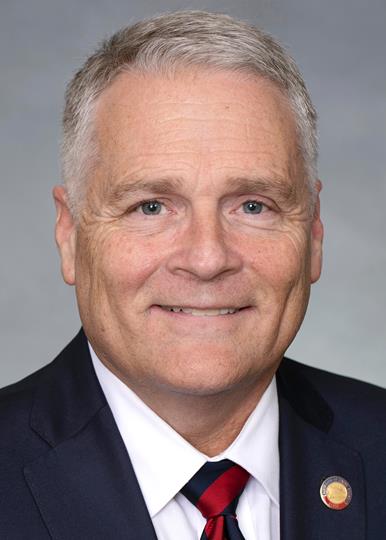
SB 567 adjusts Medicaid reimbursement rates for substance use disorder (SUD) treatment services in North Carolina. It increases daily rates for outpatient programs (e.g., $255.28 for level 2.1 care) and establishes new coverage for residential treatment levels (e.g., $350/day for level 3.1), with higher rates for medically monitored services like detox ($756.65/day). The bill appropriates $15 million annually from the state General Fund to cover these rate changes, matching $27.4 million in federal funds for the 2025-2027 biennium. These changes directly affect Medicaid-certified SUD treatment providers by increasing their reimbursement rates for specific service levels, effective July 1, 2025.
SB 414 allows licensed pharmacists (specifically clinical pharmacist practitioners) to test for and treat certain conditions like influenza, COVID-19, and strep throat using FDA-approved CLIA-waived tests, without requiring a physician referral. It mandates that health insurers cover these pharmacist-provided services at the same level as services from other healthcare providers, if performed within the pharmacist’s scope of practice. The bill prohibits pharmacists from treating conditions with controlled substances (Schedules I-IV) and requires statewide protocols for implementation by October 1, 2025. This directly affects pharmacists, patients seeking these specific services, and health insurers across North Carolina.
SB 566 updates North Carolina's health insurance laws to require equal coverage for substance use disorder treatment as for physical health conditions. It replaces outdated terms like "chemical dependency" with "substance use disorder" in state statutes and mandates that medical necessity determinations for addiction treatment must use the same clinical criteria applied to physical health conditions. This directly affects health insurers offering group plans and patients seeking addiction treatment, ensuring they face no stricter coverage limits than for other medical issues. The bill aligns North Carolina's requirements with federal mental health parity law (the Paul Wellstone Act) by explicitly including substance use disorders under coverage parity rules.
SB 413, titled "Right to Use Contraception," declares that North Carolina has no legitimate interest in limiting access to contraception for pregnancy prevention. It directly affects all residents by affirming their right to use contraception without state interference, adding a new legislative declaration to the state statutes. The bill’s key mechanism is a policy statement in Chapter 90 of North Carolina’s General Statutes, explicitly stating that preventing pregnancy through contraception is protected. It does not change existing laws or create new regulations but formally codifies this policy position. The measure is currently in early committee review after its initial filing and first reading.
SB 466 ensures continuity of care for North Carolina Medicaid beneficiaries with behavioral health and intellectual disabilities (BH IDD) who use specialized "Tailored Plans." It allows these individuals to stay in the standard Medicaid fee-for-service program (Medicaid Direct) if their current healthcare providers aren't in their Tailored Plan's network, and to choose a Tailored Plan outside their geographic area if it offers better services or provider access. The bill also requires the state to submit CMS waiver amendments by July 2025 and report to lawmakers by August 2025 on promoting competition among managed care organizations to improve care quality. These changes directly affect BH IDD Medicaid participants and aim to reduce disruptions in their healthcare.
SB 467, the "Right to Reproductive Freedom Act," codifies protections from the Supreme Court's *Roe v. Wade* and *Planned Parenthood v. Casey* rulings into North Carolina law. It prohibits the state from imposing "undue burdens" on abortion access before fetal viability (approximately 24 weeks), allowing restrictions only to preserve life or health after viability. The bill updates consent rules to let minors consent to abortion care without parental notification (under specific medical circumstances), clarifies healthcare provider immunity, and requires health insurance plans to cover abortion-related complications even if they don’t cover the procedure itself. This directly affects all patients seeking abortion services in North Carolina, particularly those facing prior barriers like young people, low-income individuals, and rural residents.
SB 464 creates a new team-based care coordination service for Medicaid recipients with substance use disorders, including screening, medication treatment, recovery support, and case management. It also changes Medicaid policy to suspend coverage during incarceration (rather than terminate it), aligning with federal law to maintain access to care upon release. The bill requires the state health department to develop this service, report costs and implementation plans by October 2025, and launch a statewide education campaign for providers. This directly affects Medicaid enrollees with substance use disorders and incarcerated individuals in North Carolina.
SB 522, the "Thrive at Midlife Act," requires all health insurance plans in North Carolina to cover specific healthcare services for women aged 40-65, including menopause care, bone density screenings, heart disease prevention, diabetes management, cancer screenings, mental health support, and telehealth. It also expands Medicaid coverage for these services and allocates $10 million annually (2025-2027) to fund grants for community health centers serving uninsured midlife women, prioritizing rural and underserved areas. The bill creates tax credits for individuals and businesses covering qualified midlife healthcare expenses like prescription medications, screenings, and mental health services. These provisions aim to improve access to preventive and specialized care for midlife women while requiring insurers to limit copays and deductibles for covered services to federal preventive care standards.
SB 553, titled "Save More Tatas Act," requires health insurance plans in North Carolina to cover diagnostic breast cancer imaging (such as ultrasounds and MRIs) with the same cost-sharing (like copays and deductibles) as routine mammograms, directly affecting women needing these services. It updates mammogram coverage rules to include annual screenings for high-risk individuals (e.g., those with a family history of breast cancer or dense breast tissue) and mandates that facilities meet accreditation standards. The bill also appropriates $3.6 million for the 2025-2026 fiscal year to support mammography services in rural areas and for the State Health Plan. This legislation aims to improve access to breast cancer diagnostic care without increasing patient out-of-pocket costs.
SB 536, the Birth Freedom Act, requires all health insurance plans in North Carolina to cover maternity care at home or birthing centers on the same terms as hospital births. It mandates that Medicaid beneficiaries also receive full coverage for these options starting July 2025, with providers reimbursed at 90% of standard hospital rates for similar care. The bill allocates $150,000 to expand access to birthing center care under the State Health Plan for public employees, including potential subsidies for beneficiaries. These changes directly affect health insurers, Medicaid, birthing centers, and individuals seeking non-hospital maternity options.