Issue · Healthcare

Healthcare

Every healthcare bill, vote, and legislator stance in North Carolina, automatically classified by Maddy, our AI policy reader.

Total bills
342
2025-2026 Session
Top supporter
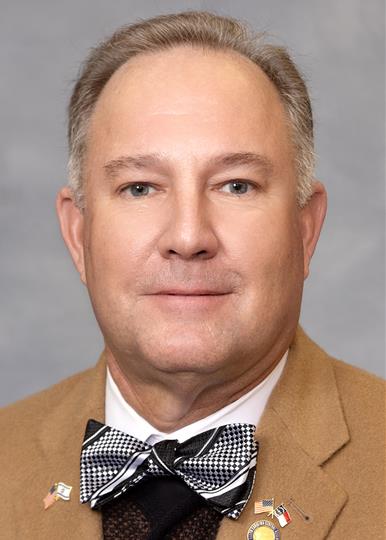
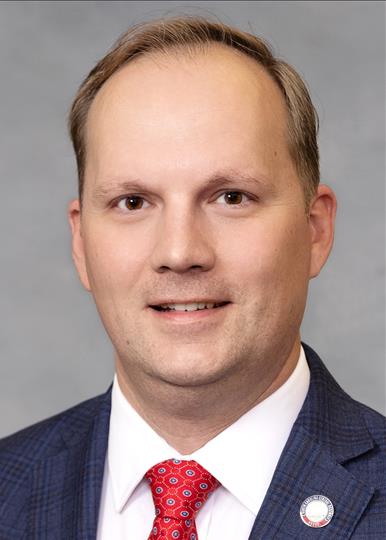
Jeff McNeely
89% support rate
Top opponent
Amber Baker
0% support rate
Ranked legislators
10
5 support · 5 oppose
Key legislators

Who's moving healthcare in North Carolina

Legislators moving healthcare in North Carolina
Legislator Party Stance Support rate Decisive votes
Jeff McNeely
Jeff McNeely House · District 84
R
Strong +
89% 9
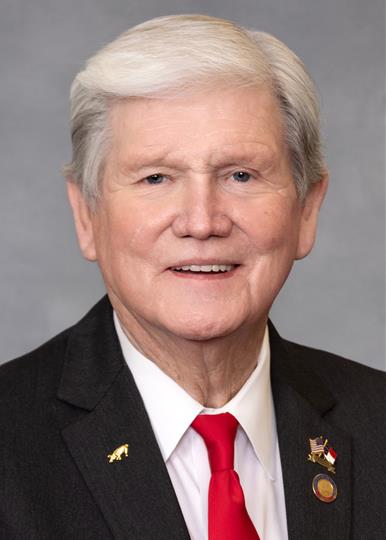
Jimmy Dixon
Jimmy Dixon House · District 4
R
Strong +
89% 9
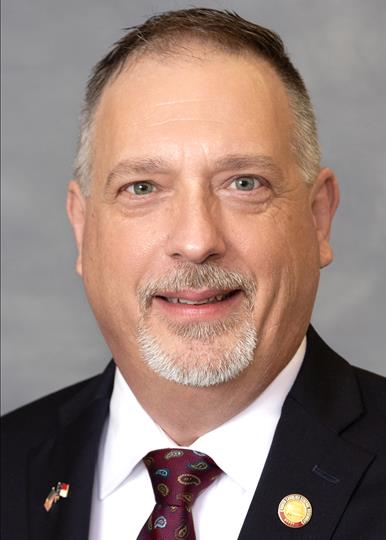
Kelly Hastings
Kelly Hastings House · District 110
R
Strong +
89% 9
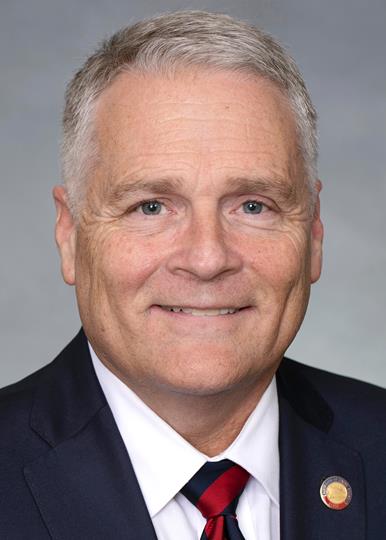
Ray Pickett
Ray Pickett House · District 93
R
Strong +
89% 9
Allen Chesser
Allen Chesser House · District 25
R
Strong +
88% 8
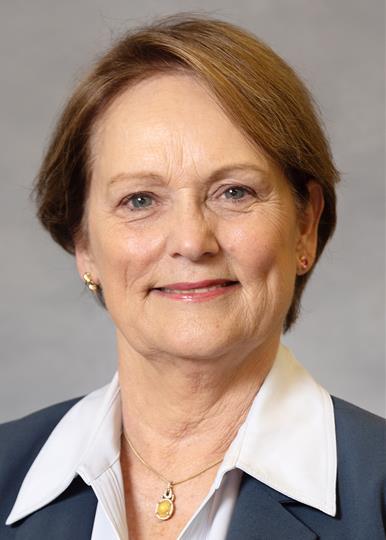
Amber Baker
Amber Baker House · District 72
D
Strong −
0% 6
Julia Greenfield
Julia Greenfield House · District 100
D
Strong −
20% 10
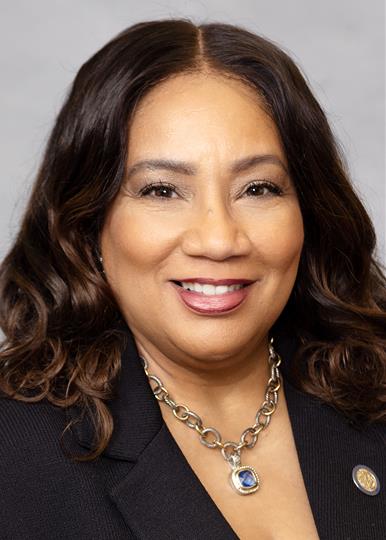
Maria Cervania
Maria Cervania House · District 41
D
Strong −
20% 10
Mary Belk
Mary Belk House · District 88
D
Strong −
20% 10
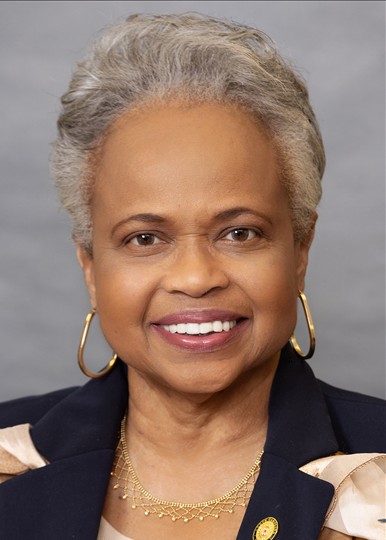
Gladys Robinson
Gladys Robinson Senate · District 28
D
Strong −
20% 5
Showing 171–180 of 342 bills

All healthcare bills

in committee · North Carolina · House Apr 3, 2025

HB 702: Chiropractic Education Changes.

HB 702 updates North Carolina's chiropractic licensing rules. It requires chiropractors to complete 4,200 hours of accredited education (including a bachelor's degree) and pass exams covering subjects like anatomy and chiropractic philosophy. The bill adds new standards for chiropractors to practice acupuncture and clarifies that licensed chiropractors cannot prescribe drugs or perform surgery. It also revises Board membership rules (e.g., limiting members from the same chiropractic school) and establishes supervised training programs for students. These changes affect current and future chiropractors, chiropractic schools, and the State Board of Chiropractic Examiners.
in committee · North Carolina · House Apr 7, 2025

HB 759: Family and Community Wellness Act/Funds.

HB 759 allocates $100,000 in nonrecurring state funds to Forsyth County for two specific programs. It will fund two mobile health and support units serving residents across seven counties (Forsyth, Davidson, Davie, Guilford, Randolph, Stokes, and Yadkin), providing essential health, social services, and nutrition. Additionally, it establishes a work-based learning program for adult parents to improve community engagement and economic mobility. The funding is effective July 1, 2025, and directly supports county-level initiatives rather than creating new statewide policies.
in committee · North Carolina · House Apr 3, 2025

HB 725: MOMnibus 3.0.

HB 725, the "MOMnibus 3.0," establishes a state grant program to address preventable maternal health disparities affecting Black birthing people in North Carolina. The bill directs the Department of Health and Human Services to award competitive grants ($10,000-$50,000 per recipient) to community-based organizations focused on improving maternal health outcomes for Black women. Key provisions require grantees to address social barriers (like housing, transportation, and nutrition), provide culturally respectful care training for health workers, and offer services including mental health support, doula care, and evidence-based education. The program specifically prioritizes Black-led organizations serving communities with high maternal health disparities, aiming to reduce preventable deaths and complications through targeted community support.
Sub-Topics Women's Health
in committee · North Carolina · House Mar 27, 2025

HB 525: Reorganize and Fund Rare Disease Advisory Council.

HB 525 reorganizes North Carolina's Advisory Council on Rare Diseases by moving it from the University of North Carolina at Chapel Hill School of Medicine to the Department of Health and Human Services (DHHS) and appropriates funds to cover its operating costs. The council, composed of 19 diverse members including patients, caregivers, medical professionals, researchers, and industry representatives, directly serves the rare disease community by advising state leaders on research, treatment, and policy. Key provisions include requiring the council to coordinate statewide efforts on rare disease awareness, incidence tracking, and policy initiatives, and to submit annual reports to the Governor, DHHS, and legislative committees. This bill formalizes DHHS oversight of the council and ensures dedicated funding for its operations, streamlining coordination with state health programs.
in committee · North Carolina · Senate Mar 26, 2025

SB 550: Coaches Care Act.

SB 550, the Coaches Care Act, requires all middle and high school coaches and athletic directors in North Carolina to complete approved youth mental health first aid training by July 1, 2026. The training teaches coaches to recognize mental health challenges, assist youth experiencing them, and connect them to professional resources. Schools must maintain records of coach certification, and local governments must deny public facility access to youth sports organizations whose coaches lack this certification. The State Board of Education will approve specific training programs, initially including the National Council for Mental Wellbeing's courses, and publish them annually. This law directly affects all public school coaches and youth sports organizations using county or city facilities.
in committee · North Carolina · House Apr 7, 2025

HB 757: Joyful Soul Treasures/Funds.

HB 757 appropriates $31,000 from North Carolina's General Fund to Joyful Soul Treasures, Inc., a nonprofit organization, for its "Safe Haven for Safe Sex" project. The grant specifically supports sexual health education and awareness programs targeting adolescents aged 13-18, focusing on providing essential knowledge and reducing stigma. This funding directly enables the nonprofit to implement this youth-focused initiative. The bill becomes effective July 1, 2025.
Sub-Topics State Budget
passed · North Carolina · House Jun 24, 2025

HB 578: The Jason Flatt Act of North Carolina.

HB 578, the Jason Flatt Act, requires all North Carolina public K-12 schools to implement suicide prevention education and training for school staff. It mandates that licensed educators complete at least one hour of annual suicide prevention training, while staff working with grades 6-12 must receive guidelines for identifying at-risk students and procedures for referrals. Schools must adopt a mental health plan including these elements, with initial staff training of six hours (within six months of hire) and two hours annually thereafter. The law applies to all public schools, charter schools, regional schools, and lab schools starting the 2025-2026 school year.
passed both · North Carolina · House May 12, 2026

HB 727: Limit Medicaid Reimb. for Facility Fees.

HB 727 modifies the licensure process for marriage and family therapists and therapy associates in North Carolina. It streamlines the process for professionals licensed in other states to obtain a North Carolina license through reciprocity, making it mandatory for qualified applicants. The bill adjusts experience requirements and expands acceptable examination options to include California's clinical examination. Additionally, it clarifies that all applicants, including those applying via reciprocity, must undergo criminal history record checks. These changes aim to facilitate licensing for out-of-state therapists while maintaining regulatory oversight.
died · North Carolina · Senate Mar 24, 2025

SB 337: Reallocate Civil War and Reconst. Hist Ctr Fnds.

SB 337 redirects unspent funds originally designated for the North Carolina Civil War & Reconstruction History Center to support community services in Cumberland County. Specifically, it reallocates 40% to Fayetteville for mental health programs and pedestrian safety, 30% to Hope Mills for a community center, and 30% to Cumberland County for water infrastructure, youth mental health services, and emergency response equipment. The bill requires the state to return unused funds from prior appropriations to the Office of State Budget and Management for this reallocation, effective July 1, 2025. This changes the original purpose of the funds from a history center project to immediate local infrastructure and health needs.
passed · North Carolina · House Apr 9, 2025

HB 160: Joel H. Crisp Sudden Unexpected Death in Epilepsy (SUDEP) Awareness Law.

HB 160 requires North Carolina's University of North Carolina School of Medicine Area Health Education Centers (NC AHEC) to create and share evidence-based information about sudden unexpected death in epilepsy (SUDEP) with all healthcare practitioners in the state. This includes current risk factors, conditions, and contact details for epilepsy support organizations, available on NC AHEC's website. Healthcare providers treating epilepsy patients will directly receive this standardized resource, which must be compiled by consulting medical boards and professional societies. NC AHEC must report the completed resource to the legislature by September 1, 2025.
Showing 171 to 180 of 342 bills
Previous 1 … 17 18 19 … 35 Next