




Issue · Healthcare

Healthcare

Every healthcare bill, vote, and legislator stance in North Carolina, automatically classified by Maddy, our AI policy reader.

Total bills
2
2025-2026 Session
Top supporter
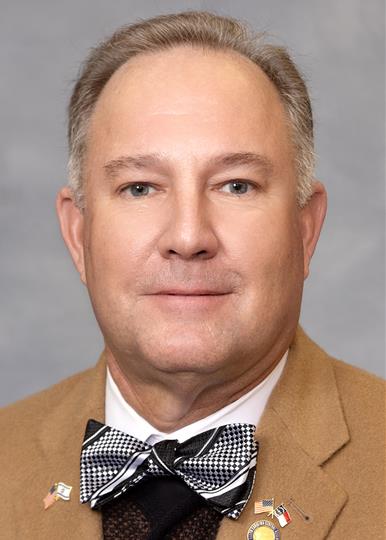
Jeff McNeely
89% support rate
Top opponent
Amber Baker
0% support rate
Ranked legislators
10
5 support · 5 oppose
Key legislators

Who's moving healthcare in North Carolina

Legislators moving healthcare in North Carolina
Legislator Party Stance Support rate Decisive votes
Jeff McNeely
Jeff McNeely House · District 84
R
Strong +
89% 9
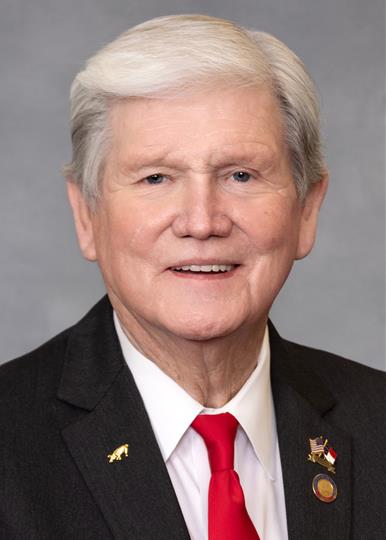
Jimmy Dixon
Jimmy Dixon House · District 4
R
Strong +
89% 9
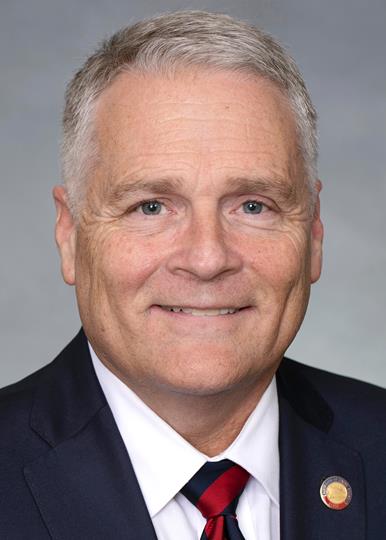
Kelly Hastings
Kelly Hastings House · District 110
R
Strong +
89% 9
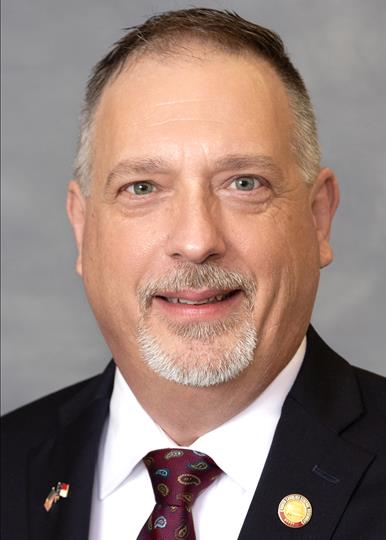
Ray Pickett
Ray Pickett House · District 93
R
Strong +
89% 9
Allen Chesser
Allen Chesser House · District 25
R
Strong +
88% 8
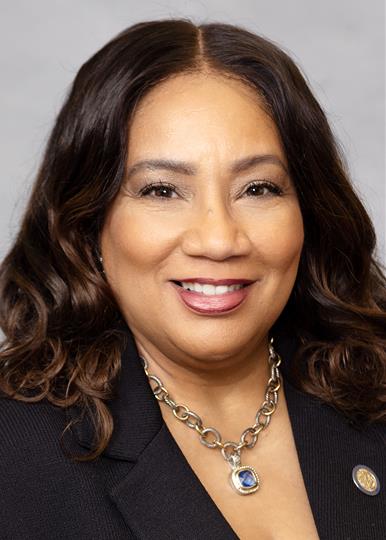
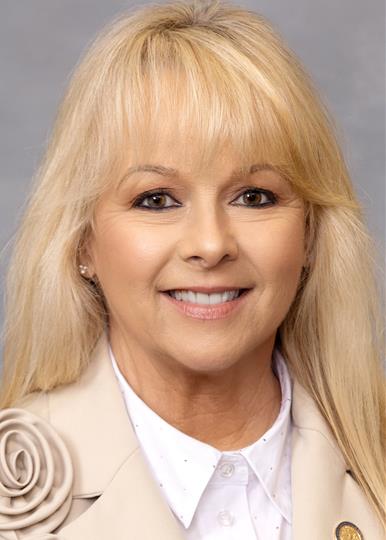
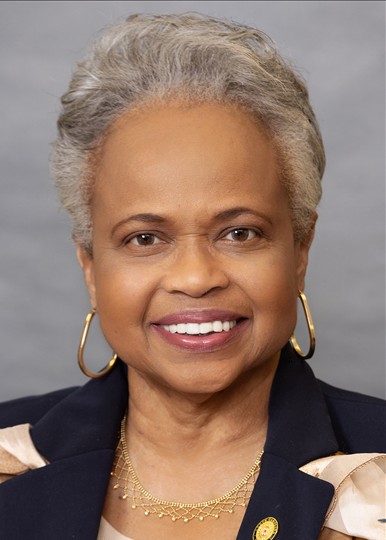
Amber Baker
Amber Baker House · District 72
D
Strong −
0% 6
Julia Greenfield
Julia Greenfield House · District 100
D
Strong −
20% 10
Maria Cervania
Maria Cervania House · District 41
D
Strong −
20% 10
Mary Belk
Mary Belk House · District 88
D
Strong −
20% 10
Gladys Robinson
Gladys Robinson Senate · District 28
D
Strong −
20% 5
Showing 2 of 2 bills

All healthcare bills

failed · North Carolina · House Aug 6, 2026

HB 832: Education Omnibus.

HB 832 revises North Carolina's school safety grant program to expand eligible uses of funds for training aimed at improving student well-being and safety. It allows public school units to fund evidence-based programs including suicide prevention training (CALM), trauma-focused therapies (like cognitive behavioral therapy), violence prevention, and peer mentoring facilitation. The bill specifically permits up to $350,000 in annual funding for these expanded services, directly affecting school staff, counselors, and students in North Carolina public schools. This change modifies existing grant rules without creating new funding or altering overall program structure.
signed · North Carolina · House Apr 30, 2026

HB 696: Medicaid and HHS Adjust./Other Critical Needs.

HB 696, the Health Care Practitioner Transparency Act, requires health care providers in North Carolina to clearly state their license type, certification, or registration in all advertisements and public representations. It prohibits deceptive claims about qualifications and bans unlicensed individuals from using medical titles like "doctor," "surgeon," or specialty terms (e.g., "cardiologist") to mislead patients. The law applies to licensed professionals (doctors, nurses, dentists, etc.) who advertise services, but exempts those in non-patient settings without direct care interactions. Violations could lead to disciplinary action by their licensing board, with daily noncompliance treated as separate offenses. The bill takes effect October 1, 2025.