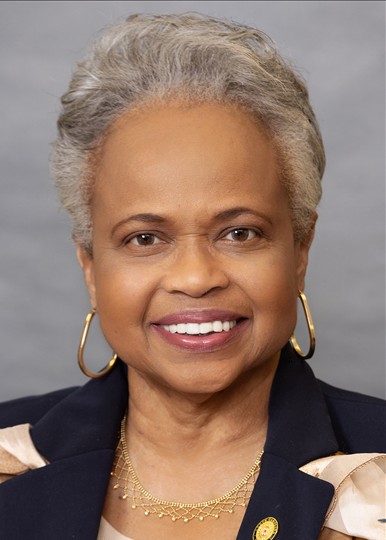
SB 445 automatically adopts federal temporary waivers or modifications issued by the U.S. Department of Health and Human Services or Centers for Medicare & Medicaid Services under specific Social Security Act sections (1135 or 1812(f)) for North Carolina hospitals during declared emergencies. This means hospitals in disaster zones no longer need separate state approval to implement federal rule changes, directly affecting hospitals operating under such declarations. Key provisions include automatically waiving state hospital regulations to align with federal waivers and allowing temporary increases in bed capacity without additional state review. The bill streamlines emergency hospital operations by eliminating bureaucratic delays in applying federally authorized relief measures.
HB 562, the Healthcare Investment Act, updates qualification standards for mental health, developmental disabilities, and substance abuse professionals in North Carolina. It allows individuals with an associate degree in human services to qualify as Associate Professionals (with less than two years of experience) or Qualified Professionals (with two years of supervised experience). The bill also creates a new pathway for Qualified Substance Abuse Prevention Professionals (QSAPPs) to qualify with an associate degree and two years of supervised experience in addiction prevention - before completing a bachelor's degree. These changes will expand the pool of eligible professionals for state-funded services under the Commission for Mental Health, Developmental Disabilities, and Substance Abuse Services.
SB 177 expands North Carolina's Medicaid Healthcare Access and Stabilization Program (HASP) to include qualifying freestanding psychiatric hospitals, allowing them to receive increased reimbursements for services. The bill creates a new assessment (a fee) on these hospitals, calculated as a percentage of their hospital costs, to fund the program. To implement this, the state must seek federal approval from CMS to include psychiatric hospitals in HASP. This change directly affects all Medicare-certified, state-licensed freestanding psychiatric hospitals in North Carolina, requiring them to pay the new assessment while gaining eligibility for enhanced Medicaid payments.
This bill requires the North Carolina Department of Health and Human Services, the Department of Information Technology, and the Administrative Office of the Courts to study the state's involuntary commitment process. The agencies must identify gaps in the current system and submit a report with recommendations by February 1, 2027. Key areas for improvement include ensuring judges receive timely clinical data, training legal officials on community-based treatment options, and updating electronic forms to capture consistent data. The legislation also aims to increase data sharing between health and court systems to support more effective legal and clinical outcomes.
This bill creates a voluntary program allowing businesses in North Carolina to contribute to portable benefit accounts for their independent contractors. The plan enables hiring parties to fund benefits such as health insurance, retirement, and disability through a third-party administrator, which helps contractors maintain coverage when moving between jobs. To encourage participation, the legislation allows businesses to deduct contributions as business expenses and permits contractors to exclude those amounts from their taxable income. Additionally, the bill includes a $100,000 appropriation to fund public education about the program, which will take effect on July 1, 2026.
HB 491 prepares North Carolina's Medicaid program to implement work requirements if authorized by the federal Centers for Medicare and Medicaid Services (CMS). It requires the state's Division of Health Benefits to negotiate with CMS, notify oversight committees within 30 days of starting talks, and submit detailed reports after CMS approves any work requirements plan. The bill does not enact work requirements itself but establishes procedures for future implementation, including timelines for reporting funding needs. This would directly affect current Medicaid recipients if CMS approves work requirements, though the bill is procedural and conditional on federal approval. The legislation is currently in committee review and has not yet become law.
House Bill 618, the "Ivermectin Access Act," directs the State Health Director to issue a statewide standing order that allows licensed pharmacists to dispense ivermectin for human use. Under this order, pharmacists would be authorized to provide ivermectin without requiring a written prescription or consultation from a healthcare professional. The bill also grants immunity from civil or criminal liability to the State Health Director for issuing the order and to any pharmacist who dispenses ivermectin in accordance with it. The State Health Director is required to issue this statewide standing order by October 1, 2025.