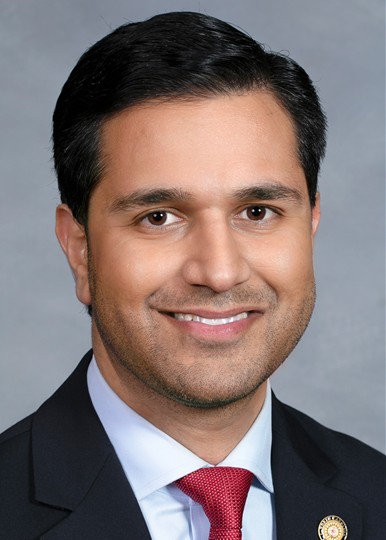
Key legislators
Who's moving environment in North Carolina
Showing 3 of 3
bills
All environment bills
HB 569 requires PFAS manufacturers (those who produce PFAS compounds like GenX) to pay public water systems for cleaning up PFAS contamination in drinking water when levels exceed EPA safety limits. It allows the Environmental Quality Secretary to order polluters to cover actual cleanup costs, including technology to reduce PFAS levels, and applies retroactively to expenses since 2017. The bill appropriates $300,000 for implementation and mandates annual reports on fund use, with water systems refunding ratepayers when manufacturers cover costs. This directly affects water systems burdened by PFAS cleanup, PFAS manufacturers deemed responsible, and ratepayers who may see reduced future water rates.
HB 570, the "Responsible Firefighting Foam Management Act," restricts the use of firefighting foams containing PFAS chemicals for training and testing. It prohibits any person, local government, or state agency from discharging Class B firefighting foam with intentionally added PFAS for training or practice purposes. For testing, these foams are also prohibited unless required by law or an authority, and the testing facility has implemented measures to prevent environmental releases. The bill mandates the use of non-fluorinated alternatives for training and is set to become effective on December 1, 2025.
House Bill 592, known as the Toxic-Free Medical Devices Act of 2025, aims to prohibit the use of a chemical called DEHP in certain medical devices within North Carolina. Specifically, it bans the manufacturing, selling, and distributing of intravenous solution containers and intravenous tubing that are intentionally made with DEHP. The prohibition for IV solution containers takes effect on January 1, 2030, and for IV tubing on January 1, 2035. The bill also prevents replacing DEHP with other similar chemicals in these devices and sets limits for unintentionally present DEHP, while exempting certain blood-related products. Violations of these provisions could lead to administrative penalties.