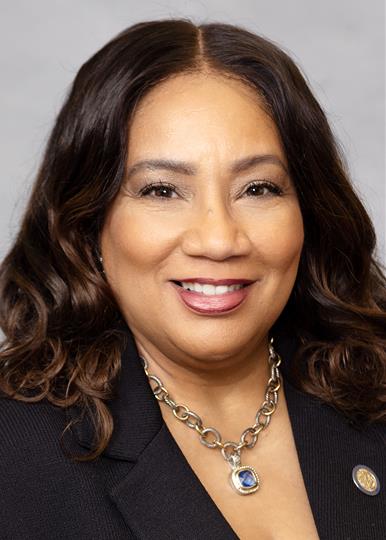
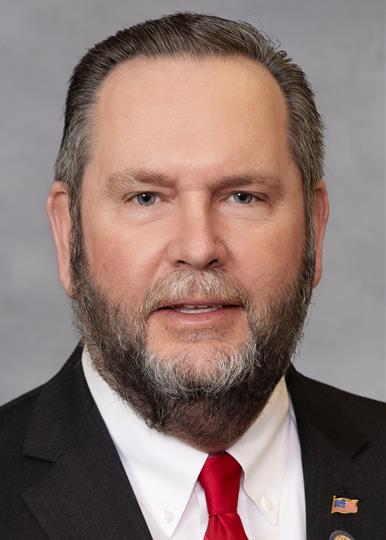
Key legislators
Who's moving libraries in North Carolina
Showing 4 of 4
bills
All education bills
HB 1053 directs the North Carolina General Assembly to allocate additional state funds to the Department of Public Instruction for classroom supplies and equipment. Starting in the 2026-2027 school year, the bill provides $28.6 million, with further increases of $15.1 million and $22.6 million planned for the 2027-2028 and 2028-2029 fiscal years respectively. These recurring funds are intended to increase the specific allotment given to schools for instructional materials and equipment. The legislation becomes effective on July 1, 2026.
This bill establishes the Free to Learn Library Bill of Rights Act in North Carolina to protect residents' rights to access information, maintain privacy, and participate in library services without discrimination or undue restriction. It applies to all public libraries, including their online services and digital resources, and outlines specific rights such as unrestricted access to materials regardless of viewpoint, protection from surveillance and intimidation, confidentiality of library records, and fair access for all patrons regardless of personal characteristics. The legislation also includes anti-retaliation protections for library employees and volunteers who report violations, requires regional library systems to document compliance, and mandates strict data privacy practices for online usage tracking. Additionally, the bill appropriates funds to support implementation and directs the State Library to provide model language for interlocal agreements to ensure consistent compliance across the state.
This bill appropriates $1.5 million annually from 2025-2027 to fund Dolly Parton's Imagination Library in North Carolina. It directs funds to the North Carolina Partnership for Children, Inc. to mail age-appropriate books monthly to registered children through the early literacy program. The bill provides recurring state funding for an existing program that delivers books directly to children's homes.
SB 511 requires all North Carolina public schools (K-12) to teach informational literacy, defined as skills to find, evaluate, and use information effectively - including digital, media, and technological literacy. The bill mandates the State Board of Education to create age-appropriate standards covering research processes, source evaluation (primary vs. secondary), fact vs. opinion, ethical information use, and access to library resources. Schools must develop curriculum in consultation with library/media staff and implement it starting in the 2025-2026 school year. This policy directly affects every public school student and educator in North Carolina through mandated curriculum changes.